Why ancient Near Eastern history remains a floating puzzle of contested dates
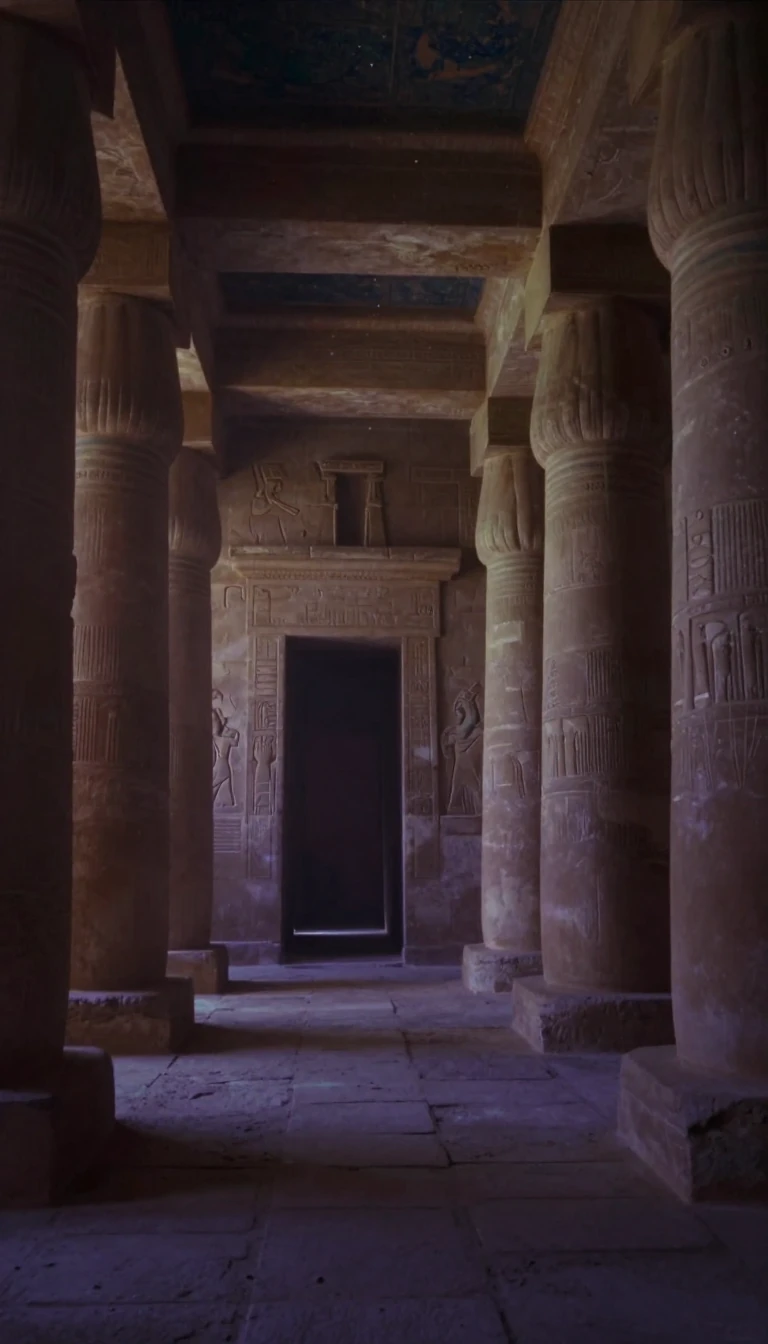
In short: Establishing a precise timeline for the ancient Near East is notoriously difficult. While thousands of cuneiform tablets exist, they are often damaged, biased, or looted. Scholars rely on astronomical phenomena and synchronisms to anchor these events, yet even the most common dating models remain subjects of intense, unresolved academic debate.
The chronology of the ancient Near East is a complex framework built from disparate records, such as king lists and official inscriptions. For the 3rd and 2nd millennia BC, this system is often described as a floating chronology because it lacks the absolute, fixed dates provided by modern dendrochronology or reliable radiocarbon sequences. While the Neo-Assyrian Empire after 900 BC offers a secure timeline—anchored by an eclipse on 15 June 763 BC—the earlier periods rely on interpretations of ancient astronomical observations that are frequently disputed.
A primary source of contention is the Venus tablet of Ammisaduqa, which records planetary movements. Because these observations follow an eight-year cycle, they allow for multiple, conflicting interpretations of when the First Babylonian Dynasty fell. Depending on the model used, the sack of Babylon is placed anywhere from 1651 BC in the Long Chronology to 1499 BC in the Ultra Low Chronology. The most widely cited middle ground, the Middle Chronology, places Hammurabi’s reign between 1792 and 1750 BC, but this is far from a settled consensus.
Beyond astronomical data, researchers face significant hurdles in interpreting the physical evidence. Many cuneiform tablets are fragmentary, unbaked, or intentionally defaced. Furthermore, historical documents like the Sumerian King List or the Assyrian King List were often redacted to serve political agendas, sometimes omitting rival powers or inflating a ruler's achievements. With thousands of tablets still untranslated or held in private collections, the history of the region remains a work in progress, where even the most fundamental dates are subject to revision as new evidence or better analytical models emerge.
Opens the Intellect+ feed with this card first. Swipe up for the next one.
Sources
- Summary by Intellect · source: Chronology of the ancient Near East
To cite this card, link to https://intellectplus.co.uk/app/places-chronology-of-the-ancient-near-east.
How we source, check and correct cards: Editorial standards.
General information, not professional advice. Spotted an error? Flag the card or see corrections and complaints.
Intellect Plus is a visual educational discovery platform for exploring fascinating facts and ideas. Brain Food, Not Brain Rot. What is Intellect Plus?
Related
More in Historical cities · More in Countries & Cities · Latest · A–Z · All topics
