The Chukchi Sea is a vibrant, nutrient-rich gateway between the Arctic and Pacific Oceans.
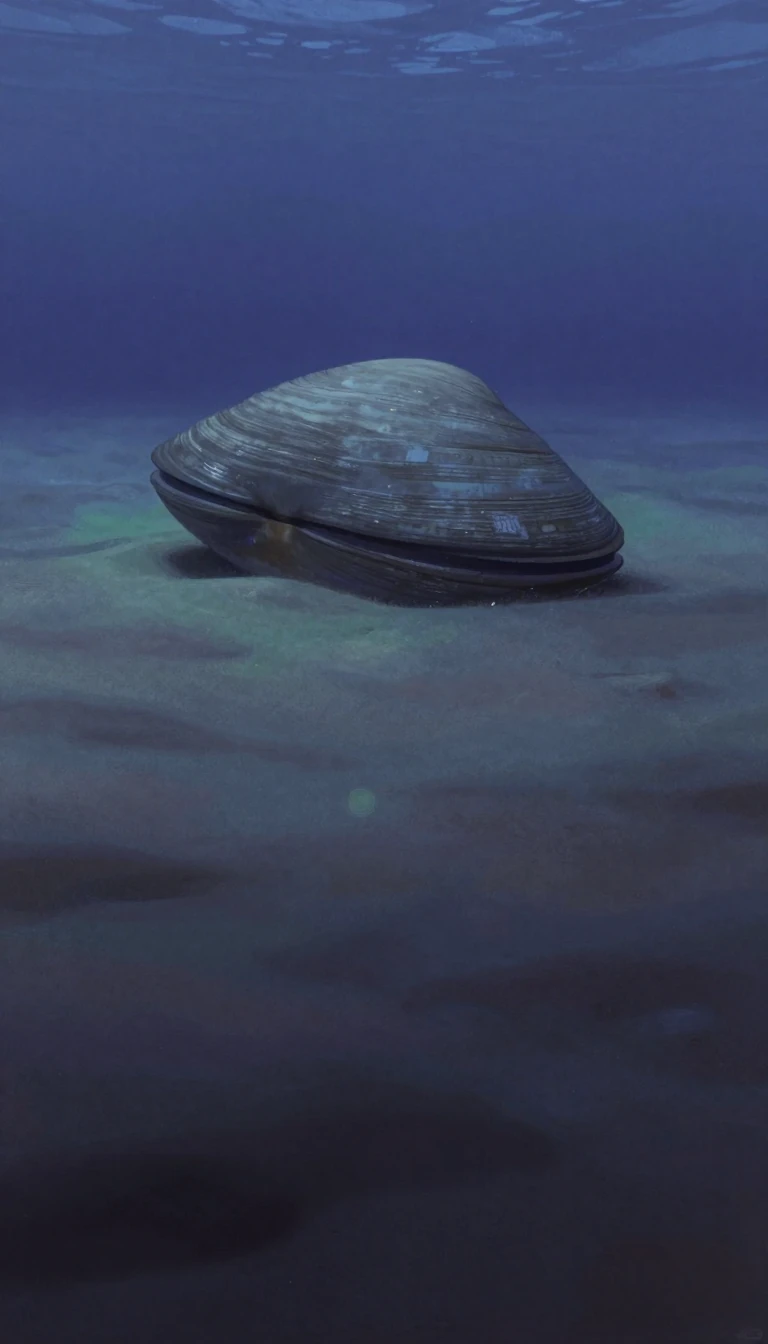
In short: Often defined by its harsh, ice-covered reputation, the Chukchi Sea is actually a biological powerhouse. Each spring, the arrival of nutrient-rich waters from the Bering Strait triggers massive phytoplankton blooms, turning the sea into a colorful, complex ecosystem that supports some of the world's largest marine mammal migrations.
The Chukchi Sea is a marginal sea of the Arctic Ocean, spanning approximately 225,000 square miles with an average depth of about 253 feet. It is bounded by Wrangel Island to the west, the Beaufort Sea to the east, and the continental landmasses of Siberia and Alaska to the south. Because of its remote location and persistent seasonal ice, it remains one of the least-understood basins in the global ocean.
The sea's biological productivity is driven by the Bering Strait, which acts as a conduit for two distinct water masses. 'Bering Sea Water' is cool, salty, and nutrient-dense, fueling spring blooms of diatoms—microscopic algae that provide the foundation for the local food web. In contrast, 'Alaskan Coastal Water' is warmer and nutrient-poor, often hosting coccolithophores, which can impart a milky turquoise hue to the water. These blooms are highly variable from year to year, making it difficult for researchers to link specific environmental shifts to changes in phytoplankton biomass without long-term, consistent sampling.
Beyond its role as a biological hub, the Chukchi Sea is a critical corridor for marine mammals, including bowhead whales, beluga whales, Pacific walrus, and bearded seals. Historically, the region has been a site of significant exploration and maritime struggle, characterized by its treacherous, ice-choked waters. While the sea is named for the Chukchi people who have traditionally inhabited its shores, its modern significance is increasingly tied to its potential role in global climate change. Scientists believe the Arctic's response to warming—particularly through changes in ice cover and oceanic circulation—could have profound effects on global albedo and climate stability.
Opens the Intellect+ feed with this card first. Swipe up for the next one.
Sources
- Summary by Intellect · source: Chukchi Sea | Wildlife, Climate Change & Pollution | Britannica
- Also: Churning in the Chukchi Sea - NASA Science
- Also: Chukchi Sea
To cite this card, link to https://intellectplus.co.uk/app/places-chukchi-sea.
How we source, check and correct cards: Editorial standards.
General information, not professional advice. Spotted an error? Flag the card or see corrections and complaints.
Intellect Plus is a visual educational discovery platform for exploring fascinating facts and ideas. Brain Food, Not Brain Rot. What is Intellect Plus?
Related
More in Bodies of water · More in Countries & Cities · Latest · A–Z · All topics
