How France’s premier football cup forces professional giants to play on amateur terms
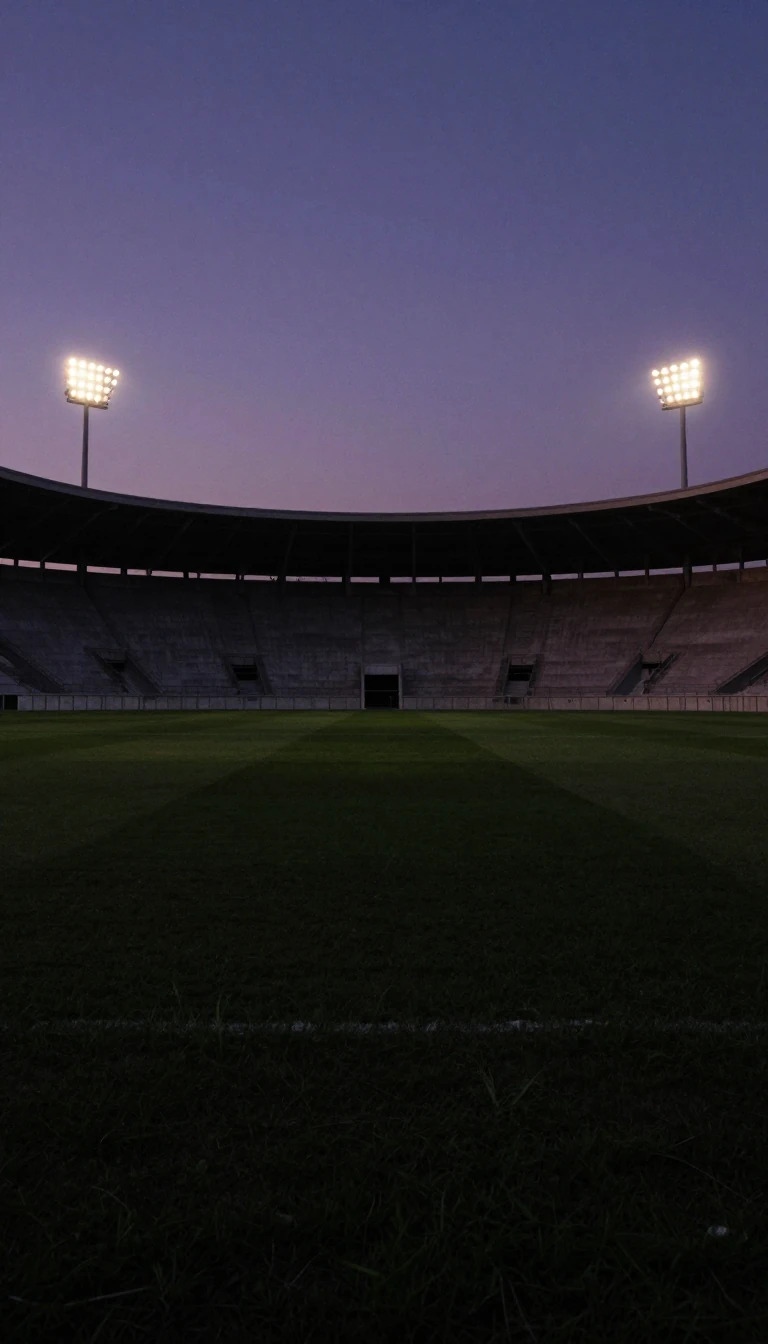
In short: The Coupe de France is a democratic anomaly in professional sports. By mandating that lower-league teams host matches against top-tier opponents, the competition frequently forces professional giants into unkempt, small-town stadiums. This structural bias creates a high-stakes environment where amateur underdogs regularly topple the elite in one-off, knockout battles.
Established in 1917 by the French Interfederal Committee, the Coupe de France was designed to be open to every club in the nation, regardless of professional status. While the major clubs initially resisted this inclusivity, the federation held firm. Today, the tournament has ballooned from its original 48 entrants to over 7,000 clubs, creating a massive, multi-round logistical operation that spans mainland France and overseas territories.
The competition's most distinctive feature is its systemic advantage for the underdog. Rules dictate that if a club is drawn against an opponent competing at least two levels below them, the lower-ranked team automatically earns hosting duties. This often forces professional clubs to travel to modest, amateur-run facilities. While professional sides have historically complained about the quality of these venues, the rule remains a cornerstone of the tournament's identity, designed to level the playing field in a competition defined by its unpredictability.
The format has evolved significantly over the decades to manage the sheer volume of participants. Following a bizarre 1967 incident where a coin toss decided a winner after three consecutive draws, the federation introduced extra time and eventually penalty shootouts. Today, the tournament spans 14 rounds, with professional clubs entering at the seventh round or later. Despite the structural advantages for amateurs, the competition remains a prestigious gauntlet; Paris Saint-Germain currently holds the record for the most titles, having secured sixteen victories as of 2025.
Beyond the glory of the trophy, the Coupe de France serves as a vital gateway to European competition, with the winner qualifying for the UEFA Europa League. The final itself is a national event, traditionally attended by the President of France since 1927. Whether through the historic exploits of amateur sides like Calais RUFC or the sustained dominance of modern powerhouses, the cup remains a unique intersection of local grassroots passion and elite professional ambition.
Opens the Intellect+ feed with this card first. Swipe up for the next one.
Sources
- Summary by Intellect · source: Coupe de France
- Also: Wikidata — Coupe de France · CC0
- Also: Wikidata — Coupe de France · CC0
To cite this card, link to https://intellectplus.co.uk/app/places-coupe-de-france.
How we source, check and correct cards: Editorial standards.
General information, not professional advice. Spotted an error? Flag the card or see corrections and complaints.
Intellect Plus is a visual educational discovery platform for exploring fascinating facts and ideas. Brain Food, Not Brain Rot. What is Intellect Plus?
Related
More in Cities · More in Countries & Cities · Latest · A–Z · All topics
