The landscape is not just a backdrop, but a living record of human identity
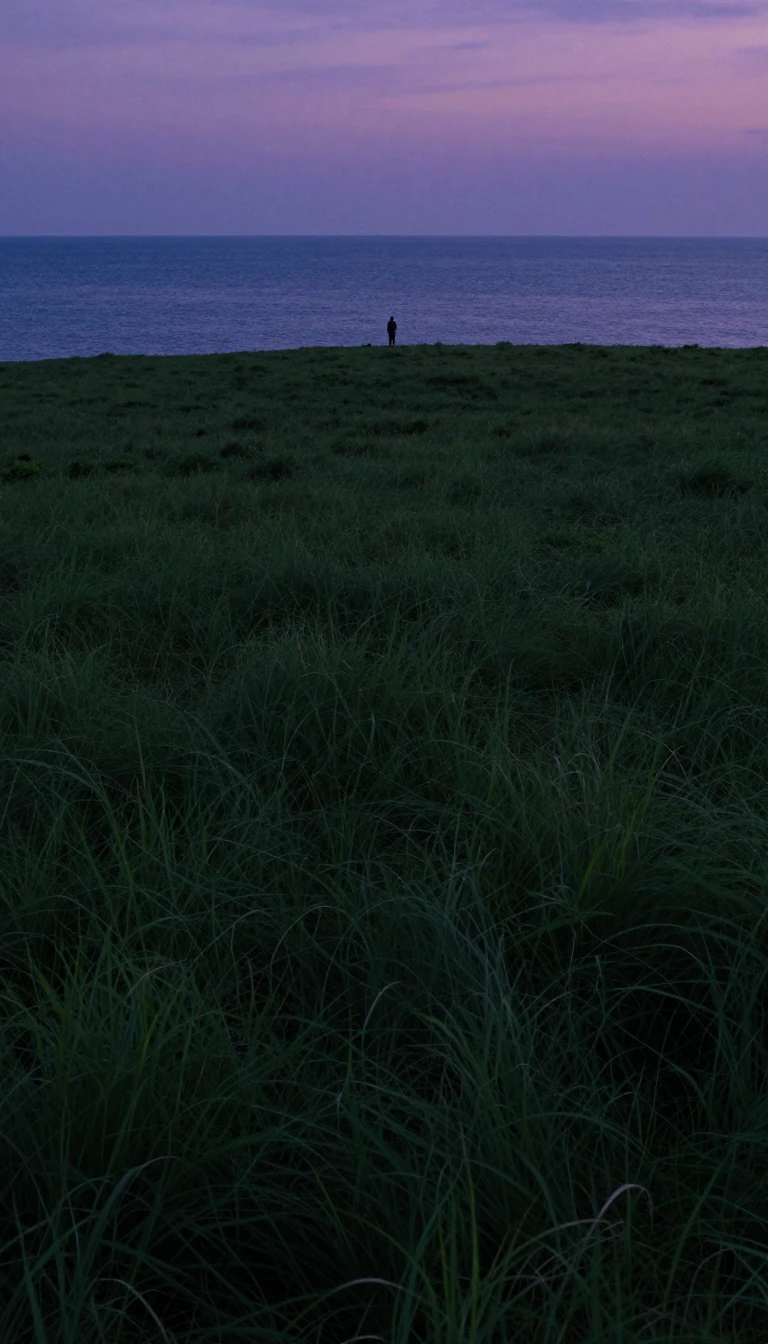
In short: We often view the world as a fixed stage, but cultural geography reveals that landscapes are actively shaped by us. From the way we name streets to the way we build cities, every feature of our environment reflects a complex, ongoing negotiation between human culture and the physical world.
At its core, cultural geography examines the intricate relationship between culture and place. While ancient geographers like Ptolemy and Strabo laid the groundwork for studying different nations, the discipline emerged as a formal academic study in the early 20th century. It arose specifically to challenge 'environmental determinism'—the flawed theory that human societies are strictly controlled by their natural environments. Instead, pioneers like Carl O. Sauer, often called the 'father of cultural geography,' proposed that humans and nature exist in a reciprocal loop, where societies develop from their landscapes and, in turn, transform them through agriculture, engineering, and architecture to create 'cultural landscapes.'
The field has undergone significant transformations. In the late 19th century, influenced by Friedrich Ratzel’s anthropogeography, the focus was on comparing cultures and their natural surroundings. By the early 20th century, the Berkeley School, led by Sauer, dominated the field with a focus on how people adapted to and shaped their environments. However, the 1980s brought a 'new cultural geography.' This era integrated social theories like post-structuralism and feminism, shifting the view of culture from a mere reflection of society to a fluid, dynamic process that actively constructs it. Landscapes were no longer seen as simple material artifacts but as layers of symbolic meaning requiring decoding.
Today, the discipline is more vibrant than ever, intersecting with economics, politics, and even ecology. Modern researchers explore 'toponymic activism'—the political use of renaming public places—and 'affective atmospheres,' which study the emotional tones generated by sensory stimuli in a space. The field now tackles global challenges, investigating how power, identity, and even non-human agencies shape our sense of belonging and the future of our urban environments.
Opens the Intellect+ feed with this card first. Swipe up for the next one.
Sources
- Summary by Intellect · source: Research Guides: Human Geography: Cultural geography
- Also: Cultural Geography | Human Geography | Social sciences | Topics | Nature Index
- Also: Cultural geography | geography | Britannica
- Also: Cultural geography
To cite this card, link to https://intellectplus.co.uk/app/places-cultural-geography.
How we source, check and correct cards: Editorial standards.
General information, not professional advice. Spotted an error? Flag the card or see corrections and complaints.
Intellect Plus is a visual educational discovery platform for exploring fascinating facts and ideas. Brain Food, Not Brain Rot. What is Intellect Plus?
Related
More in Basics · More in Countries & Cities · Latest · A–Z · All topics
