How human history and geography dictate the shape of our cultivated landscapes
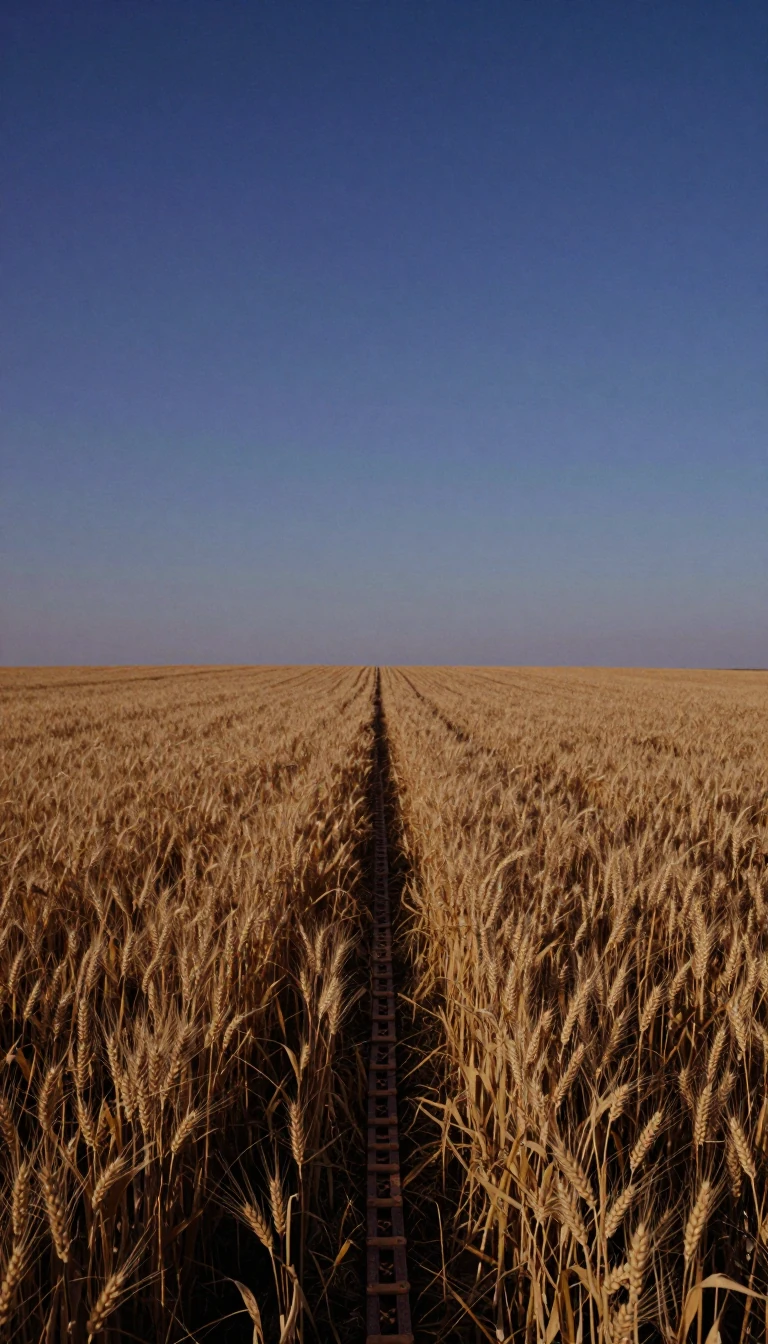
In short: Agricultural geography examines the spatial relationship between humans and the land they cultivate. It is not just about farming; it is the study of how cultural, social, and environmental forces transform the Earth's surface. From colonial expansion to modern conflict, human activity leaves an indelible mark on our global landscape.
At its core, agricultural geography is a branch of economic geography that investigates how human primary sector activities reshape the Earth's surface. Researchers analyze the structures of agricultural landscapes to understand the complex processes—cultural, social, economic, political, and environmental—that create specific spatial patterns. This field often bifurcates into nomothetic research, which focuses on the distribution of patterns and processes, and idiographic research, which emphasizes the nuanced interaction between humans and their environment.
The way humans interact with their surroundings has evolved over centuries. For example, English settlers in America fundamentally altered the landscape by clearing wooded areas to create pastures, a practice they refined by learning cultivation techniques from Indigenous populations. These transformations are rarely permanent or benign; they are subject to the volatility of human history. In Bosnia-Herzegovina, the war from 1992 to 1995 left approximately 1 million unrecovered land mines across vast stretches of farming land. This legacy of conflict forced residents to abandon productive fields, permanently shifting the local agricultural geography and necessitating new strategies for food production.
Environmental factors also play a critical role in shaping these landscapes, often in ways that reflect human settlement patterns. A study in Uganda compared four distinct environments—ranging from undisturbed rainforests to urban areas—to analyze soil and water quality. The findings revealed that urban living areas exhibited significantly higher levels of nitrogen, calcium, and pH. Such data highlights how human presence, even beyond direct cultivation, alters the chemical composition of the soil. By studying these interactions, agricultural geographers provide essential insights into how our past decisions and current environmental pressures dictate the future of the land we rely on for survival.
Opens the Intellect+ feed with this card first. Swipe up for the next one.
Sources
- Summary by Intellect · source: Agricultural geography
To cite this card, link to https://intellectplus.co.uk/app/gardening-agricultural-geography.
How we source, check and correct cards: Editorial standards.
General information, not professional advice. Spotted an error? Flag the card or see corrections and complaints.
Intellect Plus is a visual educational discovery platform for exploring fascinating facts and ideas. Brain Food, Not Brain Rot. What is Intellect Plus?
Related
More in Agriculture · More in Gardening · Latest · A–Z · All topics
