How a California farming town became a global hub for science and toad safety
In short: Davis, California, is more than a college town. Born from ranchos and railroad depots, this flat landscape evolved into a center for agricultural innovation and progressive urban planning. From pioneering energy-efficient building codes to constructing dedicated wildlife crossings, Davis balances its academic identity with a unique, quirky commitment to sustainability.
The history of Davis is deeply tied to the land and the University of California. Originally inhabited by Indigenous peoples of the Clovis culture and later the Patwin, the area was transformed in the 1830s during the California genocide. By 1868, it served as a railroad depot named Davisville, eventually incorporating as Davis in 1917. Its trajectory shifted significantly in 1905 when the California State Legislature passed the University Farm Bill, leading Governor George Pardee to select the site for the University of California's agricultural farm. This institution grew into the University of California, Davis, a major academic force that today enrolls over 40,000 students.
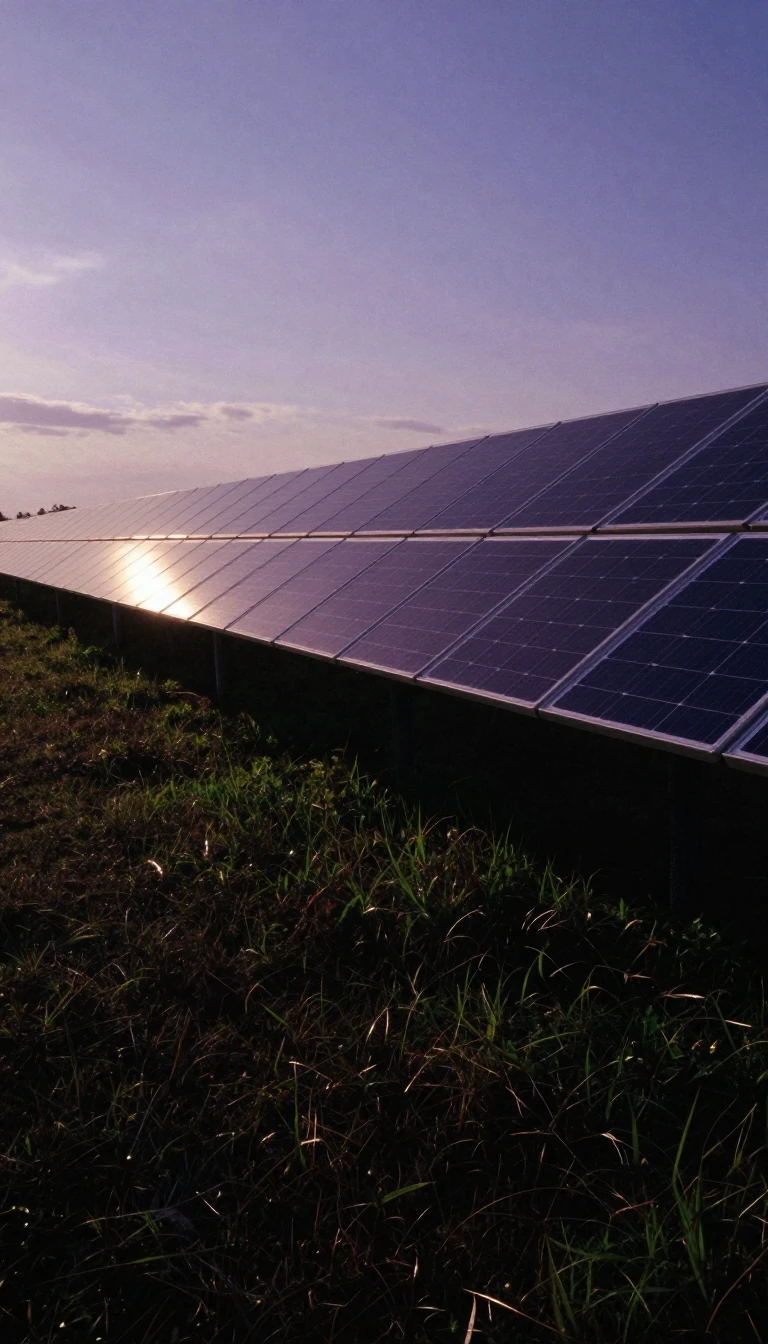
Davis is defined by its flat topography, which has cemented its reputation as a haven for bicyclists. This geography also influences its climate, characterized by hot summers and cool, wet winters, often accompanied by dense tule fog. The city has leveraged its environment to experiment with progressive policies. Following the 1973 energy crisis, Davis implemented strict building codes to improve efficiency, earning a $100,000 prize from PG&E in 1981 for reducing summer peak electricity usage. Later initiatives included becoming a nuclear-free zone in 1984, passing a 'Dark Skies' ordinance in 1998, and joining the Cool Roof Initiative in 2013 to combat heat absorption.
Perhaps the city's most famous example of civic intervention is the 'Toad Tunnel.' Constructed in 1995 for $14,000—equivalent to $30,000 in 2025—this wildlife crossing was built to protect toads migrating between a reservoir and their habitat across a busy road. The project gained national attention, including a feature on The Daily Show. Today, the city remains a blend of academic rigor and local eccentricity, with a population of 66,850 as of 2020, living in a community that continues to prioritize environmental and social planning alongside its agricultural roots.
Opens the Intellect+ feed with this card first. Swipe up for the next one.
Sources
- Summary by Intellect · source: Davis, California
- Also: Wikidata — Davis, California, University of California, Davis, UCD BS2551 A4 no. 2642 · CC0
- Also: Wikidata — Davis · CC0
To cite this card, link to https://intellectplus.co.uk/app/places-davis-california.
How we source, check and correct cards: Editorial standards.
General information, not professional advice. Spotted an error? Flag the card or see corrections and complaints.
Intellect Plus is a visual educational discovery platform for exploring fascinating facts and ideas. Brain Food, Not Brain Rot. What is Intellect Plus?
Related
More in Regions and country subdivisions · More in Countries & Cities · Latest · A–Z · All topics
