The Detroit River is a vital international artery with a history of smuggling and restoration
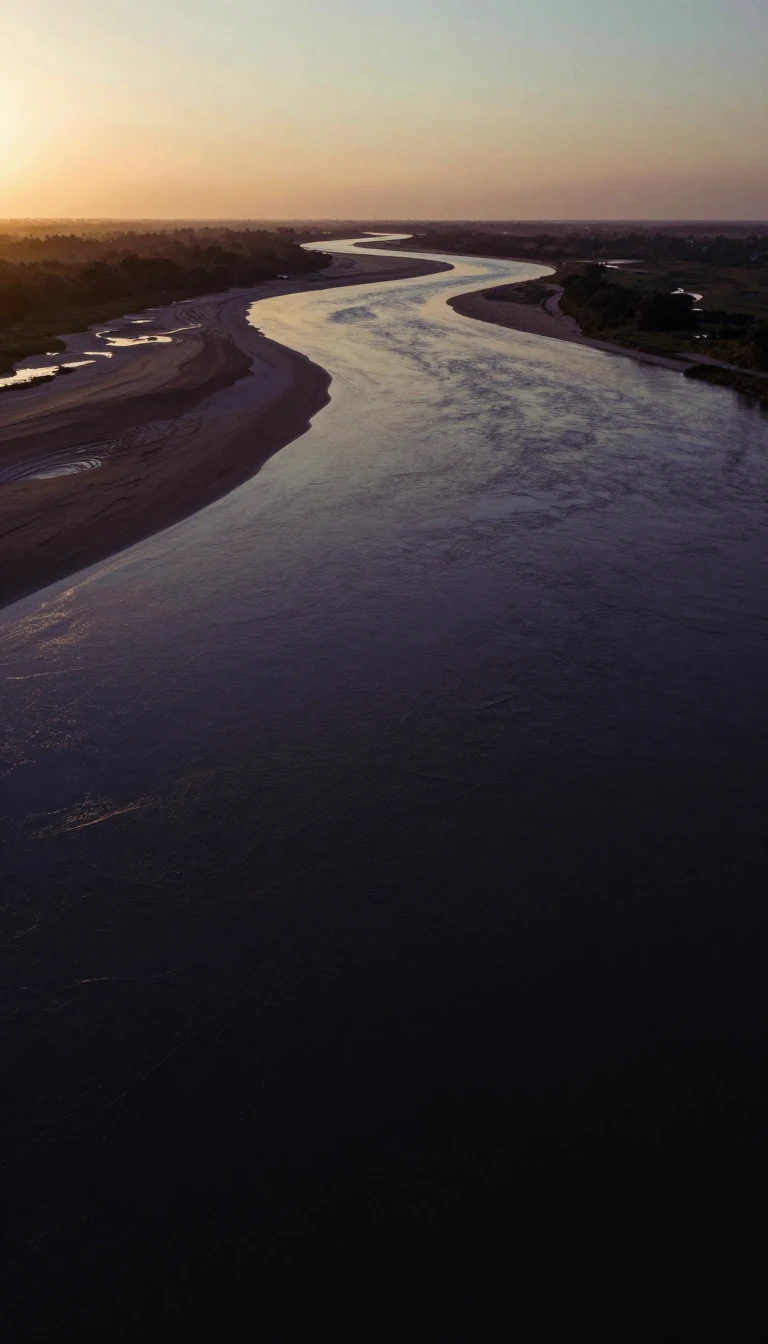
In short: Flowing between Michigan and Ontario, the Detroit River is more than a border. Once a toxic industrial dumping ground, this 28-mile waterway is now a protected international wildlife refuge. From 18th-century fur trading to Prohibition-era rum-running, the river has shaped the economies and identities of two nations for centuries.
The Detroit River, which connects Lake St. Clair to Lake Erie, serves as a critical international boundary between the United States and Canada. While technically classified as both a river and a strait, it is rarely called the latter today. The river is relatively narrow, ranging from 0.5 to 2.5 miles in width, and flows for approximately 28 miles. Despite its modest length, it is a major commercial artery, historically serving as the only path for ships to exit the upper Great Lakes system toward the St. Lawrence Seaway or the Erie Canal.
The river's history is marked by intense human activity. During the 19th century, it became a final, crucial stop on the Underground Railroad for enslaved people seeking freedom in Canada. By the early 20th century, the river had become the world's busiest commercial waterway, carrying more shipping tonnage than London or New York in 1907. During the American Prohibition era, it transformed into a hub for rum-running, with an estimated 75% of smuggled liquor crossing its waters. This era left behind a submerged legacy of artifacts, including sunken cars and bootlegger equipment, occasionally discovered by modern divers.
Industrialization eventually took a heavy toll, rendering the river toxic and depleting its oxygen levels, which devastated local fish populations and migratory birds. However, a massive restoration effort began in the late 20th century. The creation of the Detroit River International Wildlife Refuge in 2001 marked a turning point, and today, the river is the only one in North America to hold dual designation as both an American and Canadian Heritage River. Native species, including bald eagles and lake sturgeon, have returned, signaling a remarkable ecological recovery for this vital binational resource.
Opens the Intellect+ feed with this card first. Swipe up for the next one.
Sources
- Summary by Intellect · source: Detroit River
- Also: Wikidata — Detroit River · CC0
- Also: www.britannica.com — Detroit River | Great Lakes, Michigan, Canada | Britannica
- Also: Wikidata — Detroit River Group · CC0
To cite this card, link to https://intellectplus.co.uk/app/places-detroit-river.
How we source, check and correct cards: Editorial standards.
General information, not professional advice. Spotted an error? Flag the card or see corrections and complaints.
Intellect Plus is a visual educational discovery platform for exploring fascinating facts and ideas. Brain Food, Not Brain Rot. What is Intellect Plus?
Related
More in Bodies of water · More in Countries & Cities · Latest · A–Z · All topics
