How a 269-kilometre German waterway reshaped industrial transport and defied wartime destruction
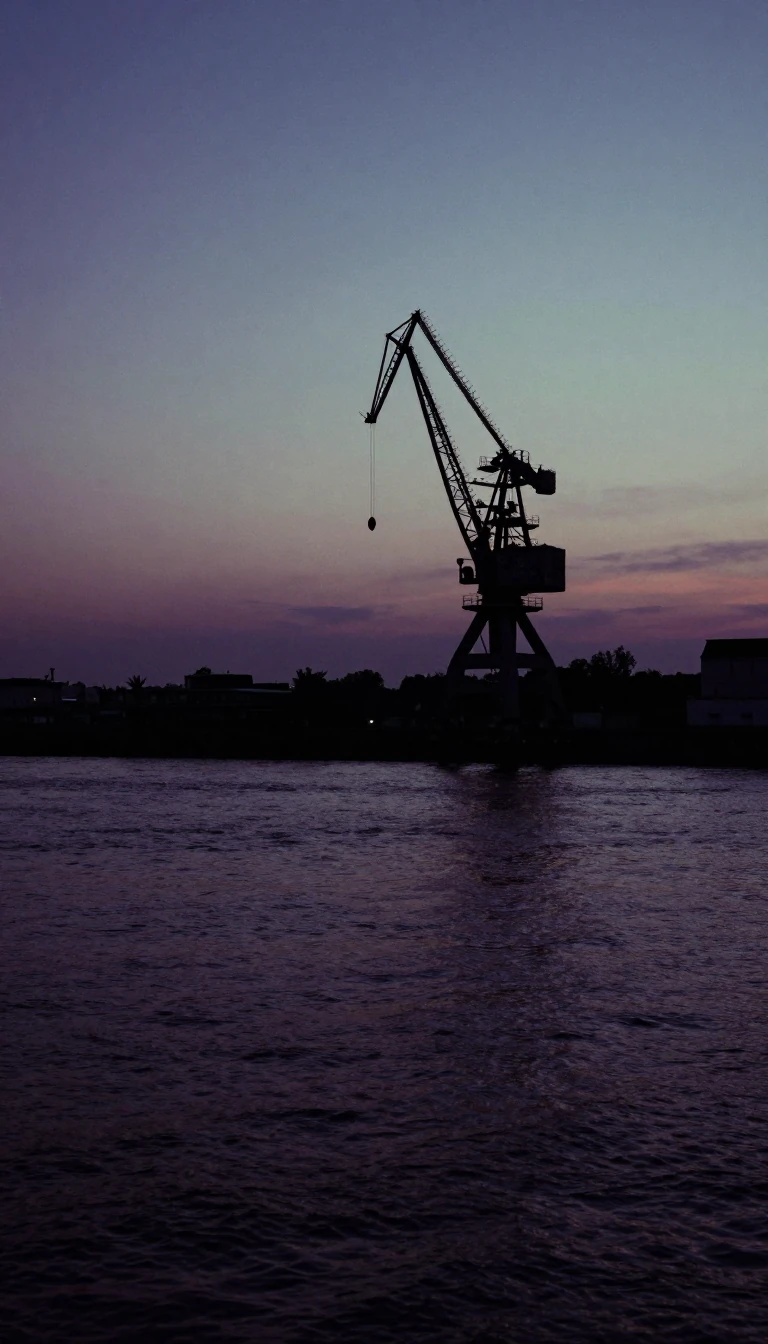
In short: Opened in 1899 to bypass overwhelmed railways, the Dortmund-Ems Canal became the vital artery for Ruhr coal and foreign ore. It was so influential that shipbuilders designed entire classes of vessels specifically to fit its dimensions, cementing its role as a cornerstone of German inland logistics for over a century.
The canal was engineered to solve a specific industrial bottleneck: the Ruhr area's inability to move its coal and steel products efficiently via rail. By connecting the inland port of Dortmund to the North Sea at Emden, the canal allowed German coal to compete with imported English fuel while facilitating the import of essential raw ores. Its strategic importance was so profound that it dictated the design of specialized barges, such as the Gustav Koenigs type, which became standard for inland shipping.
During the Second World War, the canal became a primary target for Allied forces. The infrastructure suffered repeated aerial assaults, including a notable 1943 attempt by the 617 Squadron, known as the Dambusters. By September 1944, the use of heavy Tallboy earthquake bombs caused significant breaches. Despite these efforts to paralyze the German industrial supply chain, the canal was consistently repaired, and post-war modernization efforts eventually saw the route widened and upgraded to accommodate larger, 1350-ton vessels.
The canal's engineering legacy is perhaps best exemplified by the Henrichenburg boat lift in Waltrop. Operating until 1962, this structure allowed ships to navigate a 14-metre height difference, a feat that now serves as an industrial museum. Today, the canal remains a critical component of a larger network, intersecting with routes like the Wesel-Datteln and Mittelland canals. It continues to facilitate the movement of millions of tons of cargo annually, including iron ore, grain, and stone, maintaining its status as a vital link between the Rhine and the North Sea.
Opens the Intellect+ feed with this card first. Swipe up for the next one.
Sources
- Summary by Intellect · source: Dortmund–Ems Canal
- Also: Dortmund-Ems Canal | Industrial, Shipping, Logistics | Britannica
- Also: Wikidata — Dortmund–Ems Canal · CC0
To cite this card, link to https://intellectplus.co.uk/app/places-dortmund-ems-canal.
How we source, check and correct cards: Editorial standards.
General information, not professional advice. Spotted an error? Flag the card or see corrections and complaints.
Intellect Plus is a visual educational discovery platform for exploring fascinating facts and ideas. Brain Food, Not Brain Rot. What is Intellect Plus?
Related
More in Bodies of water · More in Countries & Cities · Latest · A–Z · All topics
