The Pink Palace: A Renaissance masterpiece built atop Roman ruins
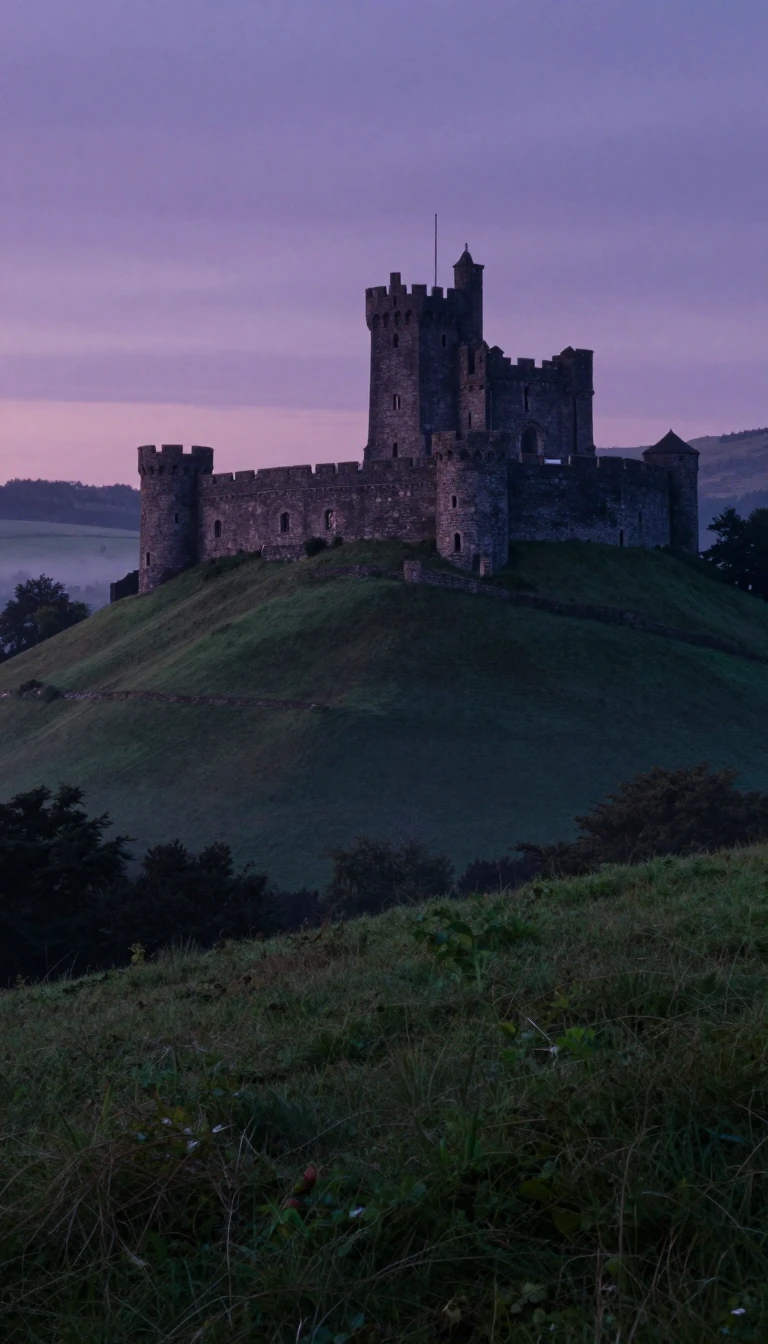
In short: Hidden beneath the pink sandstone of Scotland's Drumlanrig Castle lies a secret of imperial scale. While the 17th-century facade suggests Renaissance elegance, aerial photography and excavations have revealed that this noble seat sits on a site of much older, strategic significance.
The 'Pink Palace' was constructed between 1679 and 1689 by William Douglas, the first Duke of Queensberry. Built from distinctive pink sandstone, the structure serves as a premier example of late 17th-century Renaissance architecture. It boasts a massive scale for its era, featuring 120 rooms, 17 turrets, and four towers. It was purposefully erected on the site of an ancient Douglas stronghold that overlooks the Nith Valley, marking a transition from medieval fortification to aristocratic luxury.
The site's history stretches back significantly further than the Douglas era. In 1984, aerial photography identified the outline of a substantial Roman fort located roughly 350 yards to the southeast of the castle. This archaeological site was later partially excavated in 2004 by the television program Time Team, providing a tangible link to Roman presence in the region.
The surrounding landscape is equally storied. Between 1675 and 1697, a formal garden was developed following the principles of architect Sir William Bruce. This garden featured six stone pavilions with lead ogee roofs and a 'clanging clock' water feature. The evolution of the grounds saw various influences, from a Dutch gardener named Cornelius van Nerven in the late 1600s to the creation of an early bowling green and water cascades designed by Sir John Clerk of Penicuik between 1728 and 1732.
Today, the castle remains a repository for significant art, including a Rembrandt and a Leonardo da Vinci. While the da Vinci piece was stolen in 2003, it was recovered in 2007. The estate continues to balance its heritage with modern utility, hosting local businesses in the stableyard and an adventure playground, while maintaining its status as the home of the Duke of Buccleuch and Queensberry.
Opens the Intellect+ feed with this card first. Swipe up for the next one.
Sources
- Summary by Intellect · source: Drumlanrig Castle
- Also: Wikidata — designed landscape at Drumlanrig Castle · CC0
- Also: Wikidata — Drumlanrig Castle · CC0
To cite this card, link to https://intellectplus.co.uk/app/places-drumlanrig-castle.
How we source, check and correct cards: Editorial standards.
General information, not professional advice. Spotted an error? Flag the card or see corrections and complaints.
Intellect Plus is a visual educational discovery platform for exploring fascinating facts and ideas. Brain Food, Not Brain Rot. What is Intellect Plus?
Related
More in Castles & palaces · More in Countries & Cities · Latest · A–Z · All topics
