How Denis Villeneuve transformed the desert of Arrakis into a cinematic, infrared nightmare
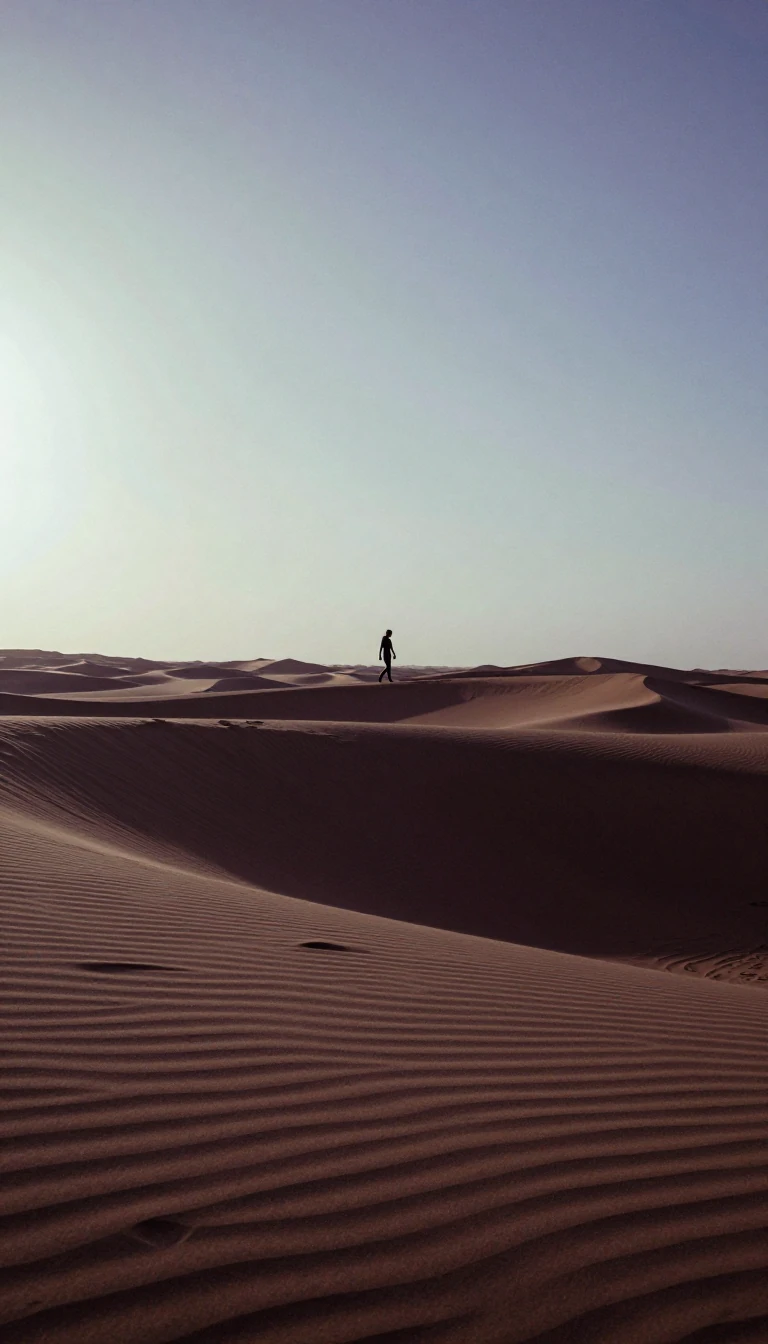
In short: To capture the brutal, alien atmosphere of Giedi Prime, the production team abandoned traditional color palettes. By swapping standard camera filters for infrared technology, they rendered the Harkonnen homeworld in a stark, high-resolution monochrome that evokes the eerie, ghoulish aesthetic of security footage, perfectly mirroring the cruelty of its inhabitants.
Dune: Part Two, directed by Denis Villeneuve and released in 2024, serves as the second installment in a planned trilogy adapting Frank Herbert's 1965 novel. Following the success of the 2021 predecessor, this production expanded its scope significantly, utilizing diverse international filming locations including Hungary, Italy, Jordan, Namibia, and the United Arab Emirates. The film follows Paul Atreides as he integrates into Fremen culture, eventually rising to become a messianic leader while grappling with the moral decay inherent in his pursuit of power.
The technical ambition of the film is perhaps best exemplified by the visual treatment of Giedi Prime. Villeneuve and cinematographer Greig Fraser sought to depict the planet as an industrial wasteland where the host star emits no color. To achieve this, they replaced standard infrared cut-off filters with 87C filters, blocking visible light to create a high-contrast, black-and-white aesthetic. This choice was specifically intended to highlight the physicality and menace of the character Feyd-Rautha, portrayed by Austin Butler as a foil to Paul.
Beyond the infrared sequences, the production relied on a blend of practical sets and sophisticated digital effects. The crew constructed massive platforms in Budapest to simulate the physics of sandworm riding, using industrial fans to blast tons of dust to create realistic environments. Meanwhile, costume designer Jacqueline West oversaw the creation of 4,000 individual pieces, drawing inspiration from global fashion and religious iconography to distinguish the various factions, from the modest, alphabet-inscribed robes of Lady Jessica to the constrained, high-fashion gowns worn by Princess Irulan.
The film achieved both critical and commercial success, grossing $715 million globally and earning five Academy Award nominations. Despite the accolades, the narrative remains a subject of debate, particularly regarding Villeneuve's decision to shift the story's perspective toward Chani, who serves as a skeptic of the prophecy. By framing Paul's transformation into an unscrupulous leader through her eyes, the director emphasizes the tragic nature of the story, portraying the rise of a messiah as a cautionary tale rather than a traditional hero's journey.
Opens the Intellect+ feed with this card first. Swipe up for the next one.
Sources
- Summary by Intellect · source: Dune: Part Two
- Also: Wikidata — Dune: Part Two · CC0
- Also: Wikidata — Dune: Part Two (Original Motion Picture Soundtrack) · CC0
To cite this card, link to https://intellectplus.co.uk/app/places-dune-part-two.
How we source, check and correct cards: Editorial standards.
General information, not professional advice. Spotted an error? Flag the card or see corrections and complaints.
Intellect Plus is a visual educational discovery platform for exploring fascinating facts and ideas. Brain Food, Not Brain Rot. What is Intellect Plus?
Related
More in Cities · More in Countries & Cities · Latest · A–Z · All topics
