Why Earth does not have a single, precise radius for scientists to measure
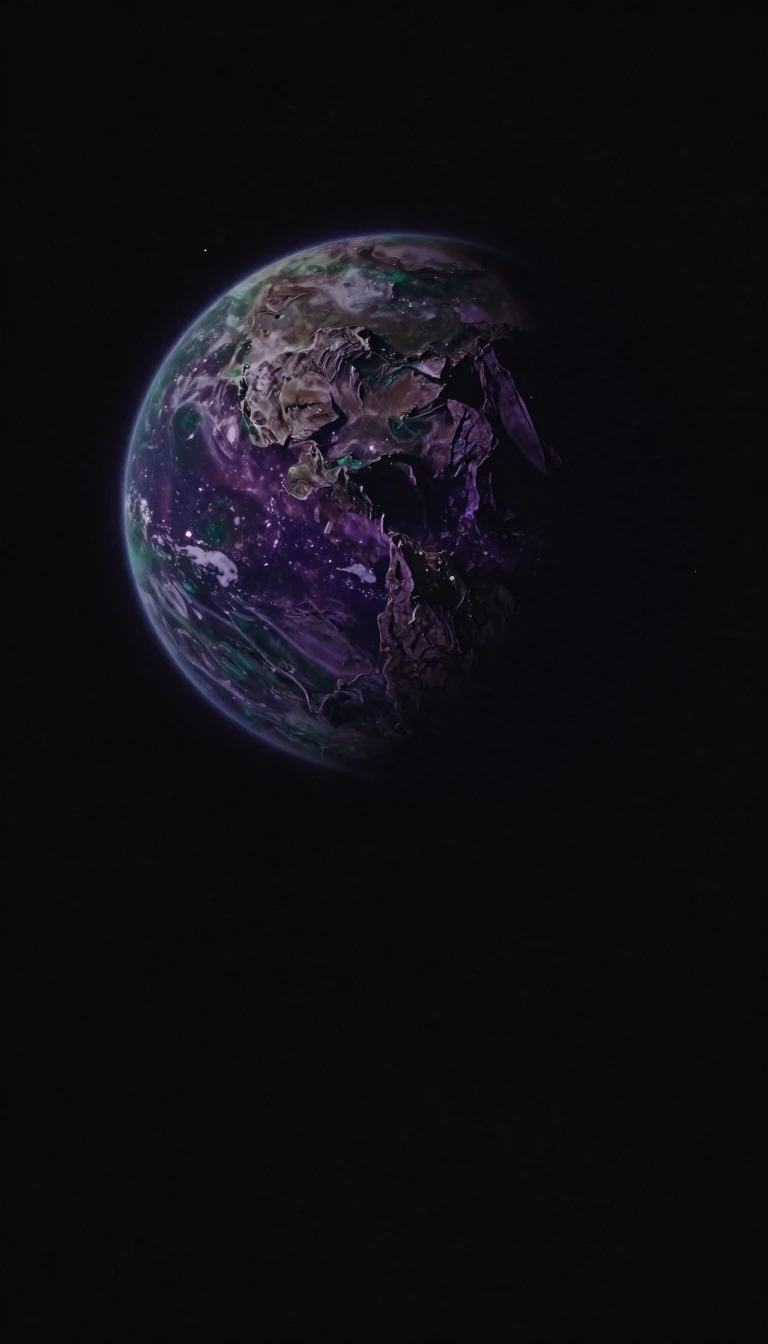
In short: Earth is not a perfect sphere, making the concept of a single radius a useful fiction. Because our planet bulges at the equator and flattens at the poles, its radius varies depending on where you measure. Scientists use various idealized models to approximate this complex, ever-changing shape for different needs.
The distance from Earth's center to its surface is not constant. Because of the planet's rotation, Earth takes the shape of an oblate ellipsoid, or spheroid. This creates a significant difference between the equatorial radius, which measures about 6,378 kilometers, and the polar radius, which is nearly 6,357 kilometers. This deviation from a perfect sphere is relatively small—only about a third of a percent—which justifies the common use of a globally averaged radius of approximately 6,371 kilometers in many contexts.
Defining a precise radius is complicated by the fact that Earth is not a static object. Its shape is influenced by internal density variations, tidal forces from the Moon and Sun, and even the redistribution of ocean mass. These factors cause the surface to shift, meaning that models like the geoid—which represents mean sea level—must account for these irregularities. Geoid height, the difference between the actual mean sea level and the reference ellipsoid, can vary by up to 110 meters, and these heights can shift abruptly following major geological events like earthquakes.
To manage this complexity, scientists rely on idealized models. The World Geodetic System 1984 (WGS-84) provides a standard reference ellipsoid, though even this has an uncertainty of about two meters. Other definitions, such as the authalic or volumetric radii, are used depending on whether one is calculating surface area or volume. Ultimately, because local topography and transient forces prevent a single, fixed measurement, the choice of model depends entirely on the specific application, from regional surveying to global planetary comparisons.
Opens the Intellect+ feed with this card first. Swipe up for the next one.
Sources
- Summary by Intellect · source: Earth radius
- Also: Wikidata — Earth radius · CC0
To cite this card, link to https://intellectplus.co.uk/app/places-earth-radius.
How we source, check and correct cards: Editorial standards.
General information, not professional advice. Spotted an error? Flag the card or see corrections and complaints.
Intellect Plus is a visual educational discovery platform for exploring fascinating facts and ideas. Brain Food, Not Brain Rot. What is Intellect Plus?
Related
More in Basics · More in Countries & Cities · Latest · A–Z · All topics
