When a 33 percent wage cut triggered a massive uprising against East German socialism
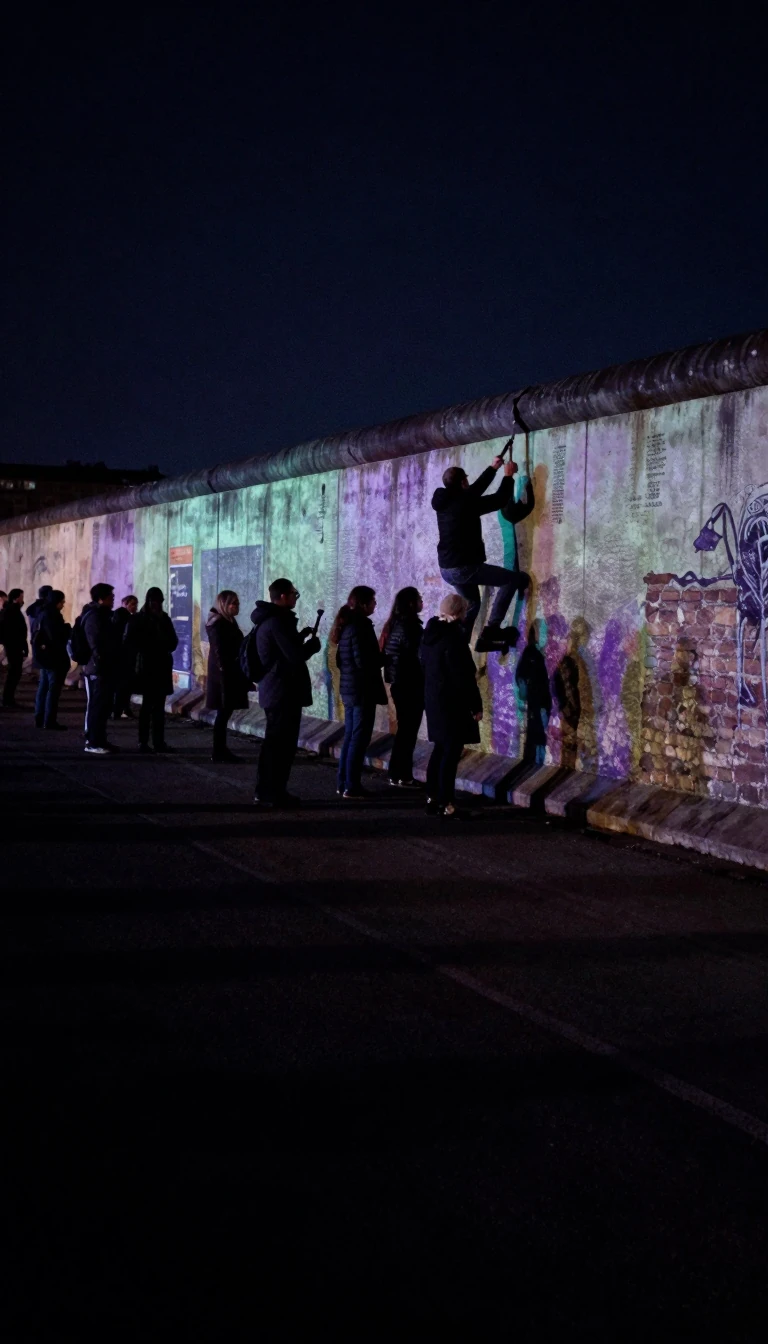
In short: In June 1953, East German workers launched a nationwide revolt against the ruling Socialist Unity Party. What began as a strike against increased work quotas rapidly escalated into a desperate demand for free elections and the end of Soviet-backed rule, forcing the regime to rely on Soviet tanks for survival.
The uprising was rooted in the GDR's 'accelerated construction of socialism,' a policy announced in July 1952. To fund heavy industry, the state imposed forced collectivization, discriminatory taxes on private enterprise, and a 10 percent increase in work quotas. Combined with rising prices for food and transport, these measures effectively slashed workers' monthly take-home pay by 33 percent. By early 1953, the economic strain had caused widespread shortages and a massive exodus of citizens to the West.
On 16 June 1953, construction workers in East Berlin marched to demand the revocation of the new quotas. Although the Politburo eventually conceded, the movement had already evolved. By the next morning, hundreds of thousands of people across the country were protesting. In over 500 towns and villages, demonstrators burned party posters, attacked secret police offices, and demanded free elections. The regime, paralyzed and out of touch, was only saved when Soviet tanks intervened, violently suppressing the crowds and declaring martial law.
The aftermath was brutal, with up to 10,000 people detained and at least 32, and perhaps as many as 40, individuals executed. While the uprising initially threatened Walter Ulbricht's leadership, the internal power struggles in Moscow following the arrest of Lavrentiy Beria in June 1953 ultimately secured his position. The Soviet leadership, fearing instability, chose to maintain the status quo, providing financial aid to stabilize the regime while Ulbricht purged his political rivals. The event left a lasting scar, as many long-time party members abandoned the SED in disgust at the violence used against the workers they claimed to represent.
Opens the Intellect+ feed with this card first. Swipe up for the next one.
Sources
- Summary by Intellect · source: East German uprising of 1953
- Also: Wikidata — East German uprising of 1953 · CC0
- Also: Wikidata — East German uprising of 1953, June 17th · CC0
To cite this card, link to https://intellectplus.co.uk/app/places-east-german-uprising-of-1953.
How we source, check and correct cards: Editorial standards.
General information, not professional advice. Spotted an error? Flag the card or see corrections and complaints.
Intellect Plus is a visual educational discovery platform for exploring fascinating facts and ideas. Brain Food, Not Brain Rot. What is Intellect Plus?
Related
More in Countries and other regions · More in Countries & Cities · Latest · A–Z · All topics
