When Munich’s Coffeehouse Anarchists Tried to Build a Soviet Republic in 1919
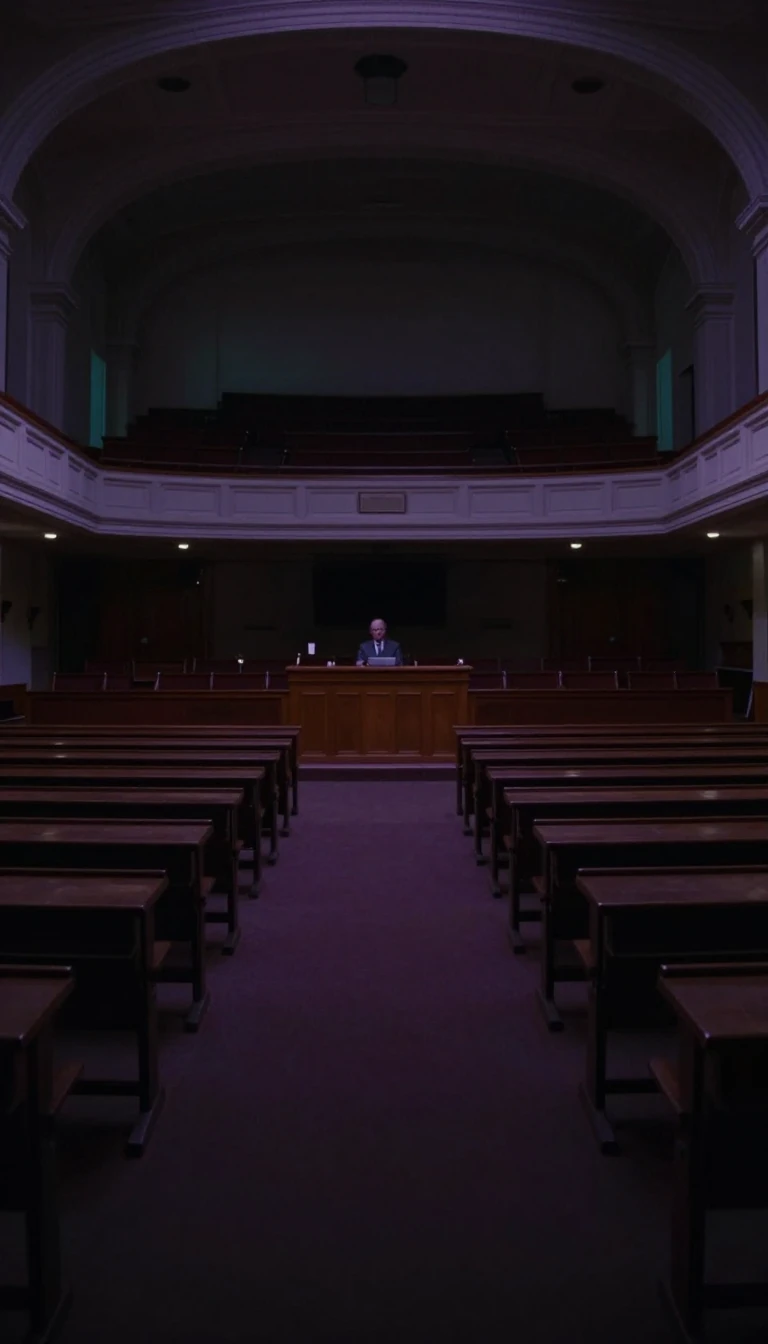
In short: In April 1919, a group of playwrights and anarchists seized power in Munich, declaring a short-lived socialist state. Their regime, marked by bizarre decrees and military incompetence, collapsed within weeks under the weight of food shortages, internal purges, and a brutal crackdown by the German Army and paramilitary Freikorps.
The Bavarian Soviet Republic emerged from the chaos of Germany’s defeat in the First World War. Following the assassination of Minister-President Kurt Eisner in February 1919, political instability gripped Munich. On 6 April, a coalition of communists and anarchists declared a new soviet state, forcing the legitimate government to flee to Bamberg. The initial leadership, led by playwright Ernst Toller, was famously dubbed the regime of coffeehouse anarchists, reflecting their lack of administrative experience and penchant for eccentric policy, such as attempting to implement a system of free money.
The republic’s governance was marked by absurdity and escalating violence. Franz Lipp, the Commissar of Foreign Affairs, declared war on Switzerland over a locomotive dispute and sent cables to the Pope and Lenin regarding the location of a stolen ministry toilet key. By 12 April, the Communist Party of Germany (KPD) seized control, installing Russian-German Bolshevik Eugen Leviné as head of state. Leviné attempted to enforce radical reforms, including the expropriation of luxury apartments and the seizure of food supplies, which only exacerbated severe shortages, particularly of milk.
The experiment ended in bloodshed. As the Hoffmann government in Bamberg secured the support of 20,000 Freikorps troops, the Soviet Republic’s forces were overwhelmed. On 30 April, communist forces executed ten hostages, including Prince Gustav of Thurn and Taxis, despite Toller’s opposition. When the Freikorps breached Munich on 1 May, street fighting involving heavy artillery and aircraft left at least 606 people dead. The aftermath saw the execution of Leviné and long prison sentences for others, cementing a deep-seated, reactionary hatred of Bolshevism in Bavaria that would shape the region’s political future.
The collapse of the republic had lasting consequences for German history. The violence and disorder fostered a climate of fear, which right-wing elements exploited to promote the conspiracy theory of Jewish Bolshevism. Future Nazi figures, including Rudolf Hess, participated in the Freikorps units that crushed the movement. Meanwhile, Adolf Hitler, then a soldier in the Munich area, remained neutral during the soviet period and later served as an informant for the Reichswehr, helping to prosecute those involved in the uprising.
Opens the Intellect+ feed with this card first. Swipe up for the next one.
Sources
- Summary by Intellect · source: Bavarian Soviet Republic
To cite this card, link to https://intellectplus.co.uk/app/history-bavarian-soviet-republic.
How we source, check and correct cards: Editorial standards.
General information, not professional advice. Spotted an error? Flag the card or see corrections and complaints.
Intellect Plus is a visual educational discovery platform for exploring fascinating facts and ideas. Brain Food, Not Brain Rot. What is Intellect Plus?
Related
More in Explorers · More in History · Latest · A–Z · All topics
