Eastbourne: From a quiet stream to a Victorian resort and a murder mystery
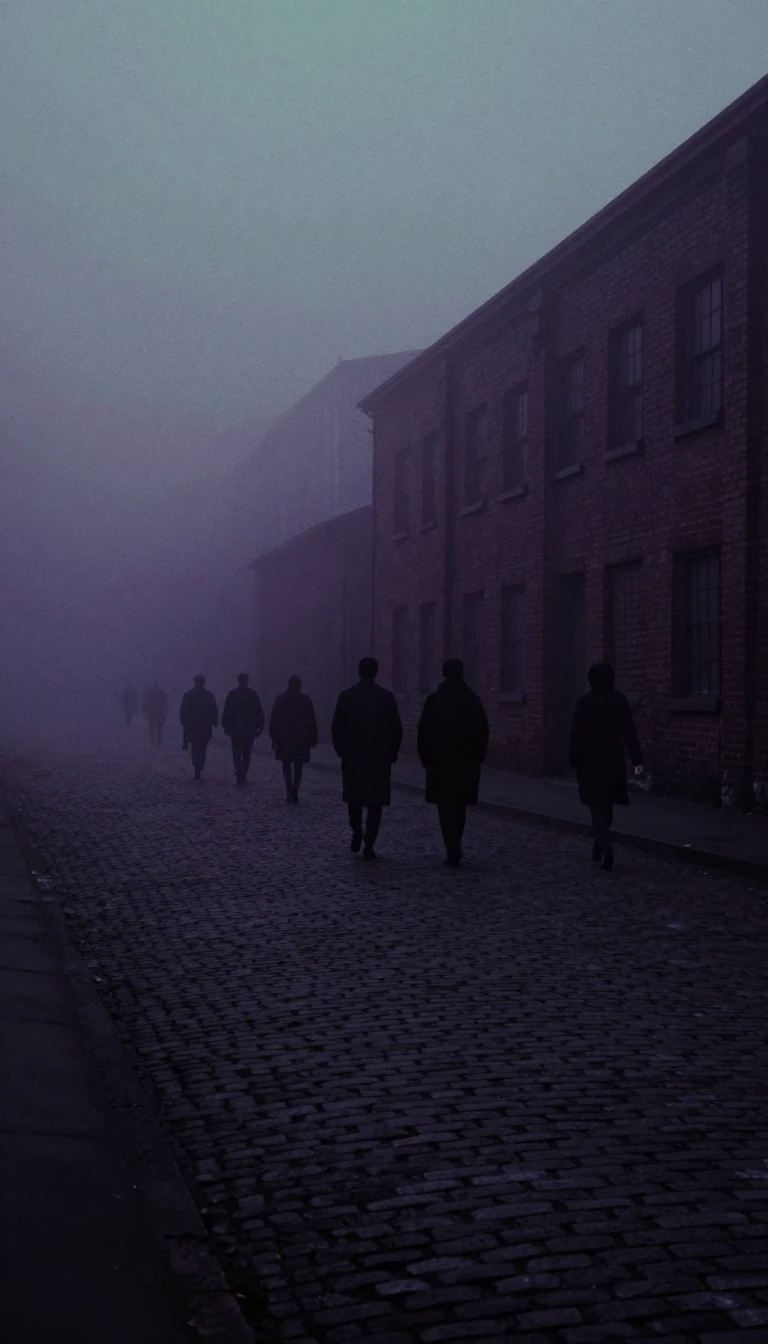
In short: Eastbourne began as a collection of rural hamlets surrounding a stream, but transformed into a fashionable Victorian seaside resort designed for gentlemen. Beyond its elegant architecture and coastal charm, the town holds a complex history, ranging from wartime invasion fears to a notorious 1950s murder trial that captivated the world.
The town of Eastbourne, located in East Sussex, has roots stretching back to the Stone Age, with evidence of human occupation found in the surrounding countryside. Its name originates from the 'Burne' or stream that once flowed through the area, now largely hidden except for a small pond in Motcombe Gardens. By the 13th century, the name had evolved to Eastbourne, and the area remained a series of small rural settlements until the 19th century.
The town's rapid expansion as a seaside destination was largely driven by William Cavendish, the 7th Duke of Devonshire, who commissioned architect Henry Currey to design a resort 'for gentlemen by gentlemen.' This Victorian vision saw the town grow from fewer than 4,000 residents in 1851 to nearly 35,000 by 1891. During the Second World War, Eastbourne faced significant hardship, becoming the most heavily raided town in the South East region, with 187 civilian deaths recorded.
Eastbourne later gained international notoriety in 1957 during the trial of Dr. John Bodkin Adams. A general practitioner to the town's wealthy, Adams was accused of murdering an elderly widow. While he was acquitted, Scotland Yard archives suggest he may have killed up to 163 patients. The case remains a dark chapter in the town's history, contrasting sharply with its reputation as a peaceful, elegant seaside retreat.
Today, Eastbourne continues to evolve, balancing its historical preservation with modern development. Projects like the Sovereign Harbour marina and the expansion of the town's retail centre, now known as The Beacon, reflect ongoing growth. Despite controversies over urban planning and the loss of some historic sites, the town retains its status as a significant cultural and tourist hub on the English coast.
Opens the Intellect+ feed with this card first. Swipe up for the next one.
Sources
- Summary by Intellect · source: Eastbourne
- Also: Wikidata — Eastbourne · CC0
- Also: Wikidata — Eastbourne · CC0
To cite this card, link to https://intellectplus.co.uk/app/places-eastbourne.
How we source, check and correct cards: Editorial standards.
General information, not professional advice. Spotted an error? Flag the card or see corrections and complaints.
Intellect Plus is a visual educational discovery platform for exploring fascinating facts and ideas. Brain Food, Not Brain Rot. What is Intellect Plus?
Related
More in UK & Irish cities · More in Countries & Cities · Latest · A–Z · All topics
