How a legendary healing spring transformed a quiet village into a London suburb
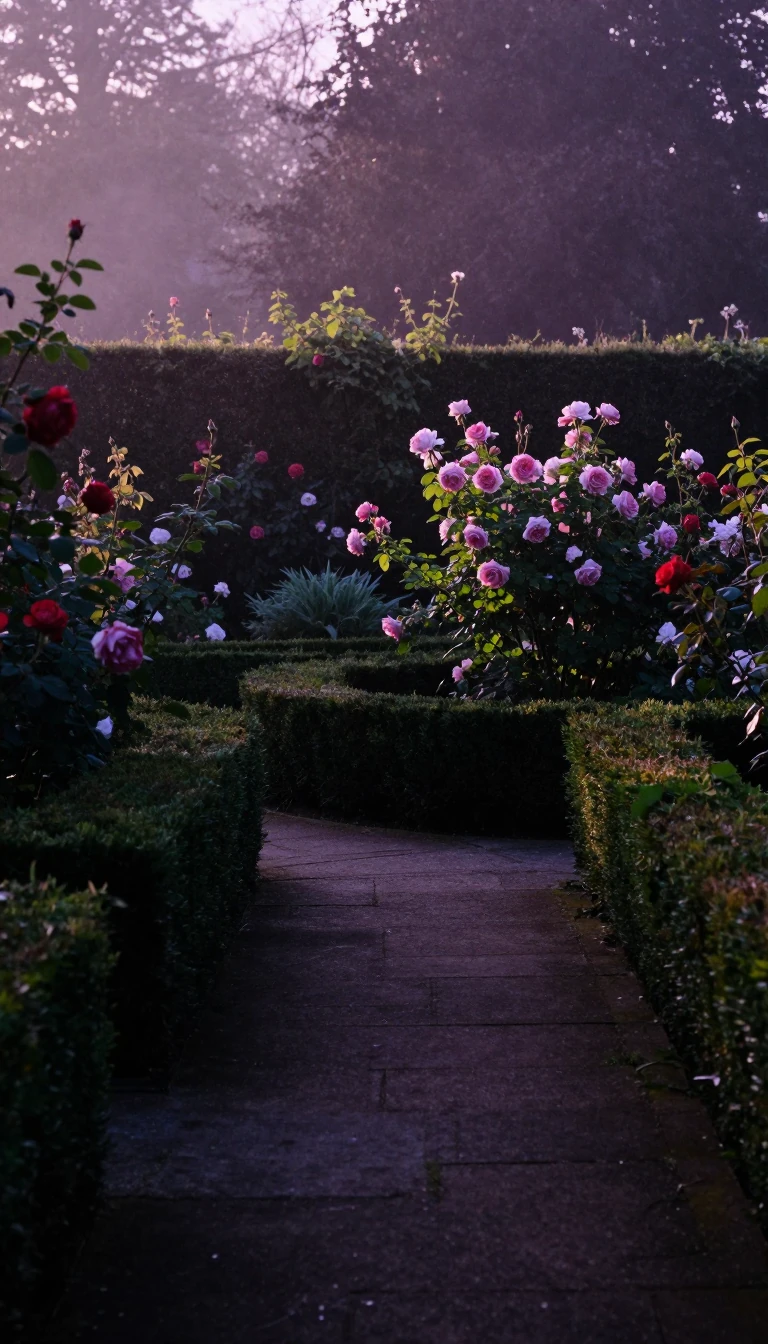
In short: Muswell Hill began as a medieval pilgrimage site centered on a miraculous well. By the 20th century, the arrival of a grand pleasure palace and railway infrastructure turned this collection of detached villas into a highly sought-after residential district, defined today by its preserved Edwardian architecture and historic retail parades.
The district's identity is rooted in the 12th century, when the Bishop of London granted land to a nunnery that established a chapel called Our Lady of Muswell. The name itself stems from a local spring, the Mossy Well, which gained fame for its supposed medicinal powers. Medieval tradition suggests that King Malcolm IV of Scotland recovered from an illness after consuming its waters, establishing the area as a destination for those seeking healing.
For centuries, the landscape remained rural, characterized by large estates like The Limes and The Grove. By the late 1700s, observers praised the village for its pleasant atmosphere and expansive views. However, the character of the area shifted dramatically following the 1873 opening of Alexandra Palace. This massive pleasure pavilion spurred dense residential development, replacing country houses with the elegant Edwardian street patterns and shopping nodes that define the district today.
The area's connectivity has evolved through cycles of construction and abandonment. A railway once linked the hill to the city, but plans to integrate it into the London Underground were scrapped after the Second World War. Today, the former trackbed serves as the Parkland Walk, a rail trail that highlights the district's transition from an isolated village to a modern suburb. Despite the loss of direct rail access, the area remains a popular residential choice, frequently cited in national guides for its high desirability.
Modern Muswell Hill maintains a distinct character, with its shopping streets preserving original facades above ground level. While the population has diversified, the area retains a mix of religious and secular influences, reflecting its long history as both an ecclesiastical manor and a civic hub. The district continues to balance its heritage, from the ancient route of Colney Hatch Lane to the 1930s art deco cinema, within the modern London Borough of Haringey.
Opens the Intellect+ feed with this card first. Swipe up for the next one.
Sources
- Summary by Intellect · source: Muswell Hill
To cite this card, link to https://intellectplus.co.uk/app/culture-muswell-hill.
How we source, check and correct cards: Editorial standards.
General information, not professional advice. Spotted an error? Flag the card or see corrections and complaints.
Intellect Plus is a visual educational discovery platform for exploring fascinating facts and ideas. Brain Food, Not Brain Rot. What is Intellect Plus?
Related
More in Languages · More in Cultures · Latest · A–Z · All topics
