How a tiny, rural nation transformed into a global financial powerhouse and space mining hub.
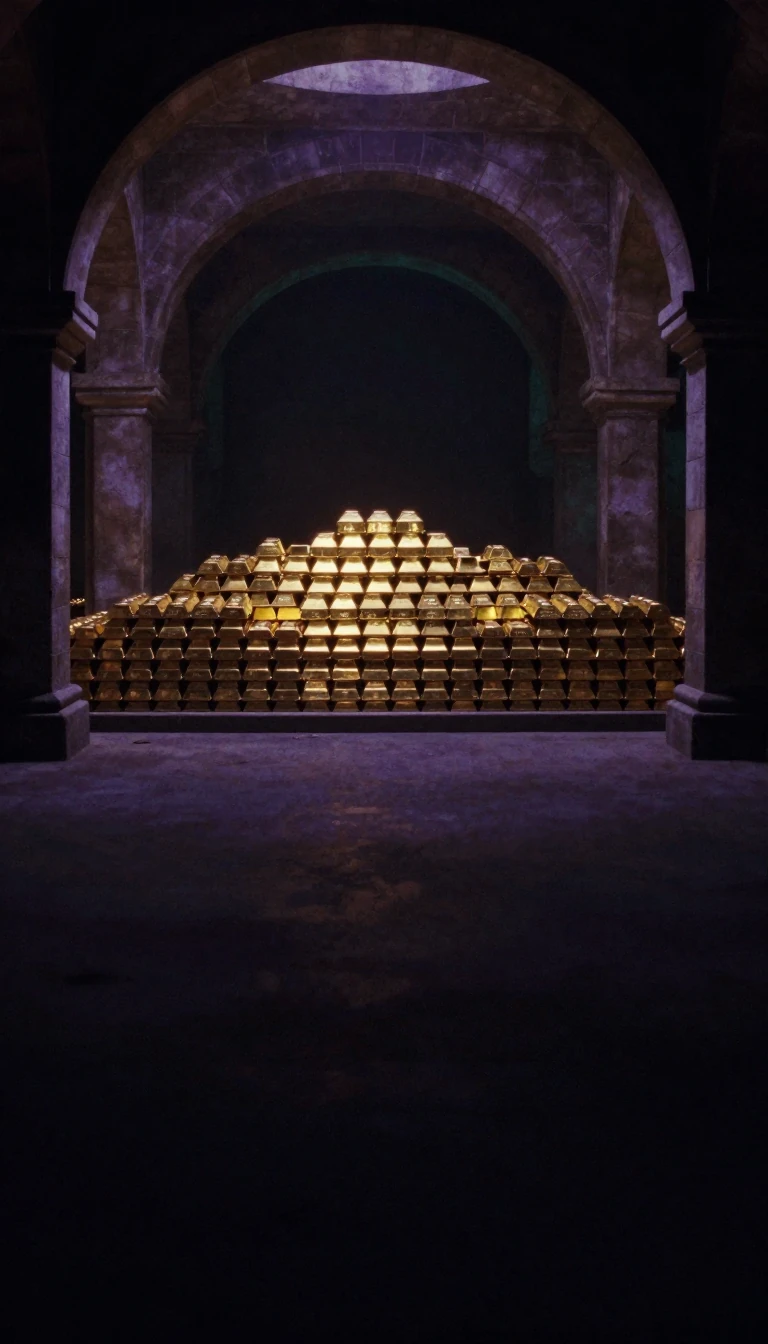
In short: Once an isolated, agrarian society, Luxembourg evolved into a sophisticated financial center by leveraging strategic legal frameworks. Today, it boasts the world's highest GDP per capita and is pioneering the future of space resource extraction, proving that even the smallest economies can command massive global influence through specialized innovation.
For much of its history, Luxembourg was a rural, isolated territory. Until the mid-19th century, it lacked basic infrastructure like paved roads to connect with neighbors, keeping it largely disconnected from European commerce. The transition began in the late 1800s with the rise of the steel industry, anchored by the 1876 introduction of English metallurgy and the 1911 founding of Arbed. This industrial foundation eventually shifted toward services, with finance becoming the dominant sector.
The modern financial center is not a recent accident but the result of deliberate policy. The Holding Law of 1929 (H29) was a foundational legal tool that allowed companies to avoid double taxation, attracting international capital and fostering a network of lawyers, bankers, and political elites. By 1963, Luxembourg was already established enough to list Eurobonds, competing with major centers like London. Today, the financial sector produces 36% of the country's GDP, with nearly 90% of operating companies being foreign-owned.
Luxembourg continues to reinvent its economic identity. Beyond banking, it has aggressively pursued the space industry, becoming a member of the European Space Agency and establishing a legal framework in 2017 that grants private operators ownership rights over space resources. This forward-looking strategy is paired with significant investments in digital technology and infrastructure, such as free public transport and modern satellite telecommunications. While the country faces challenges like slowing economic growth and the need to boost productivity outside of finance, its history of institutional agility suggests a continued focus on high-value, specialized niches.
Opens the Intellect+ feed with this card first. Swipe up for the next one.
Sources
- Summary by Intellect · source: Economy of Luxembourg
- Also: Wikidata — economy of Luxembourg · CC0
- Also: www.oecd.org — Luxembourg Economic Snapshot
- Also: Wikidata — economy of Luxembourg City · CC0
To cite this card, link to https://intellectplus.co.uk/app/places-economy-of-luxembourg.
How we source, check and correct cards: Editorial standards.
General information, not professional advice. Spotted an error? Flag the card or see corrections and complaints.
Intellect Plus is a visual educational discovery platform for exploring fascinating facts and ideas. Brain Food, Not Brain Rot. What is Intellect Plus?
Related
More in Capital cities · More in Countries & Cities · Latest · A–Z · All topics
