The high-altitude survivor wearing a microscopic suit of armor
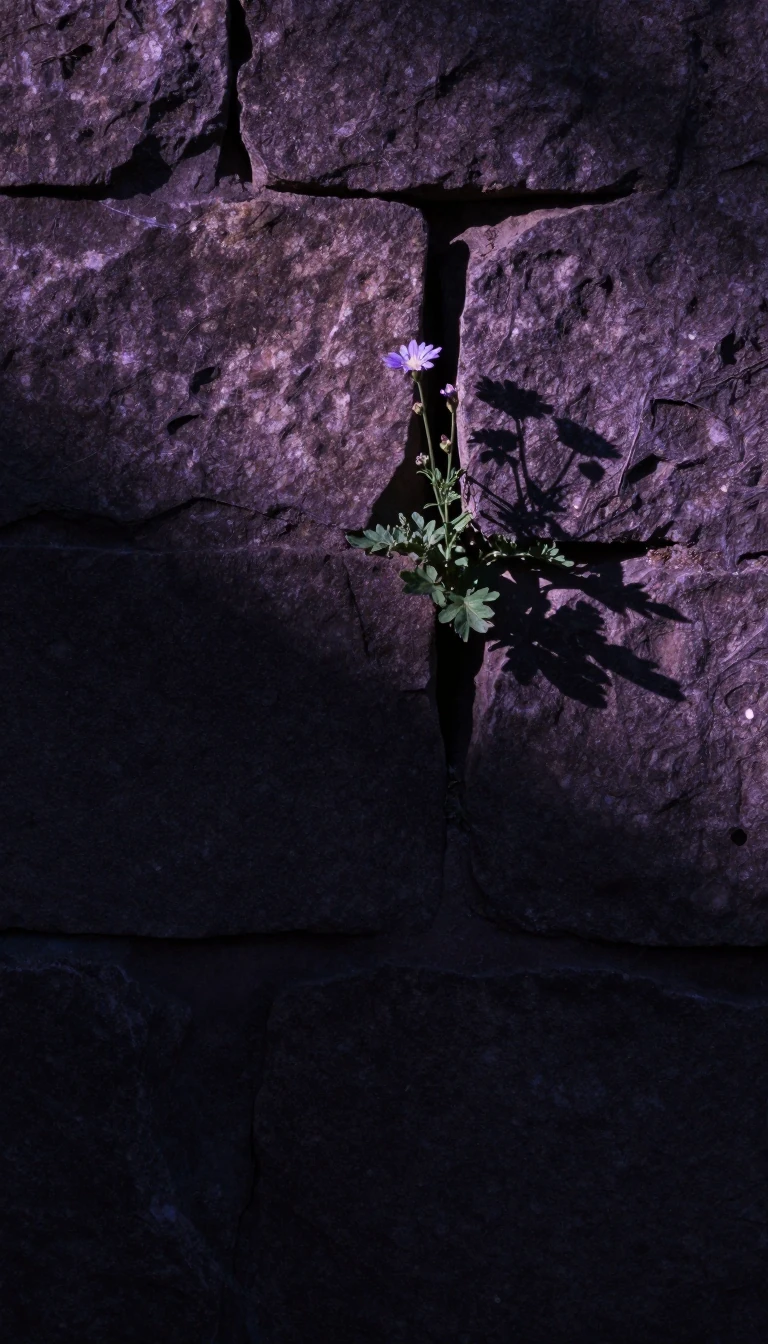
In short: Found clinging to limestone cliffs between 1,800 and 3,400 metres, the edelweiss survives where most life fails. Its secret lies in a dense, woolly coating of hairs that acts as a sophisticated biological shield against extreme ultraviolet radiation and freezing winds.
The edel\'s survival in the Alps, Pyrenees, and Apennines depends on a specialized structure known as tomentum. This filamentary, woolly coating consists of dense white hairs that cover the leaves and flowers. On a microscopic level, these hairs possess a sub-micrometer internal structure designed to scatter and absorb near-ultraviolet radiation, protecting the plant from the intense solar exposure found at high altitudes.
Beyond radiation protection, this thick layer of hair helps the plant manage aridity and temperature fluctuations. By reducing water loss and insulating against the cold, the plant can inhabit exposed, rocky, and calcareous habitats, such as limestone and dolomite scree. These niches, particularly on north-facing slopes, allow the species to thrive by reducing competition from taller, more aggressive vegetation.
Historically, the plant's scarcity and the difficulty of retrieving it from steep cliffs contributed to a romanticized mythology. In the 19th century, it became a symbol of Alpine purity and daring. This era saw the flower adopted by various mountain troops, including the Austro-Hungarian Army, and even featured in literature, such as Berthold Auerbach's 1861 novel, which suggested that possessing the flower was proof of unusual bravery.
While the species is currently classified as 'least concern' by the IUCN, it has faced historical pressures from overcollection for souvenirs and horticulture. Today, conservation efforts include legal protections, the establishment of national parks, and ex-situ methods like seed banking and botanical garden cultivation to ensure its continued presence in the European mountains.
Opens the Intellect+ feed with this card first. Swipe up for the next one.
Sources
- Summary by Intellect · source: Edelweiss
- Also: Wikidata — Edelweiss · CC0
- Also: Wikidata — Edelweiss · CC0
To cite this card, link to https://intellectplus.co.uk/app/places-edelweiss.
How we source, check and correct cards: Editorial standards.
General information, not professional advice. Spotted an error? Flag the card or see corrections and complaints.
Intellect Plus is a visual educational discovery platform for exploring fascinating facts and ideas. Brain Food, Not Brain Rot. What is Intellect Plus?
Related
More in Mountain peaks and volcanos · More in Countries & Cities · Latest · A–Z · All topics
