Why the UK's highest mountain summits are home to rare, wind-sculpted botanical staircases
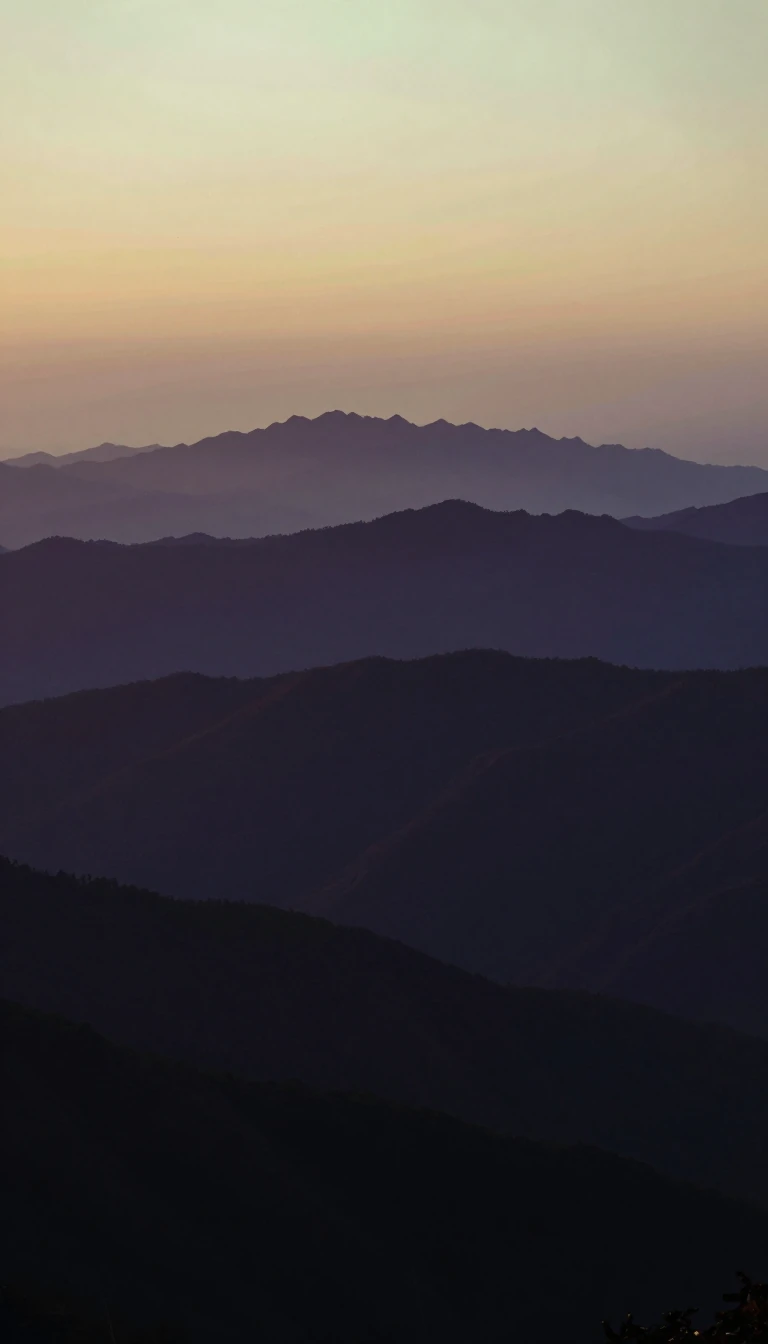
In short: Above 750 meters, the UK’s high mountain summits host a rare, near-natural habitat defined by extreme exposure and shifting snow. These siliceous grasslands are not merely patches of grass, but complex, shifting ecosystems shaped by freezing cycles, solifluction terracing, and the precise duration of winter snow-lie.
Siliceous alpine and boreal grasslands represent one of the few remaining near-natural habitats in the UK. Found primarily above 750 meters, these ecosystems form continuous tracts across high ridges and plateaux. Their composition is dictated by a delicate balance between exposure to harsh winds and the duration of snow cover. When snow persists, it creates specialized 'snow-bed' communities, while windswept areas favor moss-heaths dominated by species like Carex bigelowii and Racomitrium lanuginosum.
The landscape is physically dynamic. On steep slopes and in high corries, alternate freezing and thawing of soil water creates solifluction terracing—a stair-like structure that prevents leaching and releases nutrients into the soil. This instability allows rare plants, such as the Norwegian mugwort, to thrive. In contrast, the most stable, acid-rich environments are often species-poor, though they may host cushion herbs like moss campion and thrift. Where base-rich rocks occur, the flora becomes significantly more diverse, supporting rare mosses and lichens.
These habitats are vital for biodiversity, serving as the primary home for the Eurasian dotterel, Britain’s only montane wading bird. However, the ecosystem is fragile. It is highly vulnerable to physical damage from human and animal trampling, skiing, and all-terrain vehicles, as well as chemical stressors like acid deposition and nutrient inputs from grazing animals. Because these communities are restricted to the highest hills, particularly within the Scottish Highlands, they remain rare and sensitive to environmental change.
While the UK’s montane grasslands are defined by these specific siliceous communities, the broader global biome—as classified by the World Wide Fund for Nature—includes diverse high-elevation habitats like the Andean páramos and the Tibetan steppes. Whether through the giant rosette plants of the tropics or the hardy bryophytes of the Scottish summits, these ecosystems demonstrate remarkable adaptations to intense sunlight, cold, and isolation.
Opens the Intellect+ feed with this card first. Swipe up for the next one.
Sources
- Summary by Intellect · source: Montane acid grasslands (Siliceous alpine and boreal grasslands) - Special Areas of Conservation
- Also: Montane grasslands and shrublands
To cite this card, link to https://intellectplus.co.uk/app/nature-montane-grasslands-and-shrublands.
How we source, check and correct cards: Editorial standards.
General information, not professional advice. Spotted an error? Flag the card or see corrections and complaints.
Intellect Plus is a visual educational discovery platform for exploring fascinating facts and ideas. Brain Food, Not Brain Rot. What is Intellect Plus?
Related
More in Earth science basics · More in Nature · Latest · A–Z · All topics
