How a medieval relic on the Neckar river became a modern transport hub
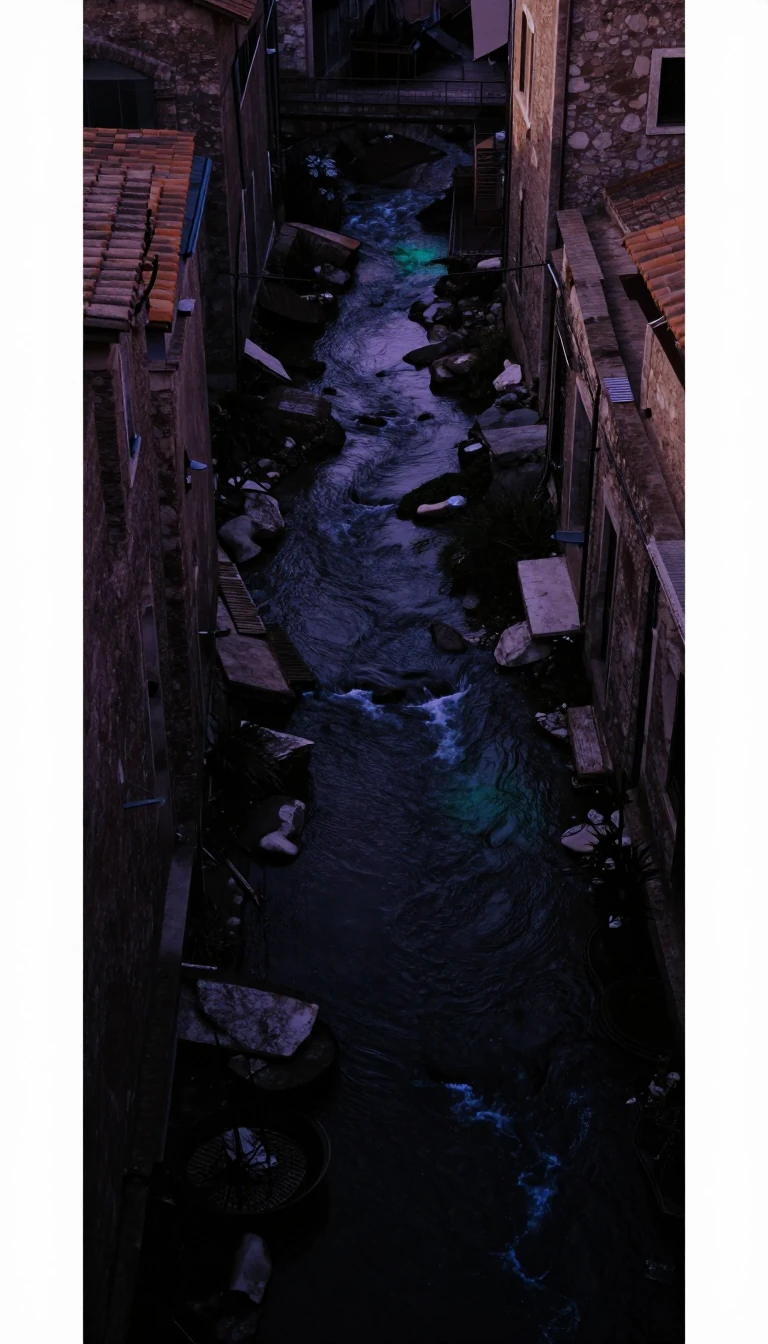
In short: Esslingen am Neckar is a rare survivor of history, where medieval half-timbered architecture meets a sophisticated, evolving transport network. From its origins as a pilgrimage site for the bones of Saint Vitalis to its current status as a vital industrial and educational center, the city bridges centuries of German development.
Esslingen’s story begins long before its formal records, with Neolithic settlements and Roman warehouses established in the 1st century AD. By the 8th century, it had emerged as a significant location, first mentioned in 777 in the will of Abbot Fulrad. The town’s early growth was fueled by religious significance after the arrival of the relics of Saint Vitalis, which transformed the settlement into a destination for pilgrims. Its strategic position on the Neckar river later solidified its importance as a Free Imperial City starting in 1181, a status that brought prosperity through trade and market rights.
The city’s medieval character remains remarkably intact, largely because it suffered minimal damage during the Second World War and was surrendered peaceably to Allied forces in April 1945. Today, visitors can still see the landmark 'fat tower' and the ancient Pliensau Bridge. This historic core is now integrated into a modern infrastructure network. Esslingen serves as a key node on the Stuttgart S-Bahn and the main rail line between Stuttgart and Ulm. Its commitment to transit innovation is evident in its status as one of only three German towns that still operate trolleybuses.
Beyond its physical infrastructure, Esslingen has evolved into a center for technical education, hosting the Esslingen University of Applied Sciences. The city’s economic identity, once defined by 19th-century industrialization in textiles and metalworking, has shifted toward high-level engineering. Recent decades have seen ambitious urban redevelopment, including a multi-million euro project to modernize the rail and bus interchange. Despite the pressures of modern traffic and the need to manage congestion on routes like the Pliensau Bridge, the city continues to balance its deep historical roots with the demands of a contemporary, interconnected region.
Opens the Intellect+ feed with this card first. Swipe up for the next one.
Sources
- Summary by Intellect · source: Esslingen am Neckar
- Also: Wikidata — Esslingen am Neckar · CC0
- Also: Wikidata — Esslingen · CC0
To cite this card, link to https://intellectplus.co.uk/app/places-esslingen-am-neckar.
How we source, check and correct cards: Editorial standards.
General information, not professional advice. Spotted an error? Flag the card or see corrections and complaints.
Intellect Plus is a visual educational discovery platform for exploring fascinating facts and ideas. Brain Food, Not Brain Rot. What is Intellect Plus?
Related
More in Bodies of water · More in Countries & Cities · Latest · A–Z · All topics
