Quedlinburg: The Medieval German Town That Became a Nazi Cultist Obsession
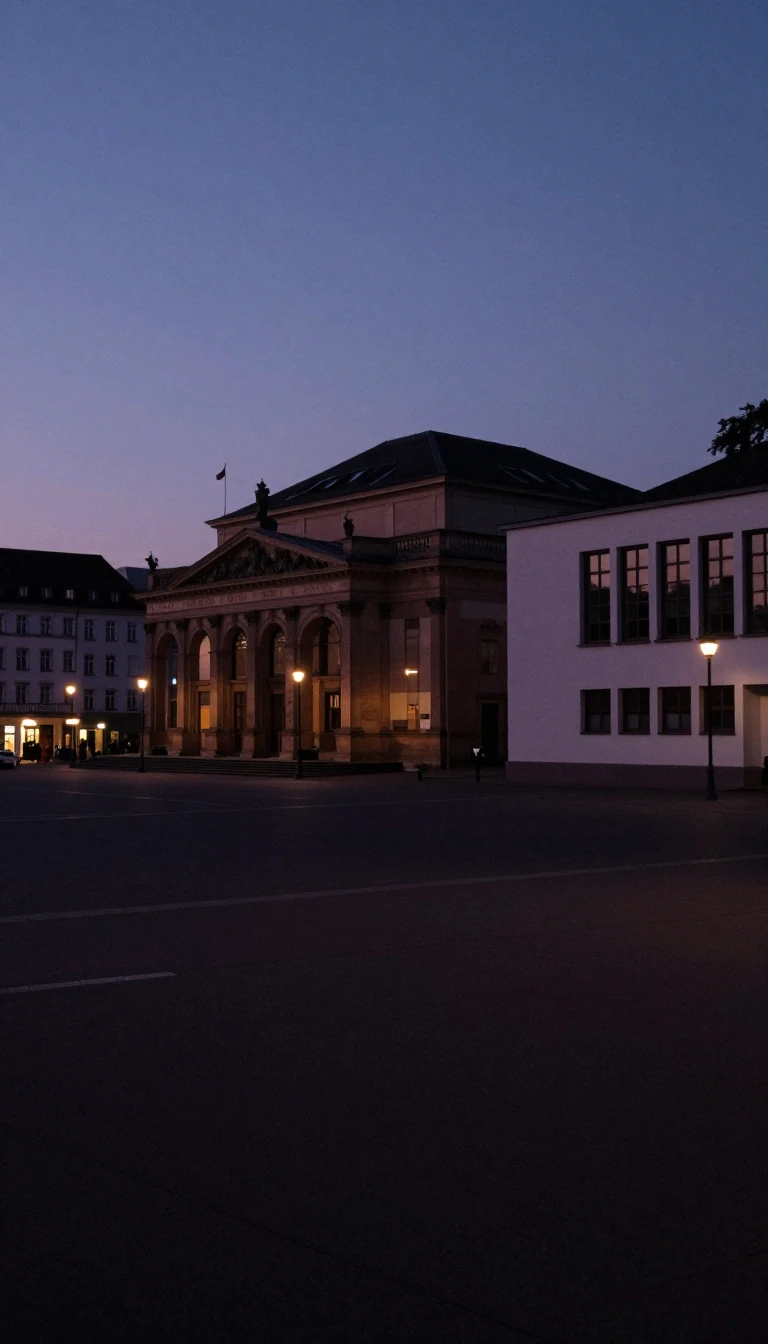
In short: Known as the cradle of the German Reich, this UNESCO-listed town boasts thousands of timber-framed houses and a history spanning over a millennium. Yet, beneath its Romanesque architecture and medieval charm lies a dark 20th-century chapter, where Nazi leaders attempted to transform its sacred sites into a nationalist shrine.
Quedlinburg, situated north of the Harz mountains, first emerged as a settlement in the early 9th century. By 922, it was formally recognized as a town, eventually becoming a pivotal center for the Ottonian dynasty. King Henry the Fowler, who legend claims was offered the German crown there in 919, established the town’s enduring legacy. Following his death in 936, his widow, Saint Matilda, founded a collegiate community for women on the castle hill, which served as a center for education and prayer for the Saxon emperors.
The town’s architectural preservation is exceptional, featuring around 2,000 timber-framed houses, including the 1347 Ständerbau, one of Germany's oldest structures. This density of medieval and Renaissance buildings earned Quedlinburg its status as a UNESCO World Heritage Site in 1994. The castle and the Stiftskirche St. Servatius remain dominant features, representing the pinnacle of German Romanesque style. These sites survived the destruction of World War II, allowing the town to retain its historical character.
During the Nazi era, Quedlinburg’s history was weaponized. Heinrich Himmler viewed himself as a reincarnation of Henry I, leading to plans to convert the collegiate church and castle into a shrine for the Third Reich. The town also hosted subcamps of the Buchenwald and Mittelbau-Dora concentration camps. In the final months of the war, Nazi officials forced 22 inmates to destroy Holocaust records in the local crematory before murdering them. Today, the town serves as a center for the restoration of Fachwerk houses, balancing its role as a living museum with the weight of its complex past.
Opens the Intellect+ feed with this card first. Swipe up for the next one.
Sources
- Summary by Intellect · source: Quedlinburg
- Also: Wikidata — Quedlinburg · CC0
To cite this card, link to https://intellectplus.co.uk/app/places-quedlinburg.
How we source, check and correct cards: Editorial standards.
General information, not professional advice. Spotted an error? Flag the card or see corrections and complaints.
Intellect Plus is a visual educational discovery platform for exploring fascinating facts and ideas. Brain Food, Not Brain Rot. What is Intellect Plus?
Related
More in World Heritage Sites · More in Countries & Cities · Latest · A–Z · All topics
