Why Finnish is a linguistic outlier in Europe and a survivor of history
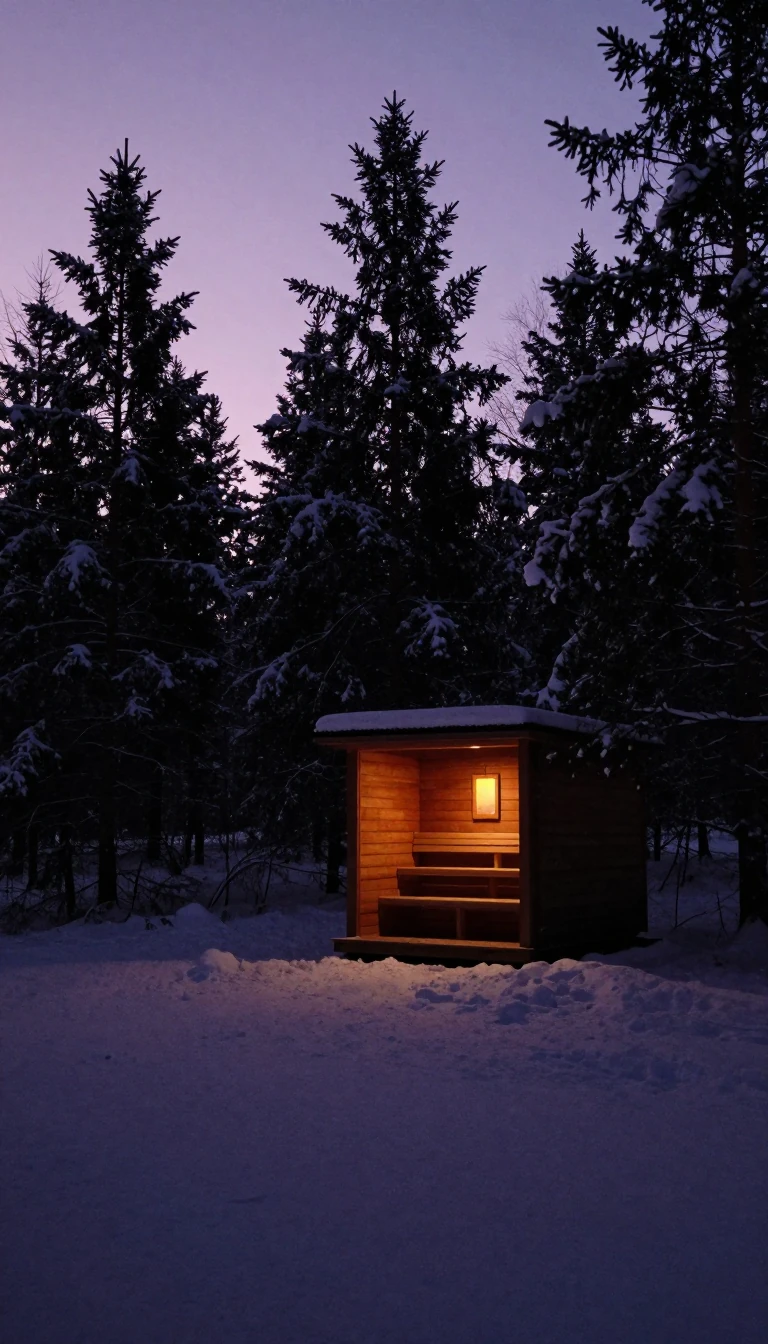
In short: Finnish is not Indo-European, making it a rare linguistic island in Europe. It belongs to the Uralic family, sharing ancient roots with Hungarian and Sami. Once suppressed under Swedish rule, it transformed from a spoken-only tongue into a modern, official language of the European Union through 19th-century nationalistic efforts.
Finnish is a member of the Uralic language family, which is hypothesized to have originated around the Ural Mountains or the middle Volga region between 8,000 and 2,000 BCE. Unlike most European languages, it is not Indo-European. It shares structural features with other Uralic languages, including specific case suffixes, possessive markers, and a basic vocabulary that shows regular sound correspondences with languages like Hungarian and North Saami.
For centuries, Finnish lacked official status. During Swedish rule, which ended in 1809, it was relegated to everyday life while Swedish served as the language of administration and Latin dominated religious ceremonies. The first comprehensive writing system was developed in the 16th century by Mikael Agricola, a bishop who based his work on western dialects. However, it was not until the 19th century that figures like Johan Vilhelm Snellman and Elias Lönnrot championed Finnish as a national language. Lönnrot, who compiled the Kalevala, was instrumental in balancing western and eastern dialect influences to create the modern standard.
The language is typologically agglutinative, relying heavily on suffixes to convey grammatical roles. Its orthography, derived from the Swedish alphabet, is largely phonemic, though it retains some quirks—such as the use of the letter 'd' in standard Finnish, which arose from a 'spelling pronunciation' of a sound that had largely disappeared from spoken dialects. Today, Finnish is spoken by about five million people, with official status in Finland and as a recognized minority language in Sweden and Norway, where related varieties like Meänkieli and Kven are spoken.
Opens the Intellect+ feed with this card first. Swipe up for the next one.
Sources
- Summary by Intellect · source: Finnish language
- Also: Wikidata — Finnish · CC0
- Also: Wikidata — Category:Finnish language · CC0
To cite this card, link to https://intellectplus.co.uk/app/places-finnish-language.
How we source, check and correct cards: Editorial standards.
General information, not professional advice. Spotted an error? Flag the card or see corrections and complaints.
Intellect Plus is a visual educational discovery platform for exploring fascinating facts and ideas. Brain Food, Not Brain Rot. What is Intellect Plus?
Related
More in Cities · More in Countries & Cities · Latest · A–Z · All topics
