How the First World War changed the way humanity buries its fallen soldiers
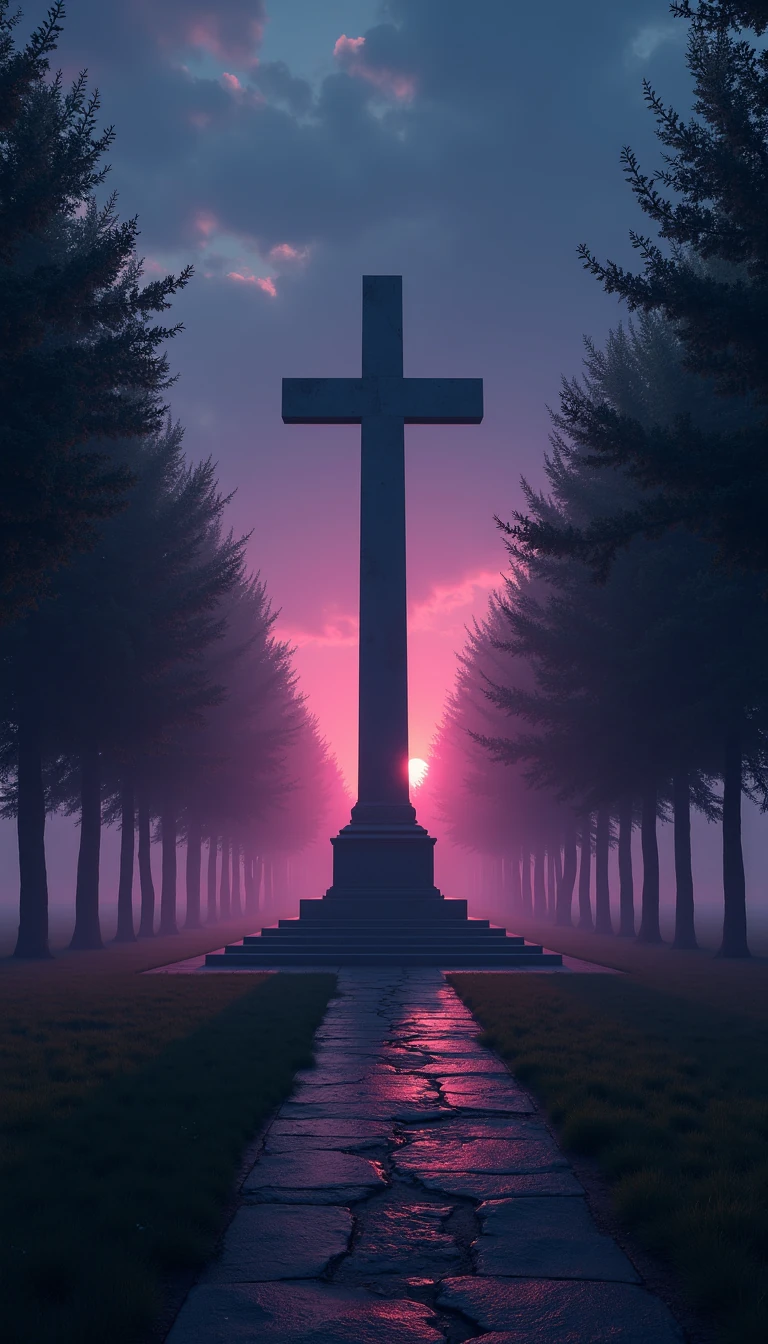
In short: Across 700 kilometers of the Western Front, 139 cemeteries and memorials stand as a UNESCO World Heritage site. These locations represent a historic shift in how nations treat the dead, establishing a new, universal standard for individual recognition that transcended rank, nationality, and belief during the industrialized conflict.
Designated by UNESCO on 20 September 2023, this transnational serial property encompasses a diverse array of sites, including battlefields, hospitals, and assembly areas. The Western Front, which stretched from the North Sea to the Franco-Swiss border, saw soldiers from over 130 present-day countries fight or serve alongside one another. The sheer scale of the trauma was unprecedented, as the war mobilized millions and resulted in more than two million burials in cemeteries and necropolises, with hundreds of thousands more remaining missing or unidentified.
The sites mark a pivotal moment in history: the institutionalization of a humanitarian approach to war dead. Before this era, the treatment of fallen soldiers was often inconsistent. During the First World War, a new practice emerged that prioritized the identification of the deceased and the creation of individual graves. This principle of equal treatment—regardless of social status, ethnicity, or religious belief—was initially carried out by comrades and civilians before being formalized by states. This shift was later codified in the 1929 Geneva Convention, which was signed by 47 states and established these practices as the legal norm for future conflicts.
Architecturally, these sites reflect a blend of national styles and transnational models, utilizing landscaping, spatial design, and decorative elements to express mourning. While individual graves are grouped in military cemeteries, those whose remains could not be identified are often commemorated in ossuaries or on monuments to the missing, where names are engraved in alphabetical lists. Today, these 139 locations serve as living sites of commemoration, fostering intergenerational dialogue and reflecting the geopolitical shifts of the 20th century. They remain powerful symbols of humanity's attempt to restore dignity to the victims of industrialized warfare and to pursue an ideal of peace.
Opens the Intellect+ feed with this card first. Swipe up for the next one.
Sources
- Summary by Intellect · source: Funerary and memory sites of the First World War (Western Front)
- Also: Funerary and memory sites of the First World War (Western Front)
To cite this card, link to https://intellectplus.co.uk/app/places-funerary-and-memory-sites-of-the-first-world-war-western-fro.
How we source, check and correct cards: Editorial standards.
General information, not professional advice. Spotted an error? Flag the card or see corrections and complaints.
Intellect Plus is a visual educational discovery platform for exploring fascinating facts and ideas. Brain Food, Not Brain Rot. What is Intellect Plus?
Related
More in World Heritage Sites · More in Countries & Cities · Latest · A–Z · All topics
