Why a Swedish town stopped growing in the 17th century to save its soul
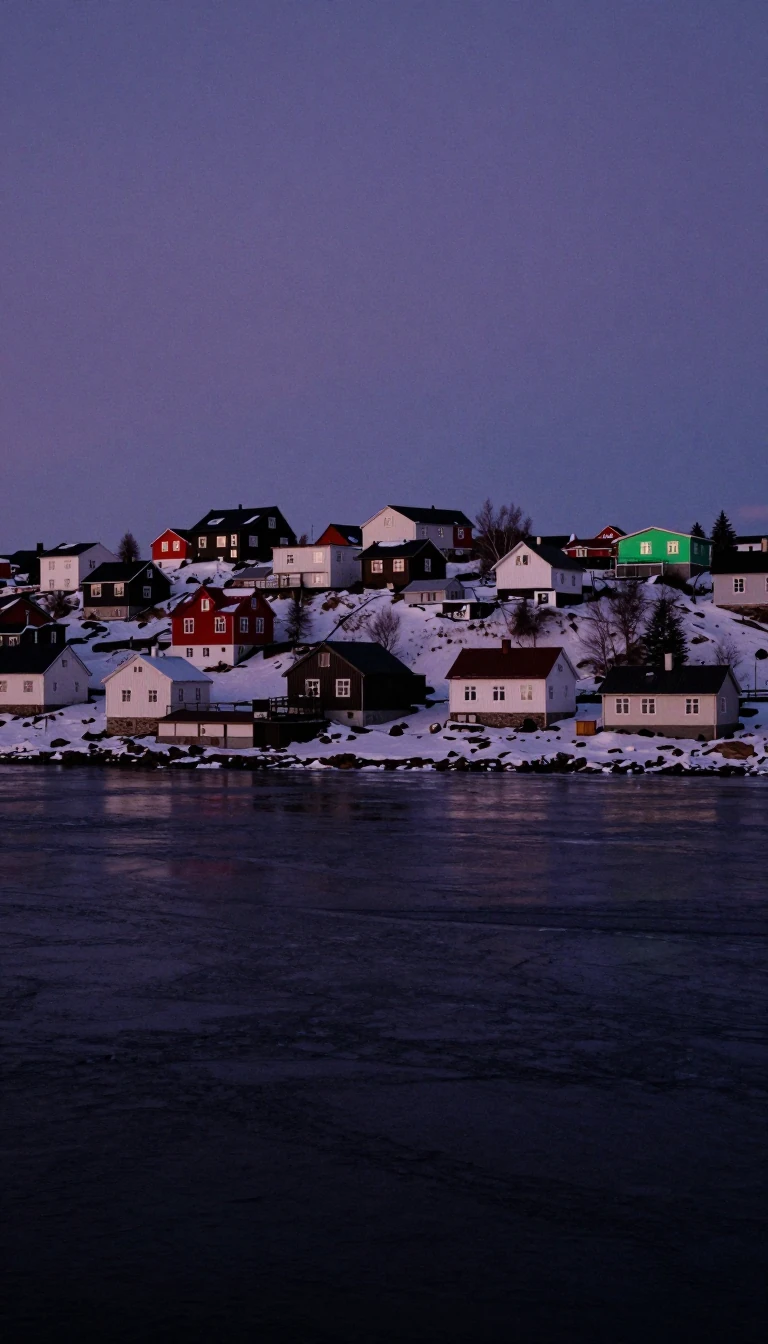
In short: Gammelstad Church Town is a rare, perfectly preserved relic of northern Scandinavia. While most settlements evolved into bustling mercantile hubs, Gammelstad was frozen in time by a geological quirk. Today, its hundreds of wooden cottages remain as a testament to a unique way of life shaped by faith, not commerce.
Located 10 kilometers upstream from the Lule River, Gammelstad was once a thriving trading hub. However, by the 17th century, natural land upheaval rendered its harbor unusable for commercial ships. This forced the local population to relocate their economic center to a new site, which they named Luleå. The original site, left behind, became known as Gammelstad, or Old Town. Because the town was bypassed by the industrialization that swept through the region in the 19th century, its medieval layout and organic growth were preserved in their entirety.
At the heart of the settlement sits a late 15th-century stone church, the only masonry building in the district. Surrounding it are 404 wooden cottages, which were historically used only on Sundays and during religious festivals. These structures provided essential overnight shelter for farmers traveling from the harsh, sparsely populated countryside. The town’s architecture was dictated by these social and religious needs rather than economic forces, creating a unique urban form that combined rural and urban life.
Today, the site contains 520 protected buildings, including the church cottages and various residences for officials and merchants. The town remains a functioning church town, a tradition that has persisted for four hundred years. Because the buildings are constructed from timber, they require constant maintenance to prevent rot, including regular snow clearance and structural surveys. UNESCO designated the site a World Heritage property in 1996, recognizing it as the best-preserved example of this nearly extinct Scandinavian settlement type.
The preservation of Gammelstad is not accidental; it is the result of strict planning regulations and a high degree of consciousness regarding authenticity in materials and form. From its radial road patterns to its 17th-century gridiron additions, the town serves as an outstanding example of how traditional design adapted to a hostile natural environment. It remains a living record of a social structure that has otherwise largely vanished from the Nordic landscape.
Opens the Intellect+ feed with this card first. Swipe up for the next one.
Sources
- Summary by Intellect · source: Gammelstad Church Town
- Also: Church Town of Gammelstad, Luleå;
- Also: Wikidata — Gammelstad Church Town · CC0
To cite this card, link to https://intellectplus.co.uk/app/places-gammelstad-church-town.
How we source, check and correct cards: Editorial standards.
General information, not professional advice. Spotted an error? Flag the card or see corrections and complaints.
Intellect Plus is a visual educational discovery platform for exploring fascinating facts and ideas. Brain Food, Not Brain Rot. What is Intellect Plus?
Related
More in World Heritage Sites · More in Countries & Cities · Latest · A–Z · All topics
