Beyond the Bratwurst: The vast, regulated world of German culinary tradition
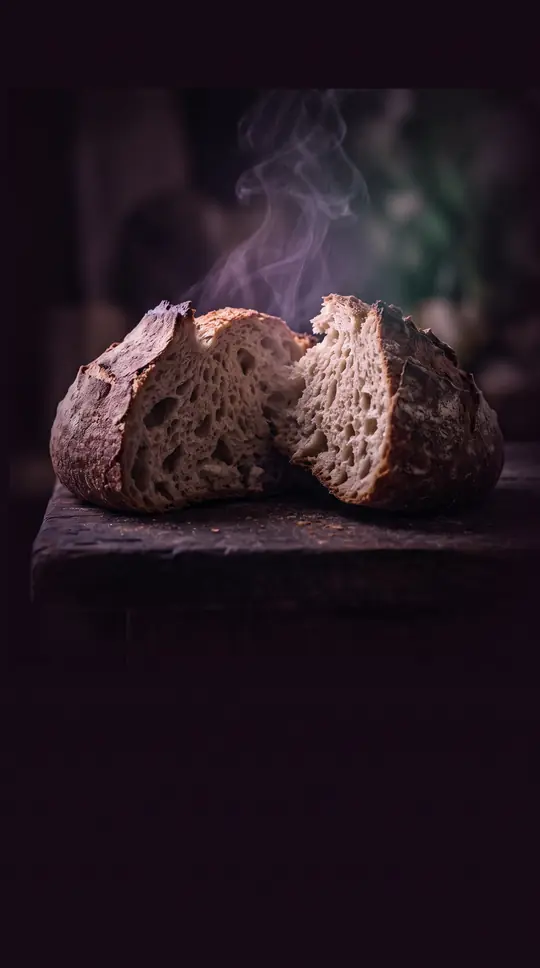
In short: Germany is home to the world's greatest bread diversity, with 3,000 varieties produced in 13,000 bakeries. But the nation's food identity is much more than just hearty staples; it is a complex web of regional histories, strict medieval regulations, and seasonal rituals.
German cuisine is a mosaic of regional identities shaped by the country's federal history. While the north shares influences with Denmark, such as potato salad, the south—including Bavaria and Swabia—shares deep culinary ties with Austria and Switzerland. This interconnectedness extends across Central Europe, influencing the traditions of Poland, the Czech Republic, and even the ethnic German minorities in Romania and Hungary.
The nation's famous sausage culture, or Wurst, is governed by a legacy of strict regulation. As far back as the 1236 market ordinance of Landshut, laws mandated that only top-quality meat could be used for sausages. Today, over 1,500 varieties exist, ranging from the spiced, ground pork Bratwurst to the blood-based Blutwurst. These sausages are often encased in natural pig, sheep, or lamb intestines, reflecting a long-standing tradition of utilizing every part of the animal.
Seasonal rhythms also dictate the German table. The 'Spargelzeit' (asparagus season) is a major event, running from mid-April to June 24, with a particular focus on white asparagus. Similarly, the winter months bring a specialized array of 'Weihnachtsgebäck'—Christmas baked goods like Stollen and Lebkuten. Even the landscape plays a role; while salmon once thrived in the Rhine, Elbe, and Oder rivers, industrial-era pollution forced a decline, though environmental efforts are helping them slowly return.
While meat consumption remains significant, with an average of 59.7 kg per person annually, the modern German diet is diversifying. While traditional methods like braising and marinating—seen in the vinegar-soaked Sauerbraten—remain staples, there is a growing popularity for vegetarian dishes, salads, and international influences like garlic and Mediterranean herbs that have risen in prominence since the 1980s.
Opens the Intellect+ feed with this card first. Swipe up for the next one.
Sources
- Summary by Intellect · source: German cuisine
- Also: Wikidata — German cuisine · CC0
To cite this card, link to https://intellectplus.co.uk/app/places-german-cuisine.
How we source, check and correct cards: Editorial standards.
General information, not professional advice. Spotted an error? Flag the card or see corrections and complaints.
Intellect Plus is a visual educational discovery platform for exploring fascinating facts and ideas. Brain Food, Not Brain Rot. What is Intellect Plus?
Related
More in Countries and other regions · More in Countries & Cities · Latest · A–Z · All topics
