The Ghaghara River is a vital, ancient waterway that sustains both ecosystems and legends.
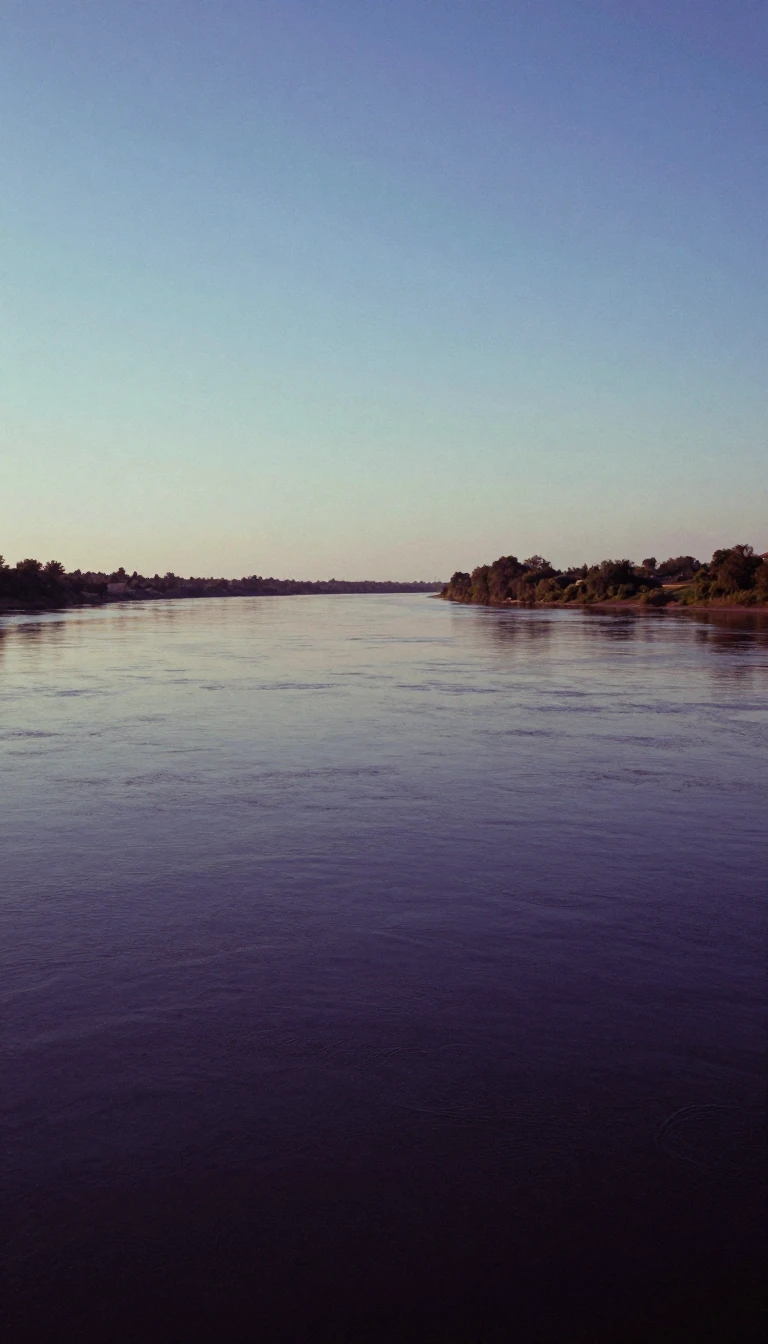
In short: Originating in the Tibetan Himalayas, the Ghaghara—known as the Karnali in Nepal—is the largest tributary of the Ganges by volume. This trans-boundary river supports endangered species, powers massive irrigation networks, and holds deep religious significance, serving as a backdrop for ancient epics and modern literary landscapes alike.
The Ghaghara is a complex hydrological system that spans 1,080 kilometres from its source in the glaciers of Mapchachungo to its confluence with the Ganges at Revelganj. As it descends from the Tibetan Plateau, it cuts through the Sivalik Hills, exposing geological formations dating back 16 million to 5.2 million years. Its basin, covering 127,950 square kilometres, is a critical refuge for biodiversity, including the endangered Ganges river dolphin, which maintains its farthest upstream population in this river. However, this population faces severe threats from habitat degradation and proposed dam construction.
Beyond its ecological importance, the river has long served as a lifeline for human activity. Historically, the lower reaches of the Ghaghara were vital trade routes for timber, indigo, and grains, navigated by cargo boats until the expansion of railways in the late 19th century rendered water transport less significant. Today, the river is central to the Sarda Sahayak Irrigation Project, the largest canal system in Asia, which provides water to 14 districts across 20,000 square kilometres of land. This system is carefully managed, with water supplies suspended for 100 days annually between June and October to account for high silt flows during the monsoon.
Culturally, the river is deeply embedded in the Indian consciousness. Known as the Sarayu in the city of Ayodhya, it is frequently mentioned in the Ramayana as the site where the deity Rama and his followers attained salvation. This name has transcended its geographic roots, appearing in the fictional town of Malgudi by R. K. Narayan and as a personification in William P. Young's The Shack. Whether viewed as an industrial resource, a biological sanctuary, or a sacred boundary, the Ghaghara remains a defining feature of the landscape it traverses.
Opens the Intellect+ feed with this card first. Swipe up for the next one.
Sources
- Summary by Intellect · source: Ghaghara
- Also: Wikidata — Ghaghara River · CC0
To cite this card, link to https://intellectplus.co.uk/app/places-ghaghara.
How we source, check and correct cards: Editorial standards.
General information, not professional advice. Spotted an error? Flag the card or see corrections and complaints.
Intellect Plus is a visual educational discovery platform for exploring fascinating facts and ideas. Brain Food, Not Brain Rot. What is Intellect Plus?
Related
More in Bodies of water · More in Countries & Cities · Latest · A–Z · All topics
