The Ravi River: A Himalayan lifeline now at the center of a geopolitical shift.
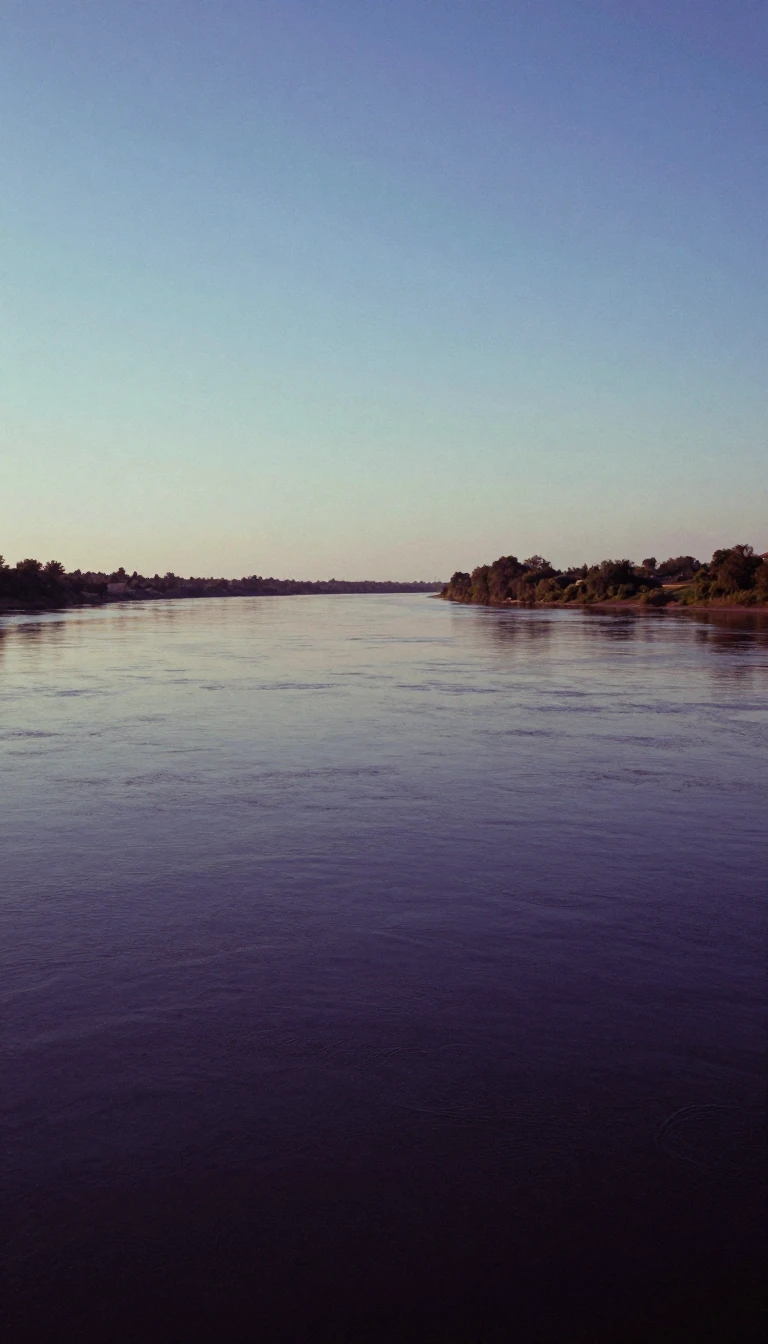
In short: Flowing from the Himalayas to the Arabian Sea, the Ravi River has been a vital artery for South Asia since Vedic times. Once shared through a landmark 1960 treaty, the river is currently undergoing a dramatic transformation as India moves to assert full control over its waters.
Originating in the Bara Bhangal region of Himachal Pradesh, the Ravi is a perennial river that carves through the Dhauladhar and Pir Panjal ranges. Known in ancient Sanskrit texts as Irāvatī and to the Greeks as Hydraotes, the river has long defined the landscape of the Punjab region. It flows for approximately 720 to 725 kilometers, eventually joining the Chenab River in Pakistan. Along its path, it supports diverse ecosystems, including forests of deodar, walnut, and chinar, while serving as a critical water source for agriculture and urban centers like Lahore.
The river's modern history is dominated by the 1960 Indus Waters Treaty, which allocated the Ravi, Beas, and Sutlej rivers to India. Despite the geopolitical tensions between India and Pakistan, this treaty has remained remarkably resilient, surviving multiple wars. However, the river's management remains complex. Within India, the river's waters are subject to ongoing disputes between states like Punjab, Haryana, and Jammu and Kashmir, often requiring intervention from the Supreme Court and specialized tribunals. These internal conflicts have stalled major infrastructure projects, such as the Sutlej Yamuna Link canal.
Environmental and political pressures are now reshaping the river's future. Satellite studies have shown the river shifting its course by nearly 4.8 kilometers toward India, a change attributed to river-training structures built in Pakistan. Simultaneously, the river faces severe pollution, with recent reports identifying it as one of the most contaminated globally, carrying pharmaceutical residues and industrial waste. In a significant escalation of regional water dynamics, India completed the Shahpur Kandi Barrage in February 2024 and, by March 1, 2025, officially halted the flow of Ravi water into Pakistan, ending a 45-year period of shared usage.
The river also holds significant untapped hydropower potential, estimated at 2,294 MW, with major installations like the Ranjit Sagar Dam and the Chamera projects already in operation. As India moves to maximize its water rights, the Ravi stands as a stark example of how geography, history, and modern policy collide to dictate the fate of a transboundary resource.
Opens the Intellect+ feed with this card first. Swipe up for the next one.
Sources
- Summary by Intellect · source: Ravi River
- Also: Wikidata — Ravi River · CC0
To cite this card, link to https://intellectplus.co.uk/app/places-ravi-river.
How we source, check and correct cards: Editorial standards.
General information, not professional advice. Spotted an error? Flag the card or see corrections and complaints.
Intellect Plus is a visual educational discovery platform for exploring fascinating facts and ideas. Brain Food, Not Brain Rot. What is Intellect Plus?
Related
More in Bodies of water · More in Countries & Cities · Latest · A–Z · All topics
