Brussels' Grand-Place was once a marshy marketplace that survived a massive French bombardment
In short: The Grand-Place is the heart of Brussels, a UNESCO World Heritage site defined by opulent guildhalls and a storied Town Hall. Though it began as a simple 11th-century market on a dried-up marsh, it has endured centuries of political upheaval, tragic executions, and near-total destruction by French artillery in 1695.
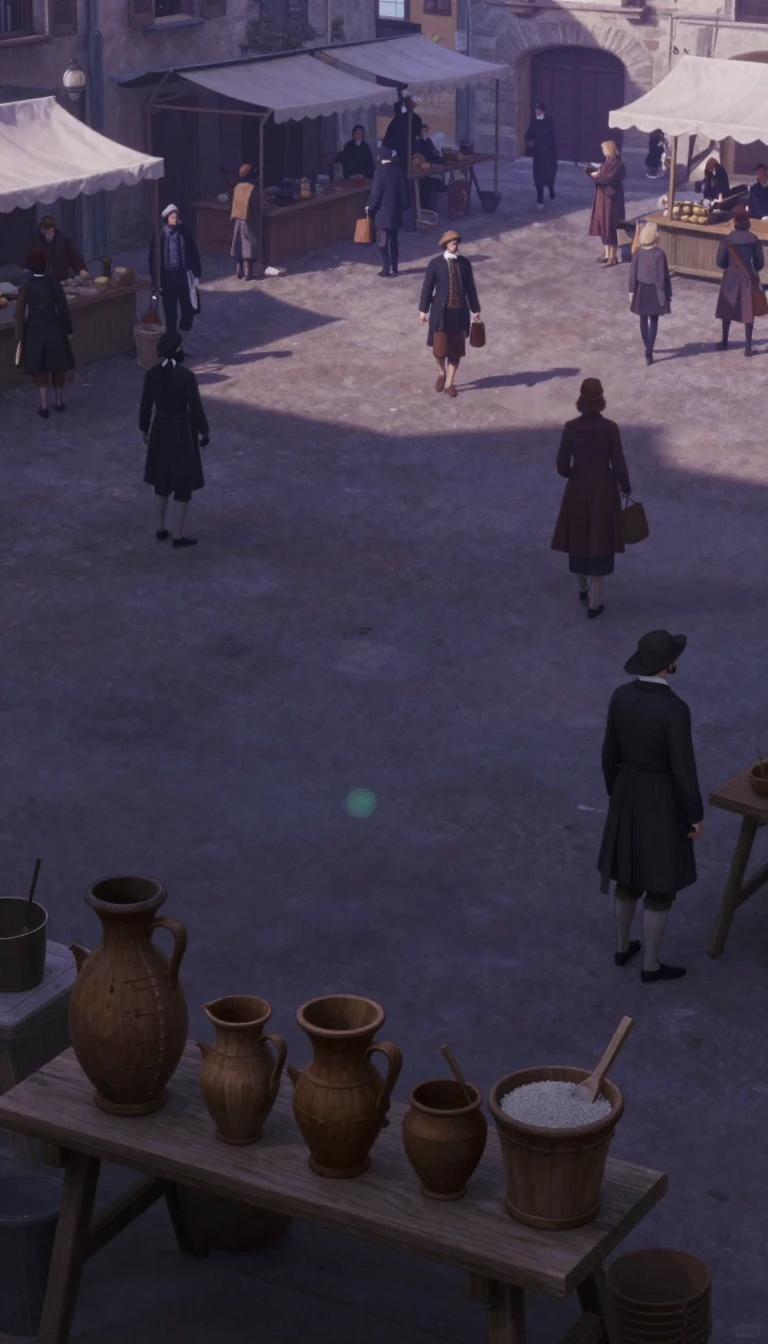
The square's origins trace back to the 10th century when a fort was built on Saint-Géry Island. By the late 11th century, a marketplace known as the Nedermerckt emerged on a nearby marsh. Over the following centuries, the site evolved into a political and economic hub, with the construction of meat, bread, and cloth markets. The iconic Town Hall, the square's only surviving medieval building, was erected in stages between 1401 and 1455. Its asymmetrical design, featuring a 96-metre tower topped by a statue of Saint Michael, has long been the subject of legends regarding the architect's supposed suicide.
In 1695, the square faced its greatest catastrophe during the Nine Years' War. French troops under Marshal de Villeroy launched a massive bombardment, flattening most of the city centre. The Town Hall's stone shell was one of the few structures to remain standing. Rebuilding efforts were swift and strictly regulated by city authorities, resulting in the harmonious blend of Gothic, Baroque, and Louis XIV styles visible today. The square continued to serve as a marketplace until 1959 and was later pedestrianised in 1990, cementing its status as a premier tourist destination.
Beyond its architecture, the Grand-Place has been a site of significant historical events, including the 1523 execution of Protestant martyrs and the 1568 beheading of the Counts of Egmont and Horn, which sparked revolt against Spanish rule. In the 19th century, it hosted figures like Victor Hugo and Karl Marx, the latter of whom wrote The Communist Manifesto nearby. Today, the square is famous for its biannual Flower Carpet, which uses nearly a million begonias or dahlias to create a massive floral tapestry, and its annual Winter Wonders celebrations.
Opens the Intellect+ feed with this card first. Swipe up for the next one.
Sources
- Summary by Intellect · source: Grand-Place
- Also: Wikidata — Grand-Place · CC0
- Also: Wikidata — grand'place · CC0
To cite this card, link to https://intellectplus.co.uk/app/places-grand-place.
How we source, check and correct cards: Editorial standards.
General information, not professional advice. Spotted an error? Flag the card or see corrections and complaints.
Intellect Plus is a visual educational discovery platform for exploring fascinating facts and ideas. Brain Food, Not Brain Rot. What is Intellect Plus?
Related
More in World Heritage Sites · More in Countries & Cities · Latest · A–Z · All topics
