How a Brussels municipality became a vibrant crossroads of African culture and history
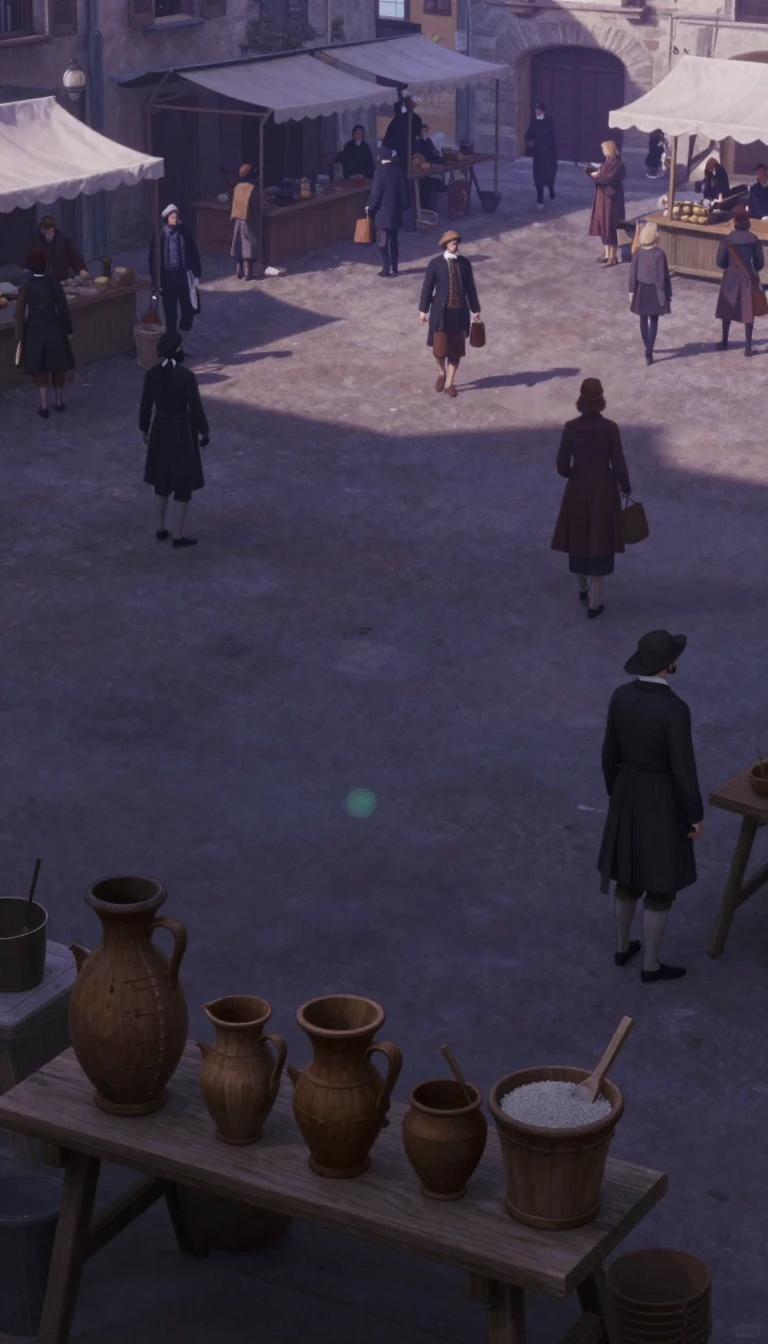
In short: Ixelles is a Brussels municipality defined by its unusual geography and deep cultural layers. Once a collection of marshland hamlets, it evolved into an affluent urban center. Today, it is best known for Matongé, a bustling district that serves as a historic hub for the city's Sub-Saharan African community.
The origins of Ixelles trace back to 1201, when the Duke of Brabant donated land to the Cistercian nun Gisela for the foundation of La Cambre Abbey. By the 17th century, the area was a thriving center for brewing, fueled by the purity of local Maelbeek springs. However, the municipality's modern shape was dictated by 19th-century urban planning. In 1864, the City of Brussels annexed a narrow strip of land to construct the monumental Avenue Louise, effectively bisecting Ixelles into two distinct parts.
The district of Matongé, located near the Namur Gate, emerged as a cultural landmark in the late 1950s. It began with the establishment of Maisaf, a residence for students from the Belgian Congo. Following Congolese independence in 1960, the area saw a significant influx of immigrants who transformed the neighborhood, naming it after a commercial district in Kinshasa. Over the decades, Matongé has become a symbol of multiculturalism, hosting residents from over 45 nationalities, including communities from Rwanda, Mali, and Cameroon.
Despite its status as a fashionable area known for Art Nouveau architecture and university campuses, Ixelles has faced complex challenges. In the early 2000s, the area gained notoriety for gang violence and race riots in January 2001. Today, however, local authorities and community groups have worked to re-establish the district as a safe, vibrant destination. It remains a unique urban space, caught between the expansion of the European Quarter and the historic prestige of the Avenue Louise, while continuing to celebrate its heritage through events like the annual Matongé en Couleurs festival.
Opens the Intellect+ feed with this card first. Swipe up for the next one.
Sources
- Summary by Intellect · source: Ixelles
To cite this card, link to https://intellectplus.co.uk/app/places-ixelles.
How we source, check and correct cards: Editorial standards.
General information, not professional advice. Spotted an error? Flag the card or see corrections and complaints.
Intellect Plus is a visual educational discovery platform for exploring fascinating facts and ideas. Brain Food, Not Brain Rot. What is Intellect Plus?
Related
More in Capital cities · More in Countries & Cities · Latest · A–Z · All topics
