Grodno: The royal city that survived centuries of shifting borders and brutal occupations
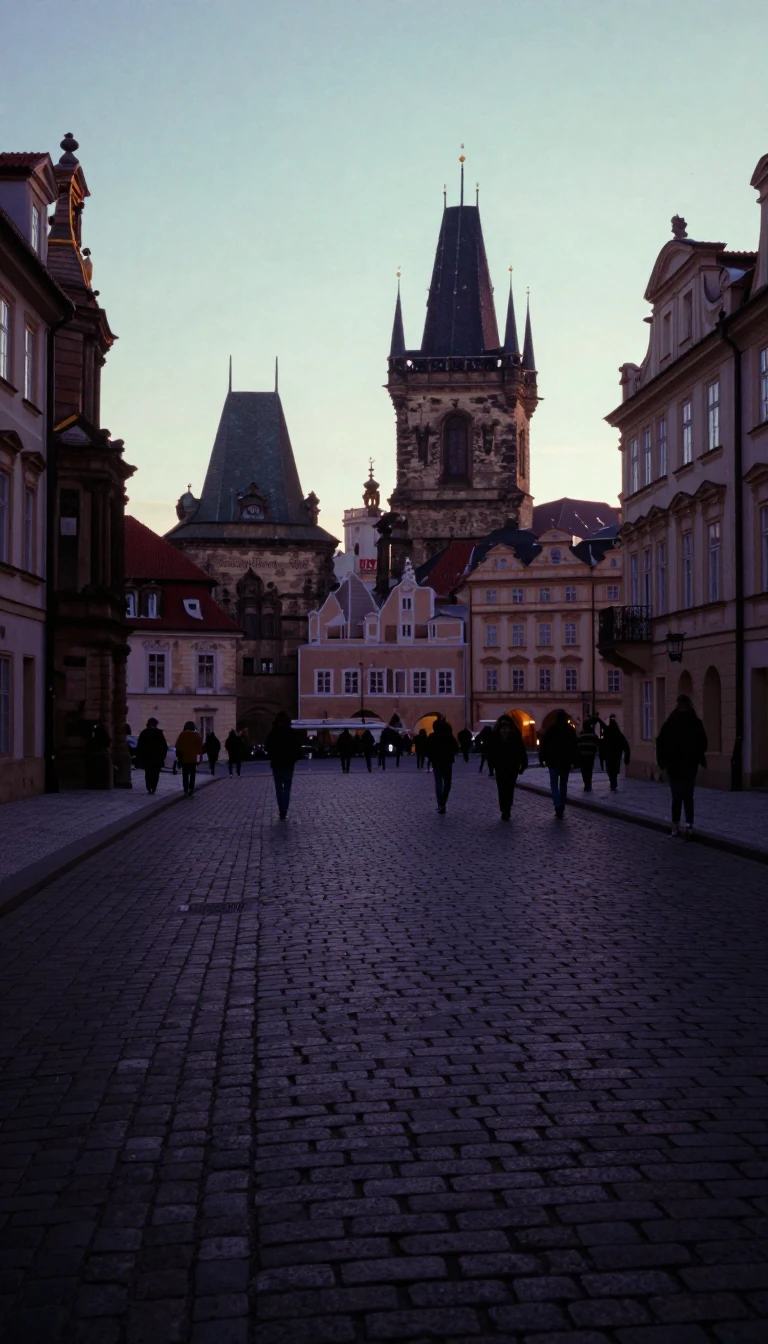
In short: Located on the Neman River, Grodno has served as a royal residence for Polish kings and a strategic prize for empires. From its 12th-century origins as a fortress to its modern identity in Belarus, this city has weathered invasions, partitions, and the tragic destruction of its once-vibrant Jewish community.
Founded in 1128, Grodno emerged as a vital trading outpost and fortress on the Neman River. Its strategic location made it a focal point for the Grand Duchy of Lithuania and the Polish-Lithuanian Commonwealth. At its height in the 1580s, the city functioned as the de facto capital of the Commonwealth under King Stephen Báthory, who transformed the Old Grodno Castle into a grand royal residence. Throughout the centuries, Grodno was a melting pot of cultures, hosting a significant Jewish population that began settling there in the 14th century under the protection of Grand Duke Vytautas.
The city's history is defined by the violence of shifting borders. Annexed by the Russian Empire in 1795 following the Third Partition of Poland, Grodno later endured the chaos of the World Wars. During the Soviet and Nazi occupations of the 1940s, the city's Jewish community was systematically destroyed in ghettos and extermination camps, with deportations to Treblinka and Auschwitz. Post-war Soviet policies further altered the city's character, leading to the demolition of historic landmarks like the 16th-century Town Hall and the 14th-century Vytautas' Church to make way for modern infrastructure.
Today, Grodno remains a center for Roman Catholicism and Polish culture within Belarus. While reconstruction efforts began in 2005, they have faced intense criticism from preservationists who argue that modern projects lack historical authenticity and have damaged the city's remaining cultural layers. Despite these losses, Grodno retains the largest ensemble of historical architecture in Belarus. It stands as a complex, layered testament to a past where royal grandeur and cultural diversity were repeatedly tested by the volatile politics of Eastern Europe.
Opens the Intellect+ feed with this card first. Swipe up for the next one.
Sources
- Summary by Intellect · source: Grodno
To cite this card, link to https://intellectplus.co.uk/app/places-grodno.
How we source, check and correct cards: Editorial standards.
General information, not professional advice. Spotted an error? Flag the card or see corrections and complaints.
Intellect Plus is a visual educational discovery platform for exploring fascinating facts and ideas. Brain Food, Not Brain Rot. What is Intellect Plus?
Related
More in Europe and Russia · More in Countries & Cities · Latest · A–Z · All topics
