How a tiny patch of Cuba became the oldest overseas American naval base
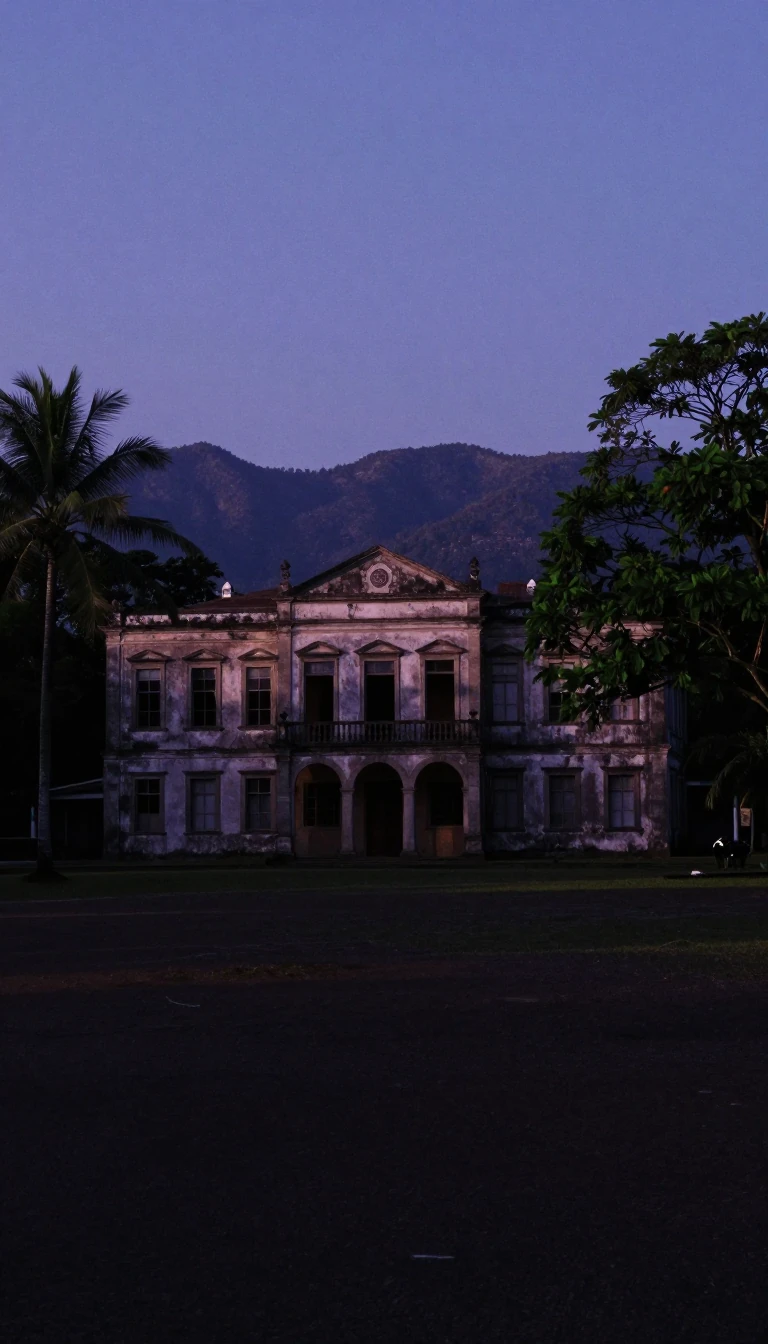
In short: Guantanamo Bay Naval Base is a unique anomaly in international relations. Occupying 45 square miles of Cuban territory, this U.S. military installation has existed since 1903 under a perpetual lease. It remains the only American base in a socialist country, defined by decades of geopolitical tension and physical isolation.
Established in 1903 following the Spanish-American War, the base was secured through the Platt Amendment, which granted the United States land for coaling and naval stations. While Cuba retains ultimate sovereignty over the area, the lease agreement grants the U.S. sole jurisdiction. This arrangement has no fixed expiration date and requires either bilateral consent or full military withdrawal to terminate, a condition that has fueled persistent diplomatic friction since the 1959 Cuban Revolution.
The physical boundary of the base is marked by the Cactus Curtain, a defensive perimeter established in the 1960s. At its height, this no man's land featured the largest minefield in the Western Hemisphere, with approximately 55,000 anti-personnel and anti-tank mines laid by both U.S. and Cuban forces. Although the U.S. demined its side in 1996, replacing the explosives with advanced sensors, the Cuban government has maintained its corresponding minefield outside the perimeter. This stark separation reflects the broader history of the site, which has served as a flashpoint for Cold War crises, including the 1962 evacuation of military families during the Cuban Missile Crisis.
Beyond its military function, the base has become a focal point for debates over civil liberties. Since 2002, it has housed a detention camp for alleged unlawful combatants, leading to significant legal scrutiny. The 2008 Supreme Court decision in Boumediene v. Bush was a landmark moment, affirming that detainees possess the constitutional right to challenge their detention via habeas corpus. Today, the base operates with a population of about 6,100 people, including military personnel and civilian employees. Despite its contentious status and the Cuban government's formal demands for its return, the installation continues to function as a self-sustaining community, complete with its own infrastructure, such as a wind-power project that significantly reduces reliance on diesel fuel.
The base’s history is further layered by its geography and past. From the Taíno people who originally inhabited the region to the 1494 arrival of Christopher Columbus, the bay has seen centuries of transition. Today, the base remains a site of historical preservation, housing the Cuzco Wells Cemetery, where over 350 individuals are buried, including victims of World War II naval engagements.
Opens the Intellect+ feed with this card first. Swipe up for the next one.
Sources
- Summary by Intellect · source: Guantanamo Bay Naval Base
- Also: Wikidata — Guantanamo Bay Naval Base · CC0
- Also: Wikidata — Guantanamo Bay Naval Base Weathers Three Assaults By Hurricane Flora, Guantanamo Bay, Cuba (NAID 102044834) · CC0
To cite this card, link to https://intellectplus.co.uk/app/places-guantanamo-bay-naval-base.
How we source, check and correct cards: Editorial standards.
General information, not professional advice. Spotted an error? Flag the card or see corrections and complaints.
Intellect Plus is a visual educational discovery platform for exploring fascinating facts and ideas. Brain Food, Not Brain Rot. What is Intellect Plus?
Related
More in Countries and other regions · More in Countries & Cities · Latest · A–Z · All topics
