A perpetual lease on a Cuban bay: how a naval base became a global symbol
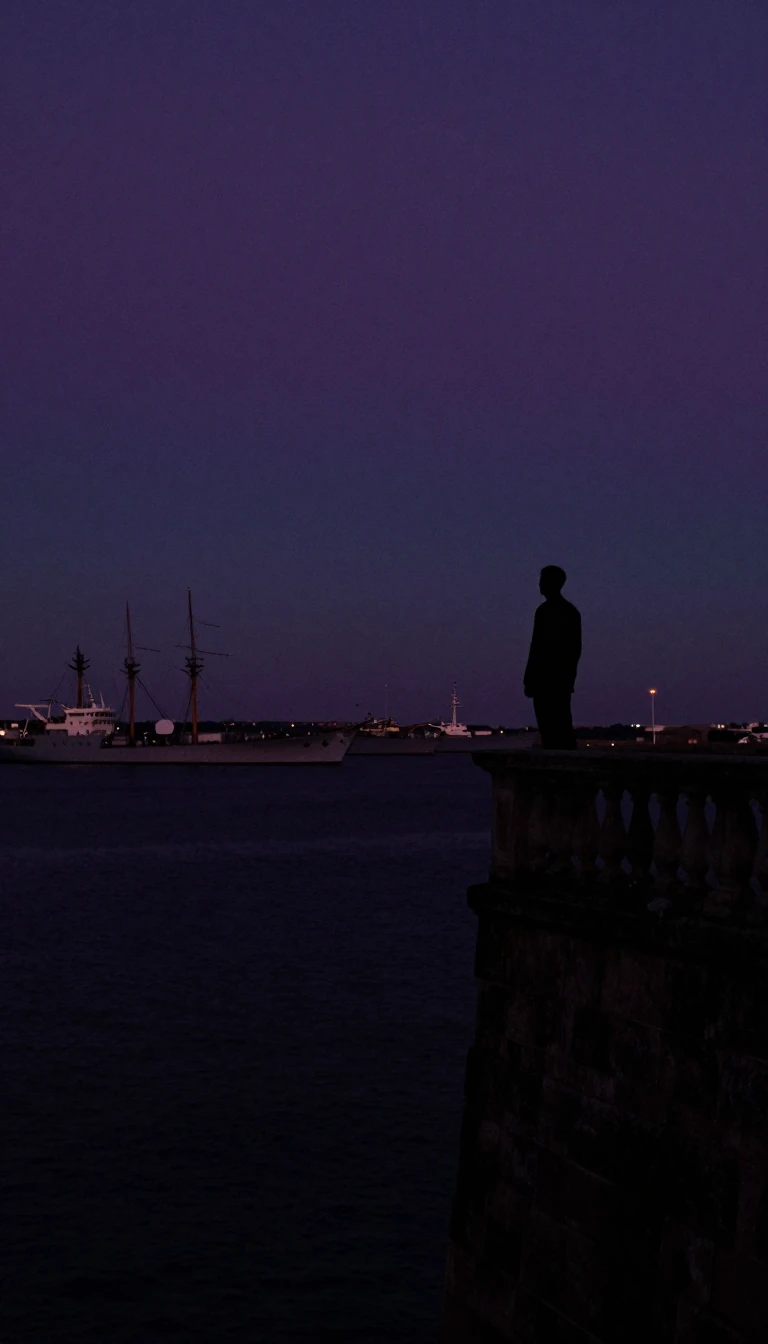
In short: Guantánamo Bay is more than a detention center; it is a strategic enclave held by the United States since 1903. While Cuba retains ultimate sovereignty, the U.S. maintains complete jurisdiction over the 116-square-kilometre base. This unique legal arrangement has survived revolutions, cold wars, and decades of international controversy.
The United States first seized the bay during the 1898 Spanish–American War, valuing its geography as a natural harbor and a strategic point for defending the Panama Canal and the southern U.S. coast. Following the conflict, the 1903 lease agreement, tied to the Platt Amendment, granted the U.S. permanent control. By 1934, this lease was reaffirmed and made perpetual unless both nations agree to terminate it or the U.S. abandons the property. The financial terms remain frozen in time; the U.S. pays $4,085 annually, though the Cuban government has largely refused to cash these checks since the 1959 revolution, viewing the base's presence as an affront to its sovereignty.
Beyond its naval function, the site has served as a processing center for refugees and a detention facility. In the 1990s, the U.S. interned over 30,000 Haitian asylum-seekers at the base, housing many in a tent city on a repurposed airstrip. Following the September 11, 2001, terrorist attacks, the facility evolved into a detention camp for individuals deemed risks to national security. This shift became a focal point of the global war on terrorism, drawing intense criticism for the detention of suspects without trial and the use of controversial interrogation methods.
The legal status of the base remains a subject of debate. Scholars like Alfred-Maurice de Zayas have argued the 1903 treaty was signed under duress and is incompatible with modern international law. However, the Vienna Convention on the Law of Treaties does not apply retroactively to such agreements. Despite executive orders from President Barack Obama to close the detention camp in 2009, congressional funding restrictions kept it operational. As of 2026, fifteen men remain held at the facility, while recent political rhetoric suggests the site may continue to serve as a hub for migrant detention, echoing practices employed by the U.S. over previous decades.
Opens the Intellect+ feed with this card first. Swipe up for the next one.
Sources
- Summary by Intellect · source: Guantánamo Bay
To cite this card, link to https://intellectplus.co.uk/app/culture-guant-namo-bay.
How we source, check and correct cards: Editorial standards.
General information, not professional advice. Spotted an error? Flag the card or see corrections and complaints.
Intellect Plus is a visual educational discovery platform for exploring fascinating facts and ideas. Brain Food, Not Brain Rot. What is Intellect Plus?
Related
More in US culture · More in Cultures · Latest · A–Z · All topics
