Why did Eurasian civilizations conquer the world instead of being conquered by others?
In short: Jared Diamond argues that global inequality is not a product of intellectual or genetic superiority. Instead, he posits that the rise of Eurasian dominance was driven by environmental factors, specifically the early development of agriculture, which provided the technological and immunological advantages that allowed these societies to expand across the globe.
Published in 1997, Jared Diamond’s Guns, Germs, and Steel explores why Eurasian and North African societies achieved global dominance. Diamond rejects theories of inherent human superiority, arguing instead that geography dictated the trajectory of human history. The core of his thesis rests on the transition from nomadic hunter-gatherer life to stable, agrarian societies, which required specific environmental preconditions: access to storable, high-carbohydrate crops and animals suitable for domestication.
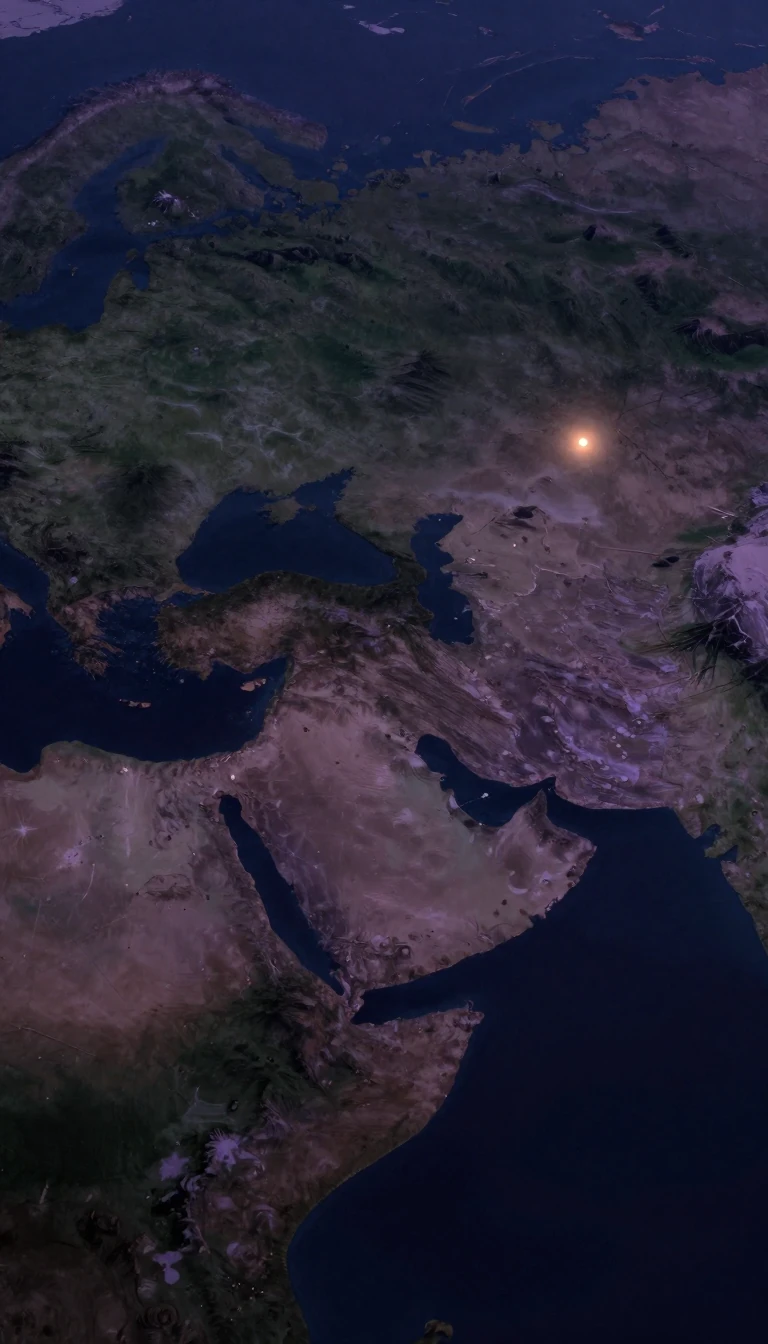
Eurasia possessed a unique geographical advantage: an east-west continental axis. This orientation allowed crops, livestock, and technologies to spread rapidly across similar latitudes, maintaining consistent climates and seasonal cycles. In contrast, the north-south alignment of the Americas and Africa created ecological barriers that hindered the movement of domesticated species. Consequently, Eurasian populations benefited from a greater variety of domesticable plants and animals, such as wheat, barley, cattle, and horses, which supported dense populations and specialized labor.
This dense, sedentary lifestyle, combined with close proximity to livestock, facilitated the evolution of epidemic diseases like smallpox and measles. Over centuries, Eurasians developed natural immunity to these pathogens. When European colonialists later encountered indigenous populations in the Americas, Australia, and Africa, these diseases decimated local societies, often killing up to 95% of the inhabitants. This biological imbalance, alongside superior weaponry and organized state structures, enabled relatively small groups of Europeans to maintain dominance over vast territories.
While the book won the 1998 Pulitzer Prize and received praise for its interdisciplinary synthesis, it has faced academic scrutiny. Critics, including economic historian Joel Mokyr, argue that Diamond downplays human agency and the potential for technological innovation in non-Eurasian regions. Others note that while the book provides a compelling ecological framework, it sometimes relies on broad generalizations. Despite these debates, the work remains a foundational text for understanding the long-term environmental preconditions that shaped modern global power structures.
Opens the Intellect+ feed with this card first. Swipe up for the next one.
Sources
- Summary by Intellect · source: Guns, Germs, and Steel
- Also: Guns, Germs, and Steel | Summary, Criticism, Awards, & Jared Diamond | Britannica
- Also: Wikidata — Guns, Germs, and Steel · CC0
- Also: Wikidata — Guns, Germs, and Steel · CC0
To cite this card, link to https://intellectplus.co.uk/app/places-guns-germs-and-steel.
How we source, check and correct cards: Editorial standards.
General information, not professional advice. Spotted an error? Flag the card or see corrections and complaints.
Intellect Plus is a visual educational discovery platform for exploring fascinating facts and ideas. Brain Food, Not Brain Rot. What is Intellect Plus?
Related
More in Basics · More in Countries & Cities · Latest · A–Z · All topics
