How the vast Eurasian landmass shaped the rise and fall of human civilizations
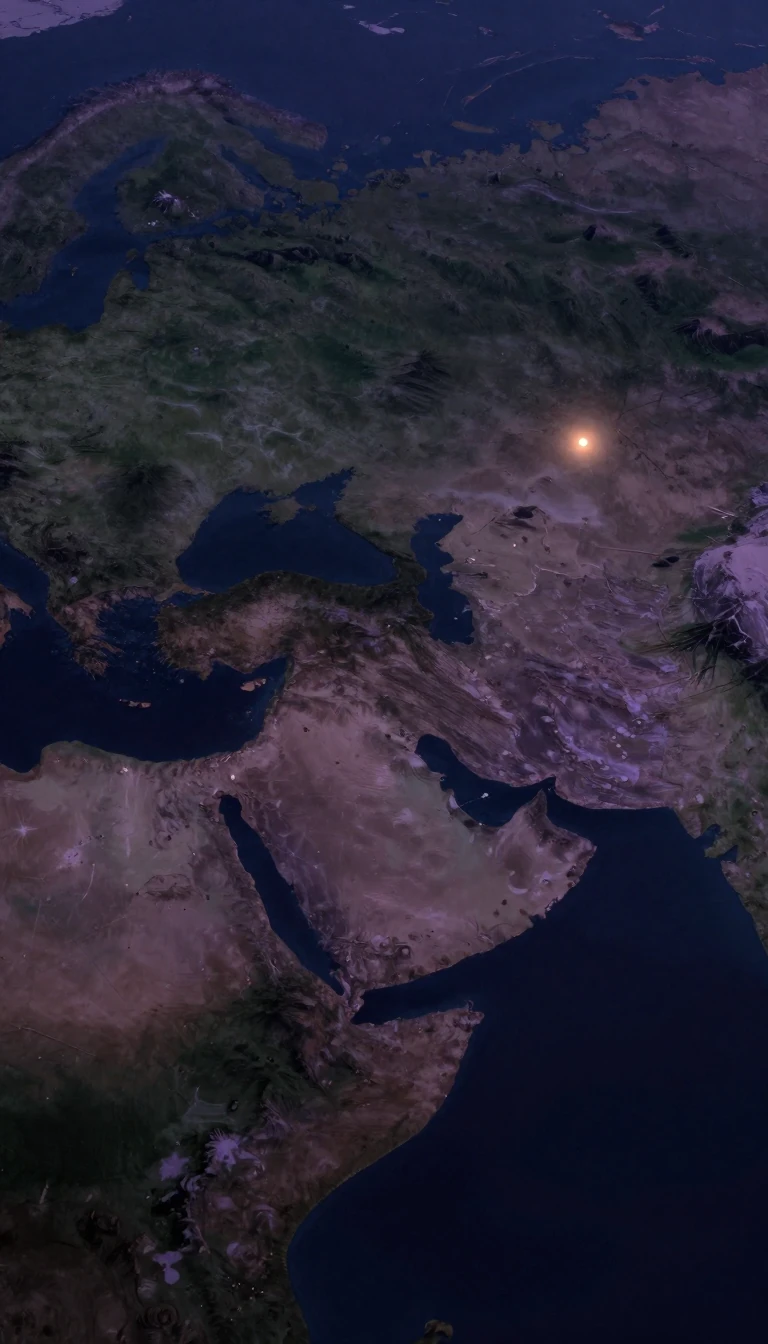
In short: Eurasia is more than a continent; it is a complex web of interconnected coastal regions and a vast interior steppe. From the earliest human migrations out of Africa to the rise of the Silk Road and the modern era, this landmass has served as the primary stage for global history.
The history of Eurasia begins with the movement of early humans, with fossilized remains of Homo ergaster and Homo erectus dating back 1.8 to 1.0 million years found across the continent. During the subsequent ice ages, human presence fluctuated, with Neanderthals dominating Europe and the Middle East until roughly 40,000 to 28,000 years ago. Modern humans, or Homo sapiens idaltu, emerged between 200,000 and 130,000 years ago, eventually expanding across the continent in waves, including a significant southern dispersal beginning around 70,000 BC.
As the climate stabilized in the Holocene, the Neolithic Revolution transformed human life through agriculture, pottery, and animal domestication. By the 8th millennium BC, proto-urban centers like Çatalhöyük appeared, followed by the rise of complex civilizations in river valleys across Mesopotamia, India, and China. These societies relied on annual floods to produce crop surpluses, which supported social organization, trade, and the development of writing systems. The Bronze Age collapse between 1206 and 1150 BC, however, disrupted these networks, leading to a period of instability and the eventual transition into the Iron Age.
The Iron Age brought new technological demands, as smelting iron required massive amounts of timber, causing power centers to shift as forests were depleted. This era also saw the rise of the Phoenician world-economy and the expansion of trade networks that connected the Atlantic to the Pacific. While the Silk Road is often cited as the primary artery of Eurasian connectivity, scholars like Warwick Ball and William Dalrymple argue that the Indian Ocean's 'Golden Road' was the dominant link until the 13th-century Pax Mongolica. These historical shifts, from the fall of Constantinople in 1453 to the decolonization of the 20th century, reflect the enduring, if constantly evolving, interconnectedness of the Eurasian landmass.
Opens the Intellect+ feed with this card first. Swipe up for the next one.
Sources
- Summary by Intellect · source: History of Eurasia
To cite this card, link to https://intellectplus.co.uk/app/history-history-of-eurasia.
How we source, check and correct cards: Editorial standards.
General information, not professional advice. Spotted an error? Flag the card or see corrections and complaints.
Intellect Plus is a visual educational discovery platform for exploring fascinating facts and ideas. Brain Food, Not Brain Rot. What is Intellect Plus?
Related
More in History by continent and large region · More in History · Latest · A–Z · All topics
