Beyond the hot springs: How a mountain town became Japan's strategic gateway
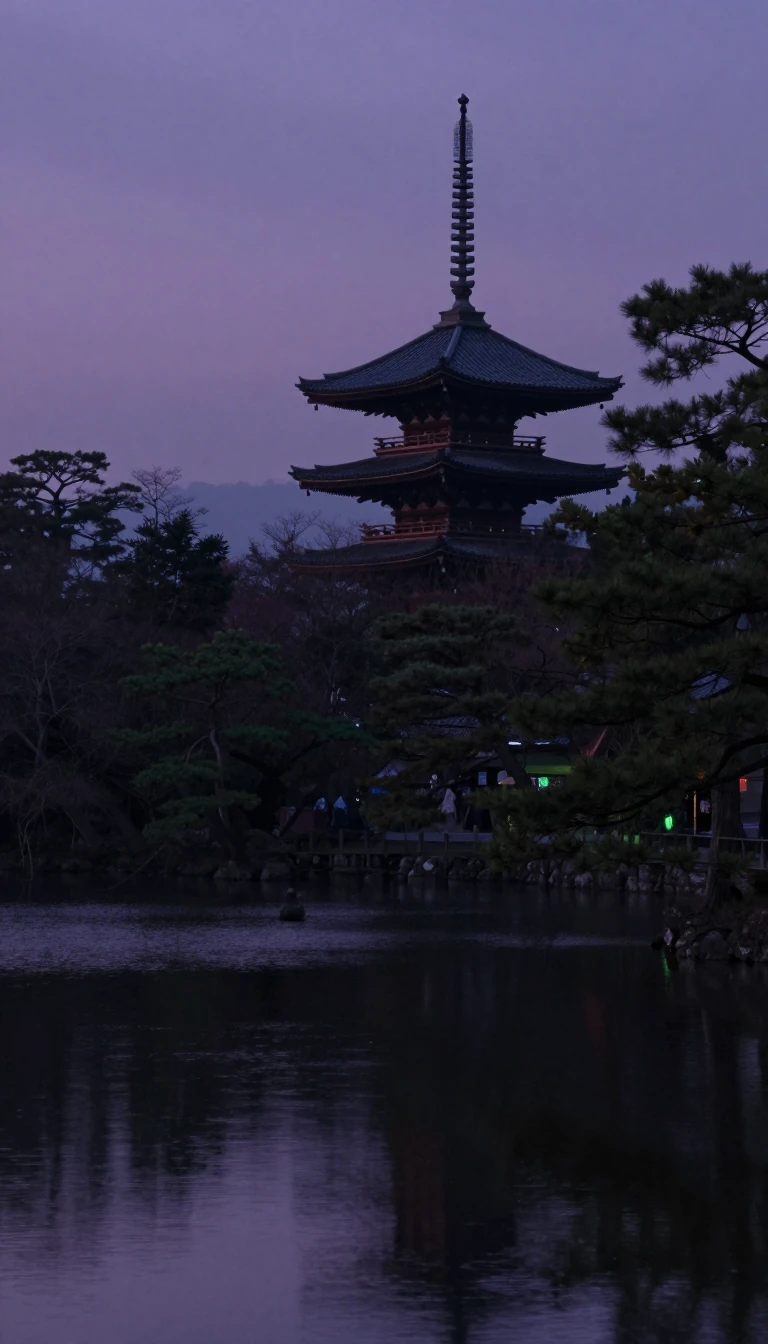
In short: Nestled in the volcanic peaks of Kanagawa, Hakone is far more than a scenic spa retreat. Once a critical checkpoint controlling travel into Edo, this mountain town has evolved from a feudal barrier into a global tourist destination, a pop-culture pilgrimage site, and a living museum of Japanese history.
Located in the far west of Kanagawa Prefecture, Hakone sits on the eastern side of Hakone Pass, largely within the volcanically active Fuji-Hakone-Izu National Park. The town is centered on Lake Ashi and is defined by its humid subtropical climate, which averages 13.3 °C annually. While it is now famous for its hot springs and views of Mount Fuji, its historical significance was rooted in its role as a strategic bottleneck. During the Edo period, the Hakone Checkpoint served as a vital barrier on the Tōkaidō highway, where officials strictly regulated the movement of weapons and women to uphold Tokugawa shogunate laws.
The town’s transformation into a resort began during the Meiji period, when it became a favored summer retreat for the wealthy elite of Tokyo and the foreign community in Yokohama. This era saw the establishment of the Hakone Imperial Villa and the iconic Fujiya Hotel, which hosted numerous dignitaries and literary figures. Today, the economy remains heavily dependent on tourism, supported by an intricate network of mountain railways, funiculars, and ropeways that transport visitors to sites like the Ōwakudani fumaroles and the Hakone Open-Air Museum.
Hakone’s cultural footprint extends into modern media, notably as the setting for the anime series Neon Genesis Evangelion, where it is reimagined as Tokyo-3. This connection has turned the town into an official anime pilgrimage site. Despite a population decline since its 1970 peak, the town maintains a robust identity through traditions like the Hakone Ekiden—a collegiate race commemorating the couriers of the old Tōkaidō road—and the local production of Yosegi marquetry. Whether through its ancient Shinto shrines or its modern transit passes, Hakone continues to bridge the gap between Japan’s feudal past and its contemporary global appeal.
Opens the Intellect+ feed with this card first. Swipe up for the next one.
Sources
- Summary by Intellect · source: Hakone
- Also: Wikidata — Hakone · CC0
- Also: Wikidata — 1098 Hakone · CC0
To cite this card, link to https://intellectplus.co.uk/app/places-hakone.
How we source, check and correct cards: Editorial standards.
General information, not professional advice. Spotted an error? Flag the card or see corrections and complaints.
Intellect Plus is a visual educational discovery platform for exploring fascinating facts and ideas. Brain Food, Not Brain Rot. What is Intellect Plus?
Related
More in Asia · More in Countries & Cities · Latest · A–Z · All topics
