Why did ancient hunter-gatherers build massive, precise geometric earthworks across the Ohio landscape?
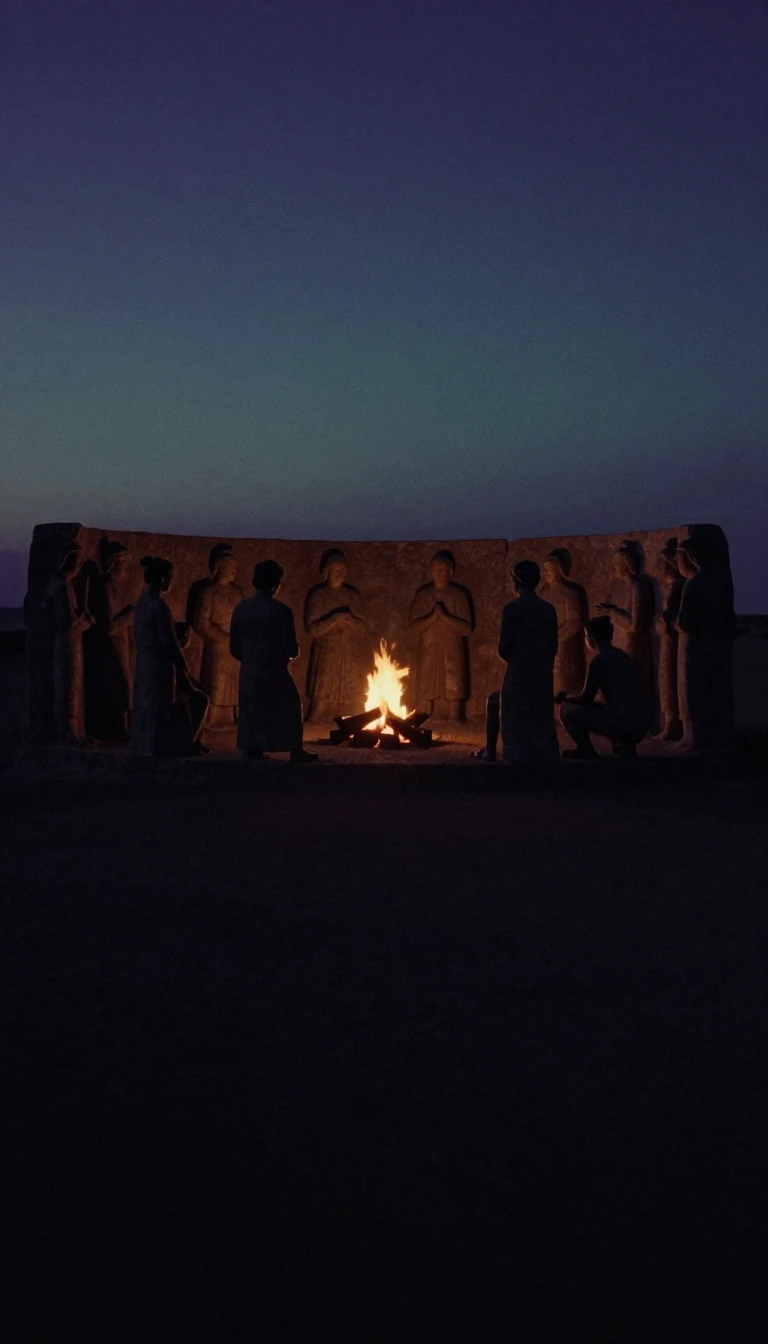
In short: The Hopewell Ceremonial Earthworks are a collection of eight monumental sites in Ohio, built between 1 and 400 CE. These geometric structures, spanning several acres, reveal a sophisticated precontact culture. Despite their scale, they were created by hunter-gatherers rather than large, settled societies, challenging our understanding of ancient architectural ambition.
The Hopewell Ceremonial Earthworks represent a unique intersection of science, astronomy, and sacred architecture. Located along tributaries of the Ohio River, these eight sites were inscribed as a UNESCO World Heritage Site on September 19, 2023. Their construction, occurring between approximately 1 and 400 CE, predates the rise of centralized mound-building societies like Cahokia. Because the sites lack written records and suffered from nearly 200 years of agricultural damage, their exact functions and construction timelines remain subjects of ongoing academic inquiry.
Central to the Hopewell culture was an expansive interaction sphere that spanned much of North America. Evidence of this reach is found in the vast quantities of exotic materials recovered from the sites, including obsidian from Wyoming, shells sourced from the Gulf of Mexico, and copper originating from the upper peninsula of Michigan. These raw materials were transformed into intricate artifacts, such as stone animal effigy pipes and delicate sheets of carved mica, suggesting a society deeply invested in symbolic and ritualistic expression.
Unlike later civilizations that relied on intensive agriculture to support large, permanent populations, the Hopewell appear to have functioned as a society of hunter-gatherers. Current evidence suggests that population densities remained relatively low, both at the specific ceremonial sites and throughout the broader region. This distinction is vital; it indicates that the monumental labor required to move earth into precise geometric shapes was organized without the social hierarchy typically associated with large-scale urban centers. Today, the sites are managed by the National Park Service and the Ohio History Connection, serving as a testament to the cultural depth of a people who shaped the landscape long before modern history began.
Opens the Intellect+ feed with this card first. Swipe up for the next one.
Sources
- Summary by Intellect · source: Hopewell Ceremonial Earthworks
To cite this card, link to https://intellectplus.co.uk/app/places-hopewell-ceremonial-earthworks.
How we source, check and correct cards: Editorial standards.
General information, not professional advice. Spotted an error? Flag the card or see corrections and complaints.
Intellect Plus is a visual educational discovery platform for exploring fascinating facts and ideas. Brain Food, Not Brain Rot. What is Intellect Plus?
Related
More in World Heritage Sites · More in Countries & Cities · Latest · A–Z · All topics
