Why this Hungarian village was built to survive the Mongol invasion and Ottoman rule
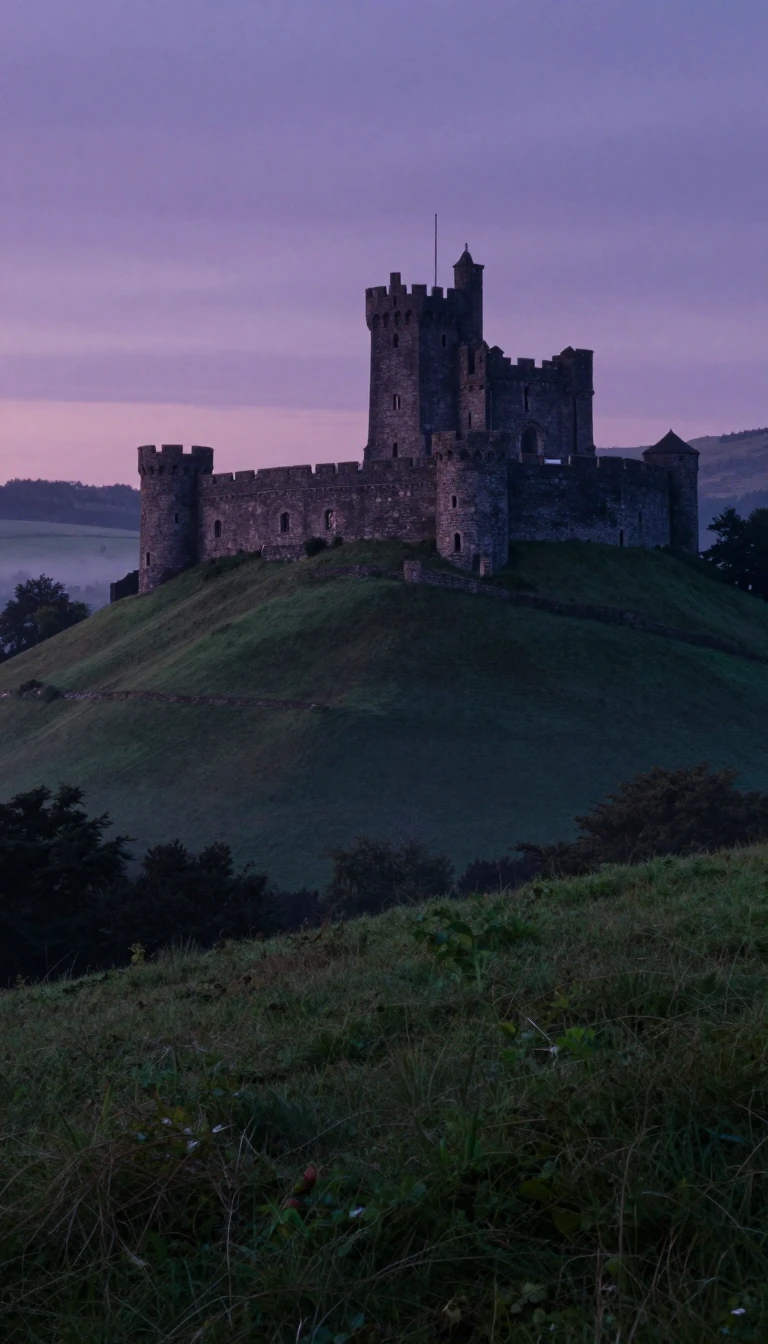
In short: Tucked into the Cserhát Mountains, Hollókő is a living time capsule of Palóc culture. Named for a raven-stone, this village evolved from a 13th-century defensive outpost into a protected UNESCO site. Its unique layout and traditional architecture offer a rare glimpse into rural life before the era of modern farming.
The origins of Hollókő are tied to the aftermath of the Mongol invasion in the mid-13th century. The Kacsics noble clan initiated the construction of a castle to fortify the region against future incursions, with the structure first appearing in official records in 1310. Initially, the village was situated directly beneath the castle walls, but this original settlement was eventually abandoned. The present-day village emerged following the end of the Ottoman era in 1683, after the castle and the older site had been left behind.
The village’s development reflects the constraints of its geography and the traditions of the Palóc people. By 1782, Hollókő functioned as a single-street settlement, but it expanded significantly throughout the 18th and 19th centuries. By 1885, the village had reached its physical limits, with no remaining land for further cultivation or expansion. The architecture is defined by half-timbered houses featuring whitewashed plaster walls and porches protected by overhanging roofs. Because these structures rely on wood, they have required frequent rebuilding following periodic fires, the most recent of which occurred in 1909.
Today, the protected area includes 67 houses along Lajos Kossuth and Sándor Petőfi streets. The village layout adheres to a specific Palóc custom: the oldest homes line the main street, while subsequent generations constructed their dwellings behind them. Barns are intentionally placed at the periphery, near the fields, orchards, and vineyards. This integration of residential space with strip farming and the surrounding natural environment led to its inscription as a UNESCO World Heritage Site in 1987, preserving a way of life that predates modern agricultural practices.
Opens the Intellect+ feed with this card first. Swipe up for the next one.
Sources
- Summary by Intellect · source: Hollókő
- Also: Wikidata — Hollókő · CC0
- Also: Wikidata — Hollókő · CC0
To cite this card, link to https://intellectplus.co.uk/app/places-holl-k.
How we source, check and correct cards: Editorial standards.
General information, not professional advice. Spotted an error? Flag the card or see corrections and complaints.
Intellect Plus is a visual educational discovery platform for exploring fascinating facts and ideas. Brain Food, Not Brain Rot. What is Intellect Plus?
Related
More in World Heritage Sites · More in Countries & Cities · Latest · A–Z · All topics
