The Ili River once fed a massive lake, but human engineering changed everything forever.
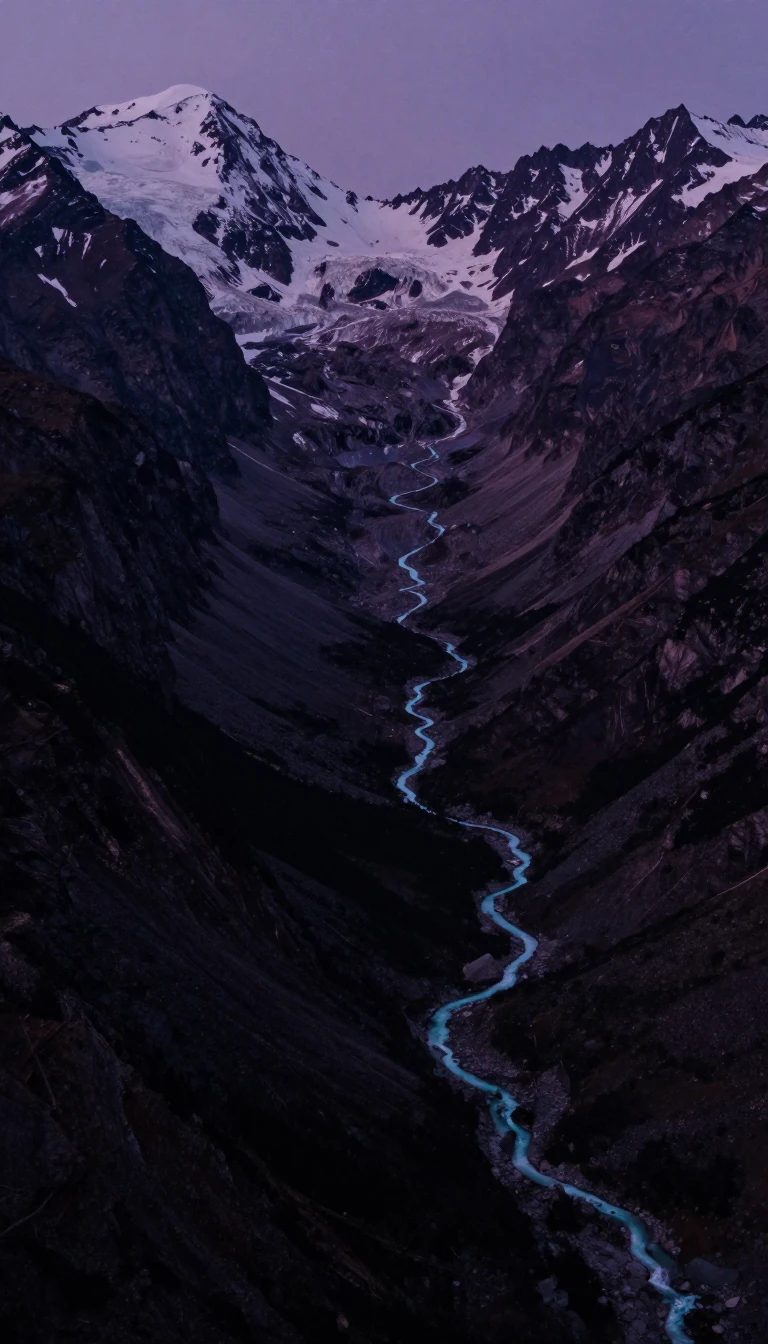
In short: Spanning 870 miles across China and Kazakhstan, the Ili River was the lifeblood of Lake Balkhash, providing nearly 90 percent of its water. However, the 1970 construction of a major hydroelectric station diverted the river, triggering a dramatic ecological decline that continues to reshape the region's landscape today.
The Ili River originates in the Tien Shan range and flows through the Xinjiang region of China before entering southeastern Kazakhstan. For centuries, this waterway served as the primary hydrological engine for the Balkhash-Alaköl basin. Historically, the river contributed 80 to 90 percent of the total water influx into Lake Balkhash, a vast, endorheic lake that acts as a barometer for the region's climate. The lake itself is uniquely divided by the Saryesık Peninsula into two distinct hydrologic zones: a shallow, fresher western section and a deeper, saltier eastern section.
The ecological balance of this system was fundamentally altered in 1970 when the Qapşağay hydroelectric-power station began operations on the Ili. By diverting water to fill the massive Qapşağay reservoir and supporting irrigation projects, the station reduced the river's flow into the lake by two-thirds. The consequences were immediate and severe. Between 1970 and 1987, the surface level of Lake Balkhash dropped by 7 feet. This reduction in inflow caused the lake to become increasingly saline, leading to the deterioration of water quality and the decline of local fish populations, which had previously supported a thriving fishing industry.
Beyond the immediate water crisis, the environmental impact has been extensive. The delta of the Ili, a vast wetland region, has seen its habitats shrink, affecting numerous species. While the area remains a sanctuary for wildlife—including the Dalmatian pelican and the goitered gazelle—the loss of the Caspian tiger, which used the delta as a refuge until 1948, serves as a stark reminder of the region's ecological fragility. In the 21st century, the management of the Ili has become a point of tension, as both China and Kazakhstan face increasing water demands, leaving the future of this vital river and its dependent ecosystems in a state of precarious uncertainty.
Opens the Intellect+ feed with this card first. Swipe up for the next one.
Sources
- Summary by Intellect · source: Ili River | Kazakhstan, China, Border | Britannica
- Also: Ili River
To cite this card, link to https://intellectplus.co.uk/app/places-ili-river.
How we source, check and correct cards: Editorial standards.
General information, not professional advice. Spotted an error? Flag the card or see corrections and complaints.
Intellect Plus is a visual educational discovery platform for exploring fascinating facts and ideas. Brain Food, Not Brain Rot. What is Intellect Plus?
Related
More in Bodies of water · More in Countries & Cities · Latest · A–Z · All topics
