Did a wave of ancient steppe nomads reshape the languages of South Asia?
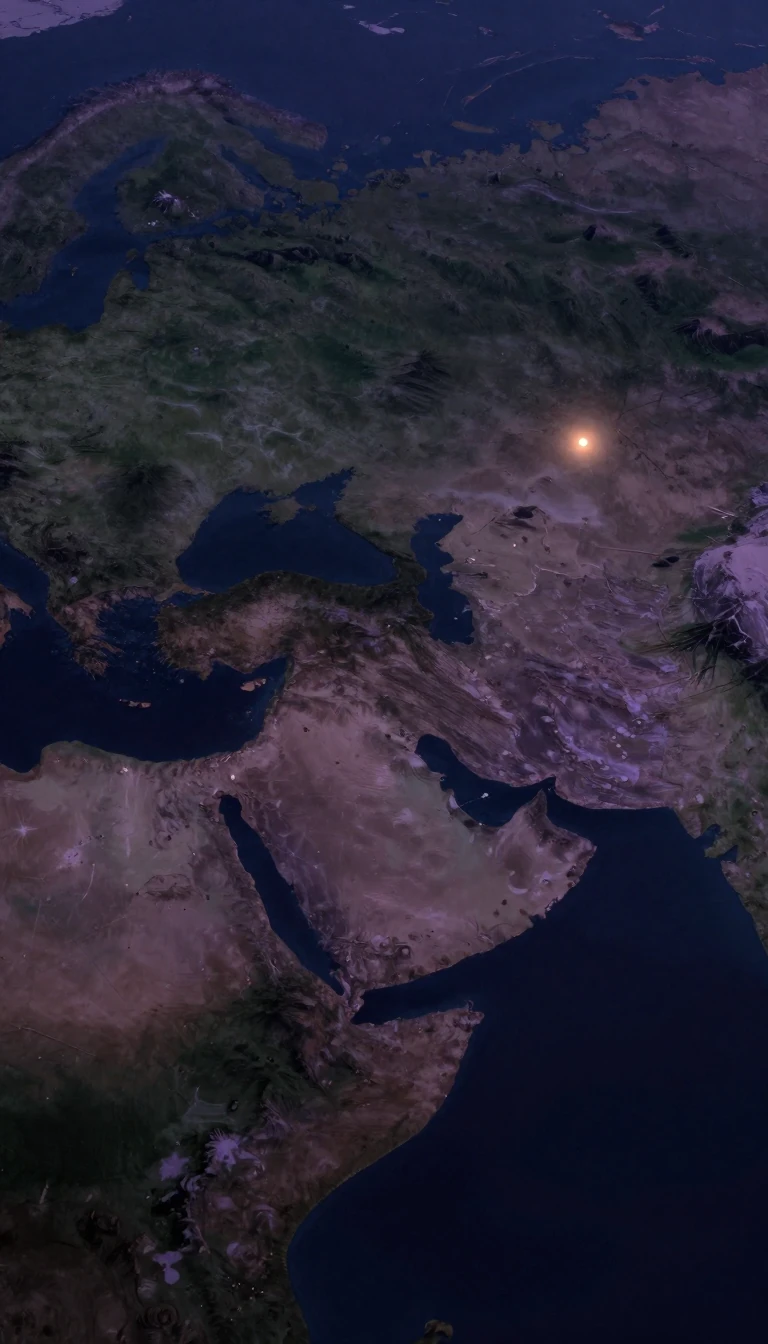
In short: The Indo-Aryan migration theory suggests that small groups of mobile pastoralists from the Eurasian steppes profoundly altered the linguistic and social landscape of South Asia. By introducing new cultural norms and elite recruitment strategies, these migrants triggered a language shift that still defines the region's predominant linguistic family today.
The Indo-Aryan migrations represent a complex historical process that began after 2000 BCE. Originating from the Sintashta and Andronovo cultures of the Central Asian steppes, these Indo-Iranian groups eventually split, with Indo-Aryans moving toward the Bactria–Margiana culture and later into the northern Indian subcontinent. This movement was likely facilitated by widespread aridization in the second millennium BCE, which destabilized sedentary urban cultures across Afghanistan, Iran, and India, forcing populations to adapt to new, more mobile pastoralist lifestyles.
Rather than a massive, singular folk migration, scholars like David Anthony propose that the spread of Indo-European languages occurred through elite recruitment. Small, powerful groups of migrants, equipped with superior weaponry and luxury goods, offered local leaders a compelling social system. By incorporating local elites through matrimonial alliances and patron-client networks, these migrants effectively spread their language and culture without requiring total genetic replacement. This mechanism explains how a relatively small number of newcomers could fundamentally shift the linguistic trajectory of a vast region.
Genetic evidence supports this narrative, revealing a significant infusion of male Steppe ancestry into South Asian populations during the second millennium BCE. This ancestry is disproportionately present in certain elite groups, such as Brahmin and Bhumihar castes, who have historically served as the keepers of Indo-Aryan texts. While the Rigveda does not explicitly document an external homeland, later texts like the Baudhāyana Śrauta Sūtra contain references to early eastward migrations, providing a literary echo of the demographic and cultural shifts that occurred as these groups integrated into the Indian subcontinent.
The theory remains a cornerstone of comparative linguistics, linking Sanskrit, Persian, Greek, and Latin to a common, reconstructed proto-language. First hypothesized in the 17th century by Marcus Zuerius van Boxhorn and later refined by figures like William Jones, the framework combines archaeological, genetic, and literary research to explain the deep structural similarities between geographically distant languages. Despite the complexity of the data, the consensus points to a steppe origin, marking a transformative period in human history.
Opens the Intellect+ feed with this card first. Swipe up for the next one.
Sources
- Summary by Intellect · source: Indo-Aryan migrations
- Also: Wikidata — Indo-Aryan migrations · CC0
To cite this card, link to https://intellectplus.co.uk/app/places-indo-aryan-migrations.
How we source, check and correct cards: Editorial standards.
General information, not professional advice. Spotted an error? Flag the card or see corrections and complaints.
Intellect Plus is a visual educational discovery platform for exploring fascinating facts and ideas. Brain Food, Not Brain Rot. What is Intellect Plus?
Related
More in Cities · More in Countries & Cities · Latest · A–Z · All topics
