The ancient chariot-driving nomads who shaped the languages of nearly one billion people today.
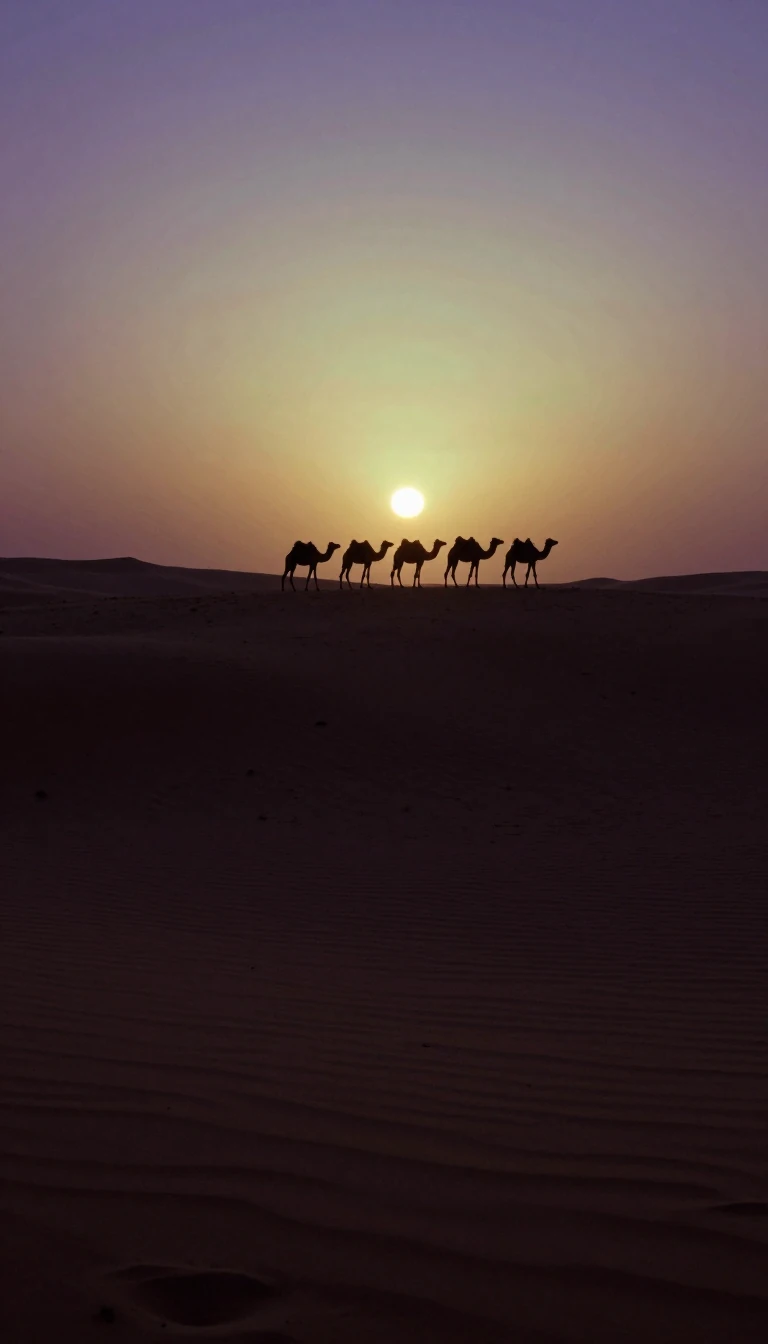
In short: From the Eurasian steppe to the Indian subcontinent, the Indo-Iranians expanded across history, leaving a legacy that spans from the Rigveda to modern Persian and Hindi. Their migration, powered by the invention of the chariot, remains a central puzzle in understanding the genetic and linguistic map of Asia.
The Indo-Iranians, or Aryans, were a group of Proto-Indo-European speakers who emerged from the Eurasian steppe, likely in the region spanning modern-day Turkmenistan, Uzbekistan, and Tajikistan. By the early 2nd millennium BC, these peoples began a massive expansion, eventually splitting into two primary branches: the Indo-Aryans, who migrated south and east toward the Indian subcontinent, and the Iranian peoples, who moved south and west. This expansion is closely linked to the development of the chariot, a technology that allowed these groups to dominate vast territories, including the Andronovo horizon and the Sintashta culture.
The linguistic evidence for this dispersal is profound. Early forms of their languages, such as Vedic Sanskrit and Gathic Avestan, share remarkable similarities, pointing to a common Proto-Indo-Iranian origin. Scholars have identified traces of this influence as far as the Near East, where a Mitanni elite—likely Indo-Aryan—left behind horse-training manuals and invoked deities like Mitra and Varuna in treaties dating to roughly 1500 BC. These texts provide a rare window into the early stages of a language continuum that would eventually produce the diverse linguistic landscape of modern South and Central Asia.
Genetic research has further illuminated this history, particularly through the R1a1a Y-chromosome haplogroup. The Z93 sub-clade is strongly associated with Indo-Iranian populations, showing high frequencies in Tajikistan, Afghanistan, and northern India. While the specific reasons for their divergence remain a subject of active debate, the Indo-Iranian legacy is undeniable. Today, their descendants and linguistic heirs number nearly one billion people, with languages like Persian, Pashto, Hindi, and Bengali serving as the modern echoes of a nomadic culture that fundamentally altered the course of human history.
Opens the Intellect+ feed with this card first. Swipe up for the next one.
Sources
- Summary by Intellect · source: Indo-Iranians
- Also: Indo-Iranian languages | History, Characteristics & Classification | Britannica
- Also: Wikidata — Indo-Iranians · CC0
To cite this card, link to https://intellectplus.co.uk/app/places-indo-iranians.
How we source, check and correct cards: Editorial standards.
General information, not professional advice. Spotted an error? Flag the card or see corrections and complaints.
Intellect Plus is a visual educational discovery platform for exploring fascinating facts and ideas. Brain Food, Not Brain Rot. What is Intellect Plus?
Related
More in Cities · More in Countries & Cities · Latest · A–Z · All topics
