Why heritage is more than just stone monuments and museum collections
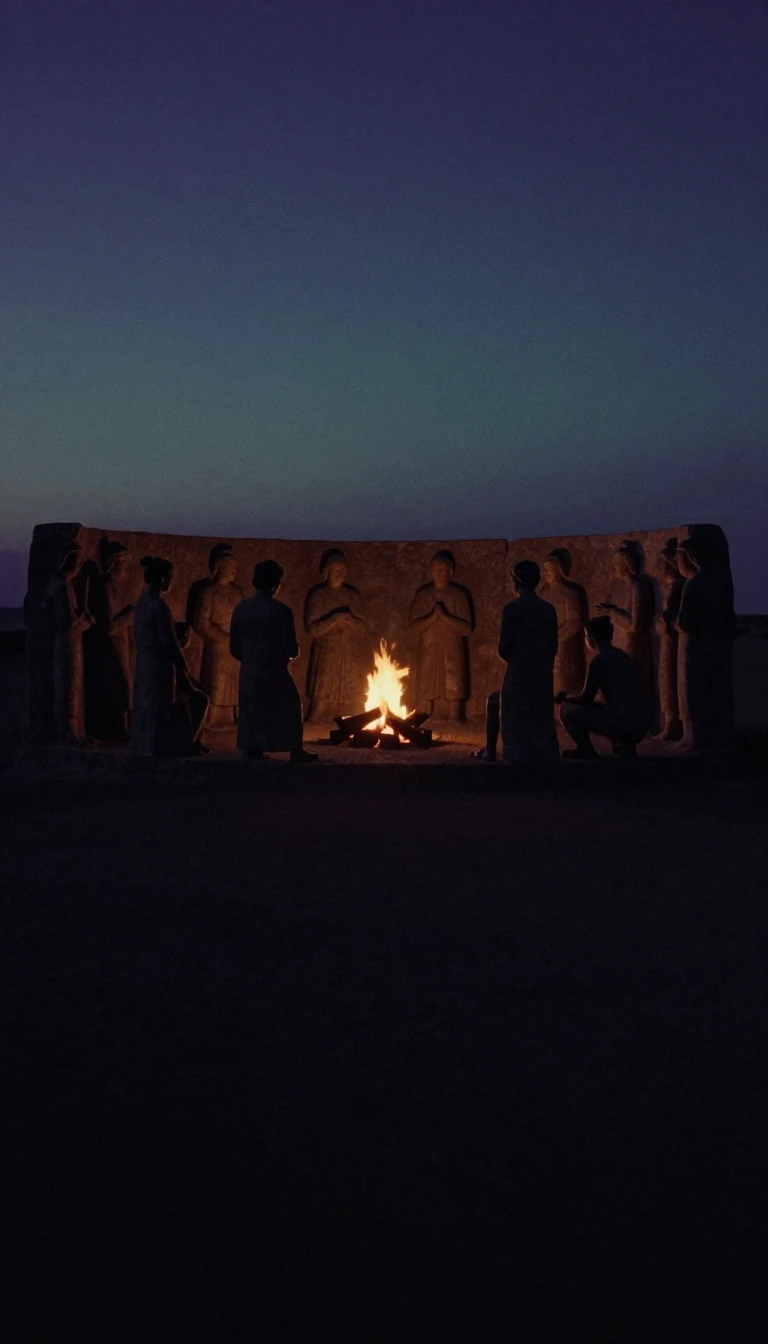
In short: Cultural heritage is not limited to physical objects or historic sites. It encompasses the living traditions, skills, and social practices passed down through generations. From oral storytelling to festive rituals, this intangible wealth provides communities with a vital sense of identity and continuity in an increasingly globalized world.
While traditional heritage conservation often focused on tangible assets like buildings or artifacts, UNESCO has expanded the definition to include intangible cultural heritage. This encompasses the knowledge, skills, and expressions that communities recognize as their own. These practices are not static relics of the past; they are living, contemporary expressions that evolve as groups interact with their environments and history. Whether it is a traditional craft, a performing art, or a social practice, this heritage is transmitted from one generation to the next, serving as a bridge between the past, present, and future.
The core of this concept is community recognition. An expression only qualifies as heritage if the people who create and maintain it identify it as such. This bottom-up approach ensures that the focus remains on the transmission of knowledge rather than just the final cultural product. By fostering intercultural dialogue and mutual respect, these practices help maintain cultural diversity. They are as essential for developed nations as they are for developing ones, providing individuals with a sense of social cohesion and belonging within their respective communities.
The 2003 international agreement established to protect these traditions emphasizes that they must align with human rights and sustainable development. This framework recognizes that intangible heritage is fragile and requires active safeguarding. By protecting the processes that allow shared knowledge to flourish, UNESCO aims to ensure that humanity's diverse creative expressions continue to thrive. This approach shifts the focus from preserving objects to supporting the people who keep these traditions alive, ensuring they remain relevant in a rapidly changing world.
Opens the Intellect+ feed with this card first. Swipe up for the next one.
Sources
- Summary by Intellect · source: What is Intangible Cultural Heritage? - UNESCO Intangible Cultural Heritage
- Also: Intangible cultural heritage
To cite this card, link to https://intellectplus.co.uk/app/places-intangible-cultural-heritage.
How we source, check and correct cards: Editorial standards.
General information, not professional advice. Spotted an error? Flag the card or see corrections and complaints.
Intellect Plus is a visual educational discovery platform for exploring fascinating facts and ideas. Brain Food, Not Brain Rot. What is Intellect Plus?
Related
More in Countries and other regions · More in Countries & Cities · Latest · A–Z · All topics
