Once a global tin powerhouse, how did Ipoh reinvent itself as a cultural destination?
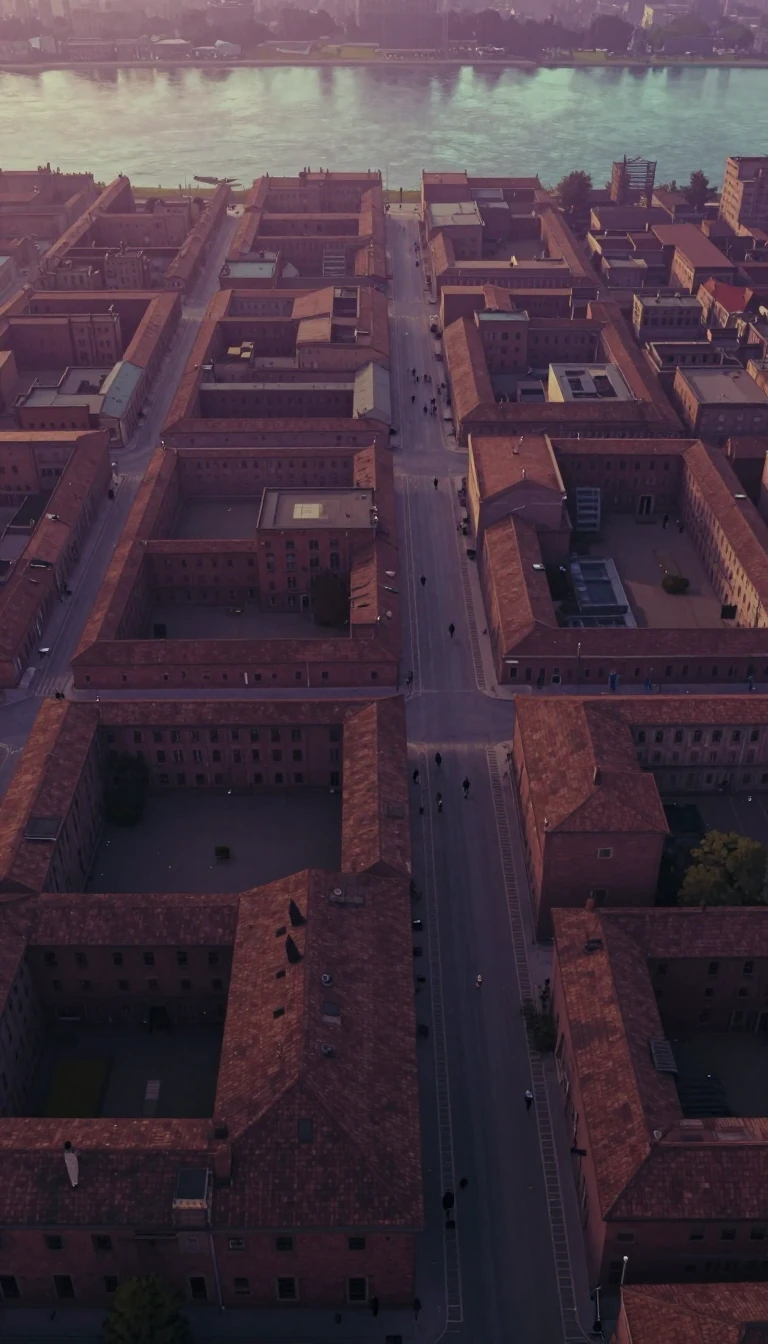
In short: Born from a poisonous plant and transformed by a 19th-century tin boom, Ipoh was once among Southeast Asia's wealthiest cities. After the tin market collapsed in the 1970s, the city faced decades of decline. Today, it has pivoted, leveraging its colonial architecture and limestone cave temples to attract international travelers.
Ipoh, the capital of Perak, Malaysia, owes its name to the Antiaris toxicaria tree, whose poisonous sap was historically used by Aslians to coat hunting darts. The settlement evolved from a village into a major industrial hub during the 1880s, following the discovery of massive tin deposits in the Kinta River valley. By 1895, it had become the second-largest town in the Federated Malay States. Despite a devastating fire in 1892 that destroyed over half the town, the subsequent reconstruction introduced an orderly grid pattern that supported rapid growth during the tin booms of the 1920s and 1930s.
The city's fortunes shifted dramatically in the 1970s when tin prices collapsed, leading to significant economic neglect and a population exodus. However, the modern city has successfully rebranded. It now serves as a major land transportation hub, connected by the North-South Expressway and the Electric Train System, which links it to Kuala Lumpur in approximately two hours. While the historic Old Town remains a symbolic core of colonial architecture, the city’s actual life is polycentric, spread across suburban neighborhoods like Greentown and Bercham. This decentralized layout makes the city car-dependent, often surprising tourists who expect a compact heritage center.
Today, Ipoh is defined by its unique natural and culinary landscape. Surrounded by limestone mogotes, the city hosts numerous cave temples, such as Sam Poh Tong and the expansive Gua Tempurung, which features over 3 km of chambers and speleothems. Beyond its geography, the city has diversified its economy by hosting the headquarters of major corporations, including palm oil giant Kuala Lumpur Kepong Berhad and the food and beverage chain Old Town White Coffee. With a population of 759,952 as of 2020, Ipoh remains one of Malaysia's largest cities, balancing its industrial heritage with a thriving tourism sector driven by its diverse food scene and natural wonders.
Opens the Intellect+ feed with this card first. Swipe up for the next one.
Sources
- Summary by Intellect · source: Ipoh
- Also: Wikidata — Ipoh · CC0
- Also: Wikidata — Ipoh · CC0
To cite this card, link to https://intellectplus.co.uk/app/places-ipoh.
How we source, check and correct cards: Editorial standards.
General information, not professional advice. Spotted an error? Flag the card or see corrections and complaints.
Intellect Plus is a visual educational discovery platform for exploring fascinating facts and ideas. Brain Food, Not Brain Rot. What is Intellect Plus?
Related
More in Asia · More in Countries & Cities · Latest · A–Z · All topics
