How a legendary devil's handprint gave Japan's second-largest prefecture its name
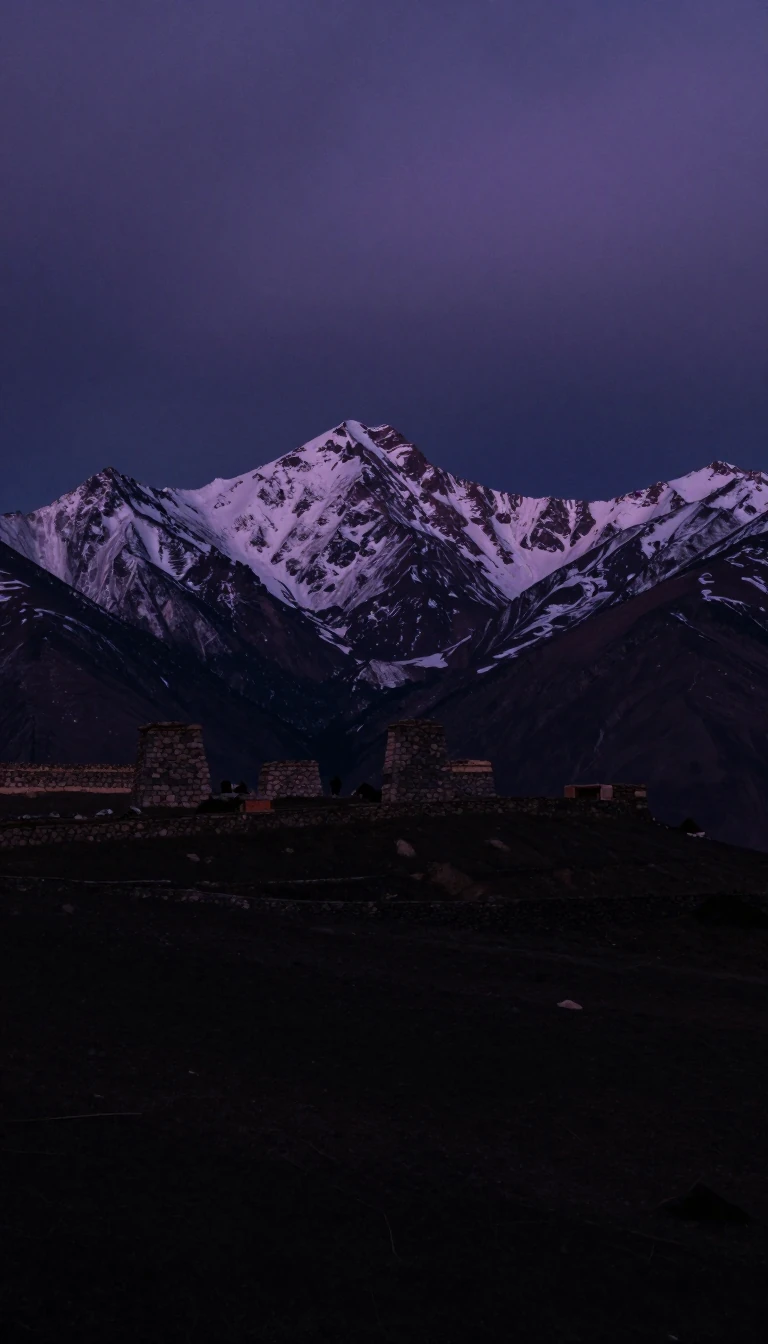
In short: Iwate Prefecture is a rugged landscape of volcanic peaks and ancient forests, holding the easternmost point of Honshu. Beyond its geography, the region is defined by a deep, often violent history of frontier conflict and a folklore tradition that traces its very name to a shackled devil's oath.
The name Iwate is traditionally linked to the Mitsuishi, or Three Rocks, shrine in Morioka. According to local legend, an eruption of Mt. Iwate cast these massive stones into the city, where they served as a prison for a tormenting devil. Forced to swear an oath to stop harassing the populace, the entity left a handprint on the rock as a seal, creating the name Iwate, which translates to rock hand. Even today, locals claim the print remains visible after rainfall.
Historically, this region was the frontier of the Yamato government, which struggled for centuries to subdue the native Emishi people. The conflict was brutal and protracted; in 787, the Battle of Sufuse Village saw over 1,000 Yamato soldiers drown in the Kitakami River after being trapped by Emishi cavalry. The Japanese eventually secured the region not just through military force, but through economic dependency, bribery, and the forced relocation of populations. By 802, the surrender of Emishi leaders Aterui and More marked a turning point, though their subsequent execution in Kyoto sparked decades of further resistance.
Today, Iwate is a prefecture in transition. As the second-largest in Japan, it faces the common national challenge of an aging population and a steady decline in birth rates. While its industrial base in Morioka focuses on semiconductor and communications manufacturing, the region remains deeply connected to its past. From the Jōmon-era artifacts found in Kitakami to the influence of the Northern Fujiwara in Hiraizumi, the landscape is layered with the remnants of those who lived here long before the modern prefecture was established in 1876.
Opens the Intellect+ feed with this card first. Swipe up for the next one.
Sources
- Summary by Intellect · source: Iwate Prefecture
- Also: Wikidata — Iwate Prefecture · CC0
- Also: Wikidata — Aomori Prefecture and Iwate Prefecture Route 11 · CC0
To cite this card, link to https://intellectplus.co.uk/app/places-iwate-prefecture.
How we source, check and correct cards: Editorial standards.
General information, not professional advice. Spotted an error? Flag the card or see corrections and complaints.
Intellect Plus is a visual educational discovery platform for exploring fascinating facts and ideas. Brain Food, Not Brain Rot. What is Intellect Plus?
Related
More in Regions and country subdivisions · More in Countries & Cities · Latest · A–Z · All topics
