The culinary collision that created Louisiana's most famous one-pot dish
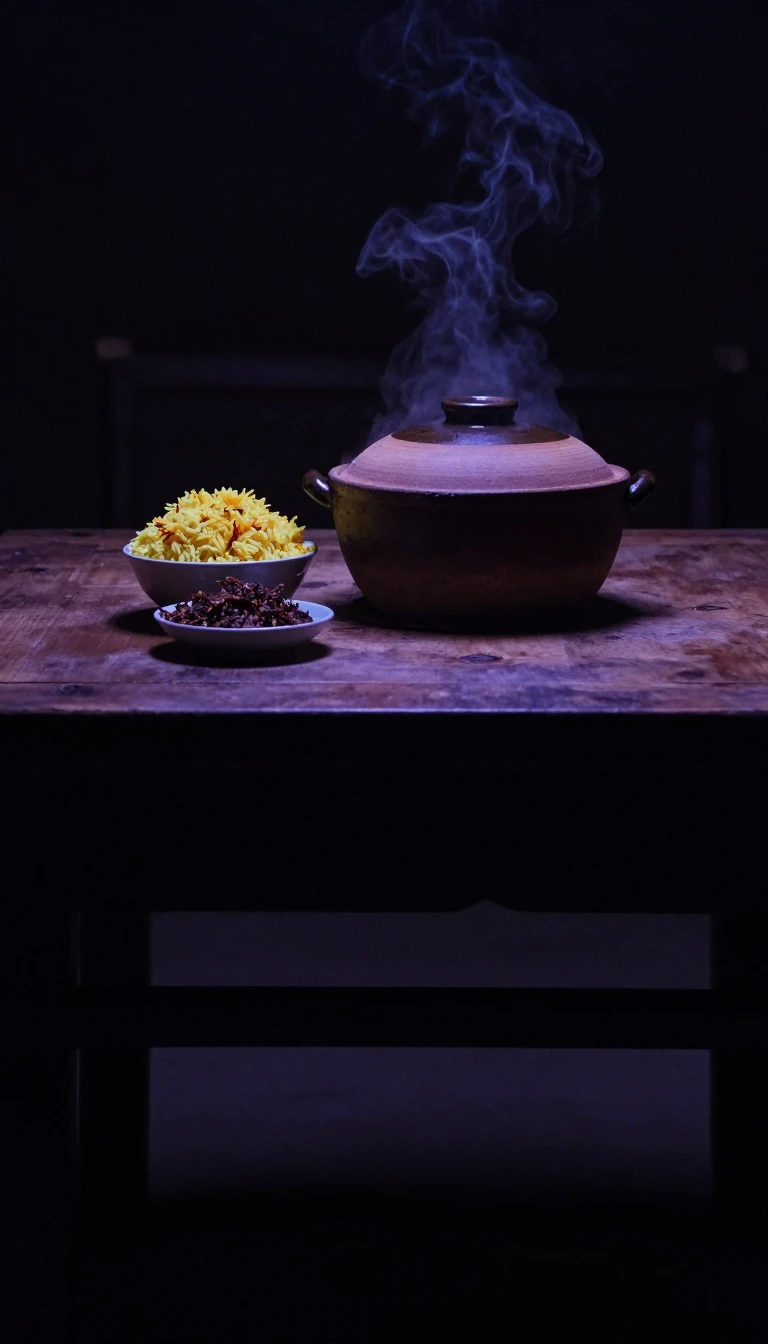
In short: Is jambalaya a Spanish paella, a French pilaf, or a West African legacy? This savory rice staple is far more than a simple meal; it is a complex, syncretic map of colonial history, migration, and the survival of enslaved peoples in the American South.
Jambalaya is a culinary intersection of West African, French, and Spanish influences. While some folk etymologies suggest a fusion of the Spanish words 'jamón' (ham) and 'paella,' evidence for this is thin, as Spanish speakers would typically use the phrasing 'paella con jamón.' Another theory, noted by chef John Folse, proposes a contraction of the French 'jambon' and the Yoruba 'yaya.' The word itself likely finds its roots in the Provençal 'jambalaia,' meaning a mixture or a pilaf, appearing in a 1837 Provençal poem.
The dish's structural DNA is deeply tied to the West African diaspora. Historians and researchers, such as Kayla Stewart and Kelley Fanto Deetz, point to links between jambalaya and West African dishes like Jollof rice or Senegalese thiéboudienne. During the colonial period, approximately 60% of enslaved people brought to Louisiana were from Senegal, a region with significant rice-cultivation expertise. These populations brought one-pot rice traditions that blended with the French pilau and Spanish paella styles already present in the territory.
Today, the dish exists in two primary regional variations: Creole and Cajun. Known as 'red jambalaya' in New Orleans, the Creole style incorporates tomatoes—a fruit introduced to West Africa by the French. Conversely, the Cajun style, often called 'brown jambalaya' in New Orleans, typically omits tomatoes. This version relies on the 'trinity' of onions, celery, and bell peppers, alongside the 'sucs'—the browned bits of meat stuck to the bottom of a cast-iron pot—to provide its characteristic deep color and flavor.
Opens the Intellect+ feed with this card first. Swipe up for the next one.
Sources
- Summary by Intellect · source: Jambalaya
- Also: Wikidata — Jambalaya · CC0
- Also: Wikidata — jambalaya · CC0
To cite this card, link to https://intellectplus.co.uk/app/places-jambalaya.
How we source, check and correct cards: Editorial standards.
General information, not professional advice. Spotted an error? Flag the card or see corrections and complaints.
Intellect Plus is a visual educational discovery platform for exploring fascinating facts and ideas. Brain Food, Not Brain Rot. What is Intellect Plus?
Related
More in Countries and other regions · More in Countries & Cities · Latest · A–Z · All topics
