Caribbean cuisine is a global fusion born from centuries of migration and forced labor
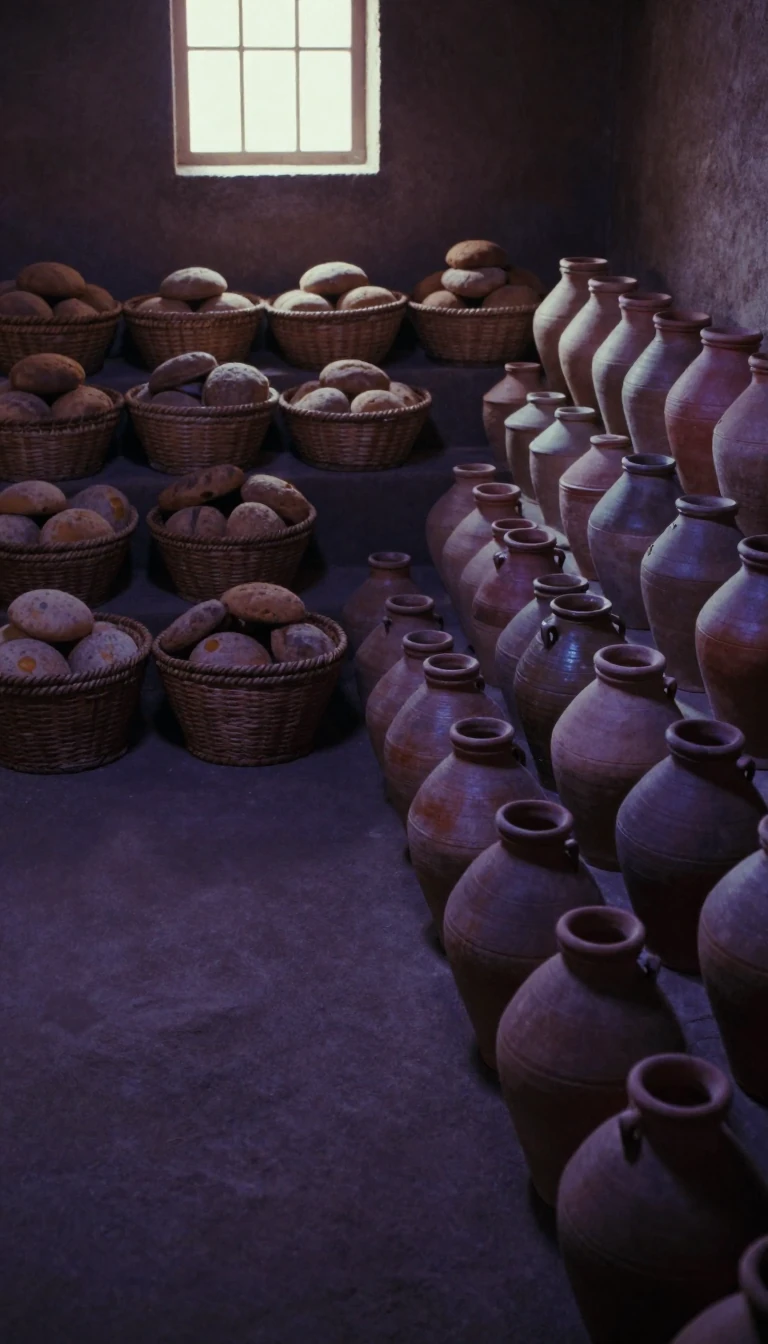
In short: Caribbean food is not a single style but a complex tapestry woven from West African, European, Asian, and Indigenous traditions. Born from the harsh realities of plantation life and the resilience of enslaved people, this vibrant culinary landscape transformed local crops into a globally recognized fusion of flavors and techniques.
The foundation of Caribbean food rests on a diverse array of influences, including West African, Creole, Amerindian, European, Indian, Chinese, and Middle Eastern traditions. This fusion was not accidental but a direct result of colonization, slavery, and the movement of indentured laborers. Before European arrival, Indigenous peoples cultivated staples like cassava, corn, sweet potatoes, and peppers, which remain central to the region's diet today.
Under the system of slavery, the development of provision grounds proved pivotal. Enslaved people were often permitted to grow crops on unused estate land, cultivating items like Guinea yams, plantains, and dasheen. This practice allowed them to maintain agricultural autonomy and sell surplus produce in local markets, fostering skills that later supported peasant farming after emancipation. These rural communities became laboratories for culinary innovation, blending African, European, and Asian processing methods with local ingredients.
Today, the region's culinary identity is defined by common staples such as rice, beans, coconut, and various meats, seasoned with the characteristic green herb-and-oil marinade known as sofrito. This blend of garlic, onions, Scotch bonnet peppers, and herbs like thyme and cilantro is essential to curries and stews. Signature dishes reflect this history: Jamaica's ackee and saltfish, the widespread callaloo, and the goat stew favored in Montserrat and St. Kitts and Nevis all showcase the unique, layered character of Caribbean food.
The legacy of colonization persists in dishes like black cake, which evolved from English Christmas pudding, and the widespread popularity of rice and beans. By integrating diverse crops and techniques brought by enslaved, indentured, and colonial populations, Caribbean cuisine has become a testament to the resilience and creativity of the people who shaped it, turning a history of displacement into a rich, shared cultural heritage.
Opens the Intellect+ feed with this card first. Swipe up for the next one.
Sources
- Summary by Intellect · source: Caribbean cuisine
To cite this card, link to https://intellectplus.co.uk/app/food-caribbean-cuisine.
How we source, check and correct cards: Editorial standards.
General information, not professional advice. Spotted an error? Flag the card or see corrections and complaints.
Intellect Plus is a visual educational discovery platform for exploring fascinating facts and ideas. Brain Food, Not Brain Rot. What is Intellect Plus?
Related
More in Cooking, food and drink · More in Food & Drink · Latest · A–Z · All topics
