Asia's first national park was created to protect forests from human encroachment and poaching.
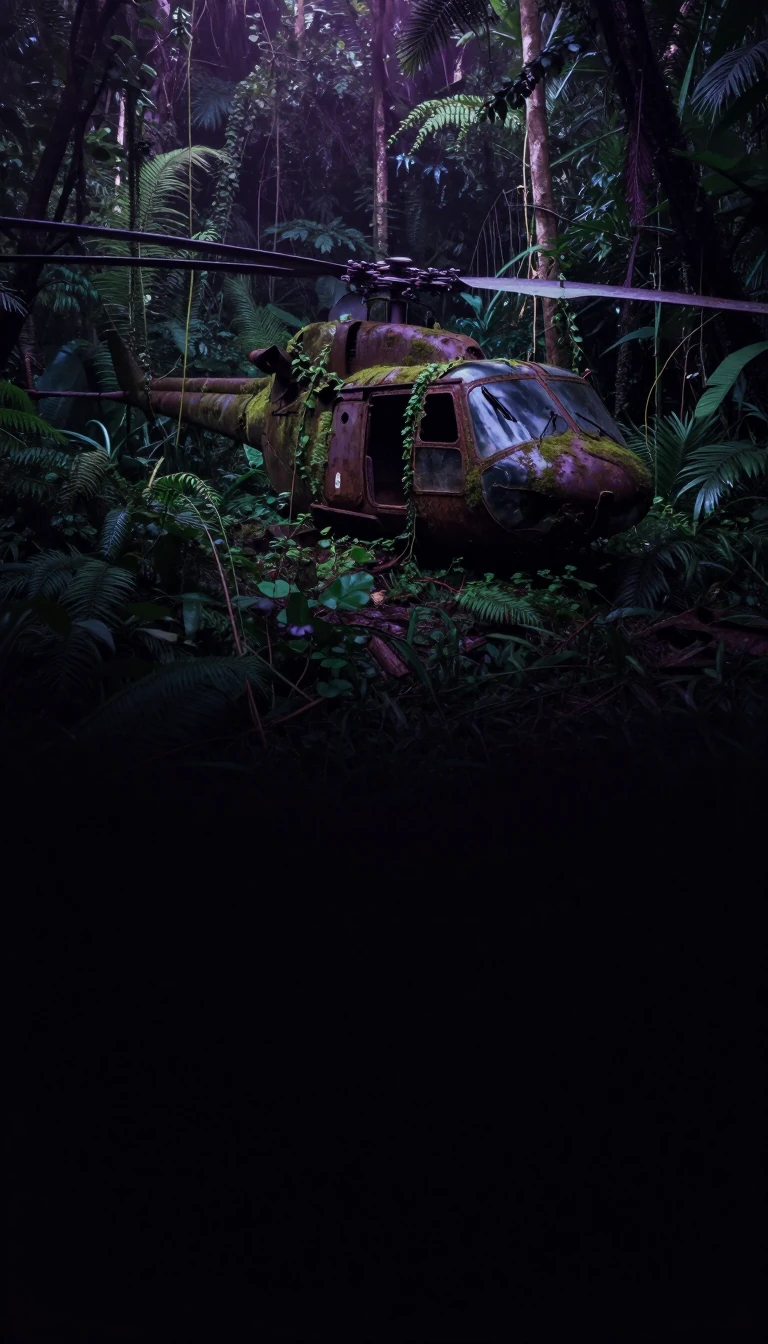
In short: Established in 1936, Jim Corbett National Park in India serves as a vital sanctuary for tigers, elephants, and hundreds of bird species. While it pioneered conservation efforts like Project Tiger, the park now faces complex challenges from rising tourism, invasive species, and the persistent pressures of a growing local population.
Located in the Nainital district of Uttarakhand, the park spans over 1,288 square kilometers, encompassing a diverse landscape of hills, grasslands, and riverine belts. Its history dates back to the 19th century when British authorities began restricting land use to preserve the region's forests. Originally named Hailey National Park in 1936, it was later renamed to honor the naturalist Jim Corbett. Today, it remains a cornerstone of the Terai Arc Landscape Program, which aims to link protected areas across India and Nepal to facilitate wildlife migration.
The park's ecological significance is matched by its economic value. A recent assessment estimated its annual benefits at ₹14.7 billion, derived from services such as gene-pool protection, water purification for New Delhi, and carbon sequestration. Despite these contributions, the reserve struggles with significant threats. The construction of the Kalagarh Dam in the past submerged 80 square kilometers of prime habitat, causing local extinctions of swamp deer and reducing hog deer populations. Furthermore, the park faces ongoing issues with poaching, illegal road construction, and the encroachment of invasive weeds like Lantana and Parthenium.
Management of the park is a delicate balancing act between conservation and human interaction. While ecotourism provides employment for local communities, the influx of thousands of visitors annually has led to soil degradation and increased pressure on forest resources. Efforts to mitigate these impacts include training local guides and creating buffer zones by relocating villages. However, as human populations grow in the surrounding areas, conflicts between wildlife and residents—often involving cattle predation—remain a persistent challenge for authorities tasked with maintaining the park's ecological integrity.
Opens the Intellect+ feed with this card first. Swipe up for the next one.
Sources
- Summary by Intellect · source: Jim Corbett National Park
- Also: Wikidata — Jim Corbett National Park · CC0
To cite this card, link to https://intellectplus.co.uk/app/places-jim-corbett-national-park.
How we source, check and correct cards: Editorial standards.
General information, not professional advice. Spotted an error? Flag the card or see corrections and complaints.
Intellect Plus is a visual educational discovery platform for exploring fascinating facts and ideas. Brain Food, Not Brain Rot. What is Intellect Plus?
Related
More in Parks, preserves, and World Heritage Sites · More in Countries & Cities · Latest · A–Z · All topics
