A vast, untamed wilderness straddling the border between two Central American nations
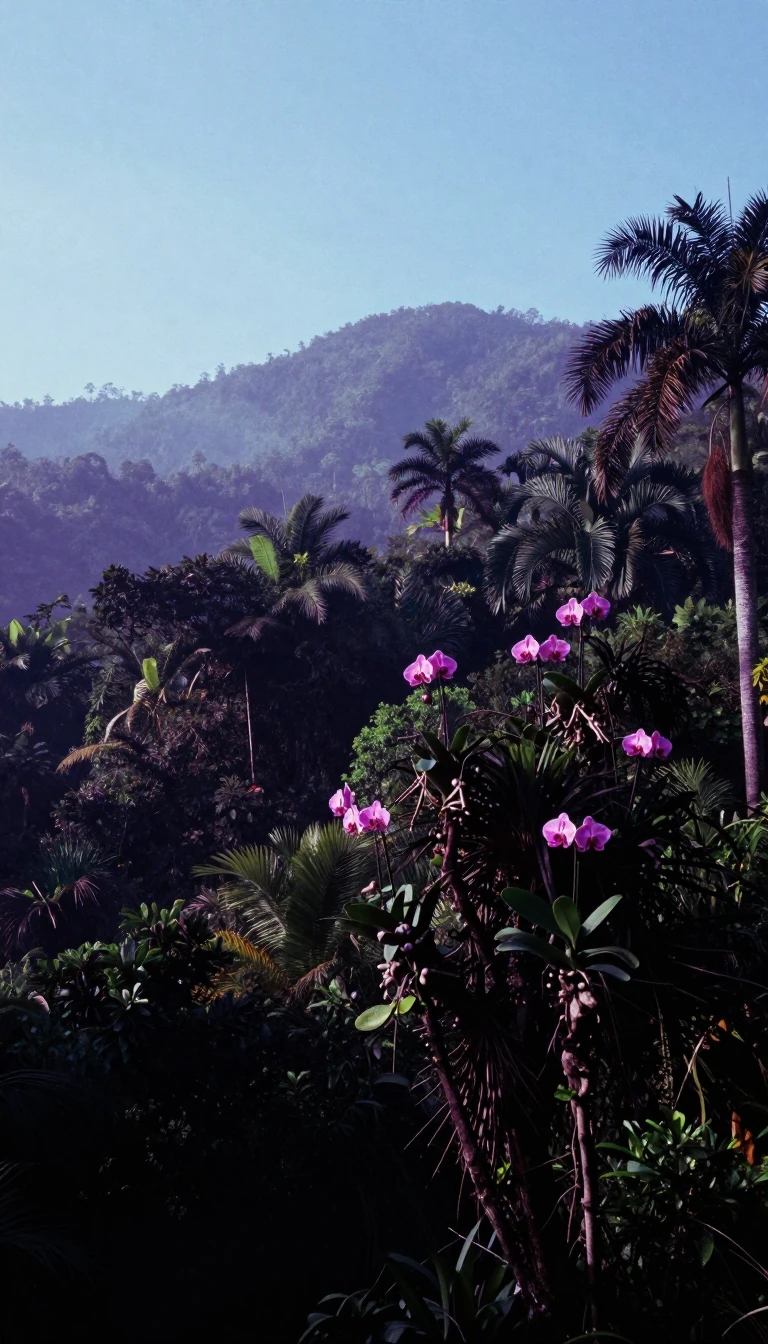
In short: La Amistad International Park is the largest nature reserve in Central America, spanning 401,000 hectares of rugged, high-altitude terrain. Shared between Costa Rica and Panama, this UNESCO World Heritage site remains largely unexplored, harboring a staggering array of biodiversity, including species found nowhere else on Earth but within its borders.
Established following a 1983 UNESCO recommendation, La Amistad International Park represents a unique experiment in transboundary conservation. The park protects a significant portion of the Cordillera de Talamanca, including Cerro Chirripó, the highest peak in Costa Rica. Its landscape is geologically distinct for the region, featuring clear evidence of Quaternary glaciation. This complex topography, combined with long-term isolation, has fostered an extraordinary environment for speciation, resulting in a biological treasure trove that accounts for approximately 20% of the region's total species diversity.
The park is a sanctuary for an immense variety of life, including 10,000 types of flowering plants, 600 bird species, and five distinct types of big cats: jaguars, pumas, ocelots, margay, and jaguarundis. It serves as a critical refuge for endangered animals like the Central American tapir and the ornate spider monkey. Furthermore, the park is home to at least seven amphibian species, such as the Chiriquí fire salamander, that exist exclusively within its protected boundaries. Beyond its wildlife, the area supports human communities, including indigenous Naso, Bribri, and Ngöbe-Buglé populations who maintain traditional lifestyles within the park.
Due to the extreme difficulty of the terrain, much of the park remains a scientific frontier. Significant exploration only gained momentum in the late 2000s, notably through a 2006 project funded by the UK's Darwin Initiative. This three-year collaboration between the Natural History Museum in London, INBio, and the University of Panama involved seven multi-disciplinary expeditions. These efforts yielded over 25,000 biological collections and resulted in the discovery of dozens of species new to science, including 12 plants and 15 amphibians. This ongoing work highlights the park's vital role in the Mesoamerican Biological Corridor and its global importance for future bioregional planning.
Opens the Intellect+ feed with this card first. Swipe up for the next one.
Sources
- Summary by Intellect · source: La Amistad International Park
- Also: Wikidata — La Amistad International Park · CC0
To cite this card, link to https://intellectplus.co.uk/app/places-la-amistad-international-park.
How we source, check and correct cards: Editorial standards.
General information, not professional advice. Spotted an error? Flag the card or see corrections and complaints.
Intellect Plus is a visual educational discovery platform for exploring fascinating facts and ideas. Brain Food, Not Brain Rot. What is Intellect Plus?
Related
More in Parks, preserves, and World Heritage Sites · More in Countries & Cities · Latest · A–Z · All topics
