How a devastating 1839 cyclone birthed a modern industrial powerhouse on India's coast
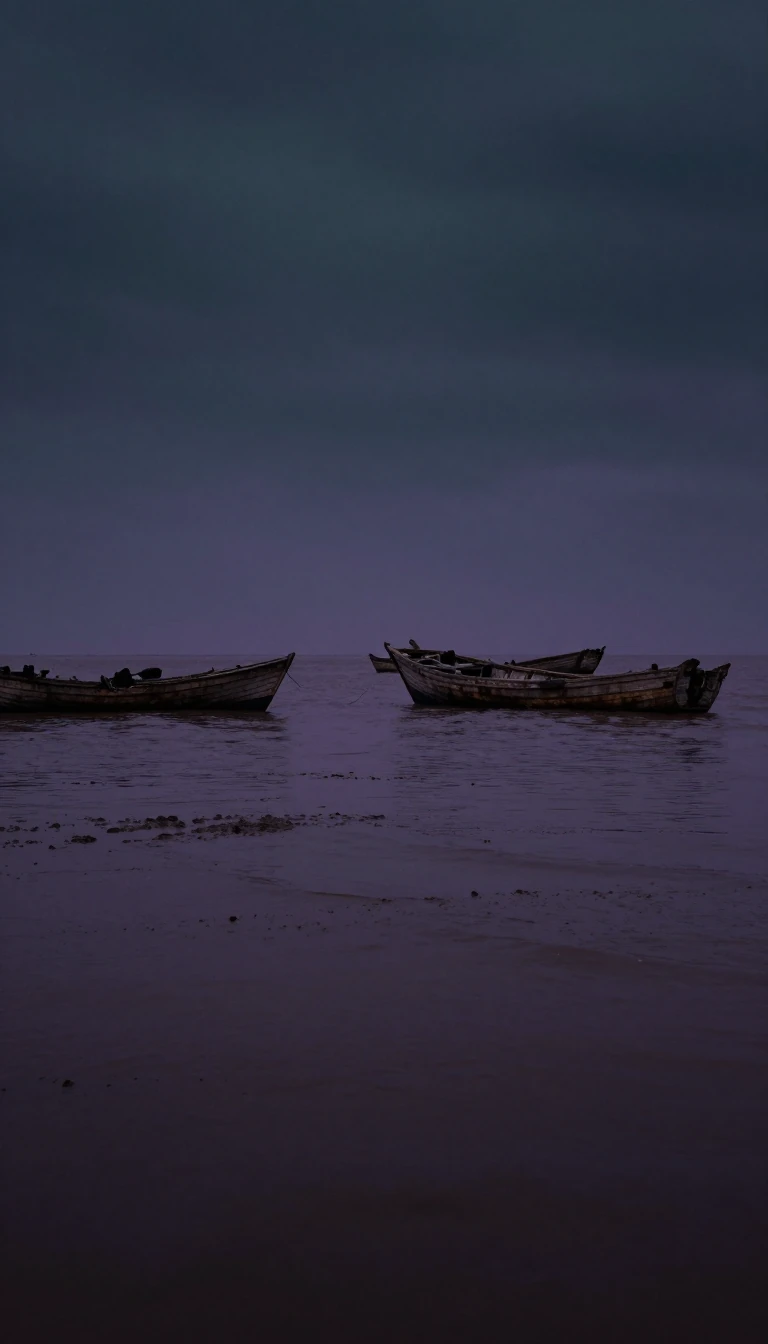
In short: Kakinada was not always a major economic hub. Its rise was triggered by the tragic decline of the nearby Coringa port, which was decimated by a massive 1839 cyclone. Today, this resilient city serves as a vital center for natural gas, fertilizer production, and international maritime trade in Andhra Pradesh.
For much of the 18th and early 19th centuries, the nearby port of Coringa was a bustling maritime center, home to a rare wet dock capable of servicing large vessels. However, the region's geography made it highly vulnerable to the Bay of Bengal's volatile weather. The most catastrophic event occurred on 25 November 1839, when a cyclone—a term later popularized by Henry Piddington—brought a 40-foot storm surge that destroyed the port and claimed over 300,000 lives. This disaster effectively ended Coringa's prominence, as the harbor silted up and became inaccessible to large ships by the early 20th century.
As Coringa faded, Kakinada—then known as Cocanada—stepped into the void. Its strategic location was bolstered by the natural protection of Hope Island, which acts as a barrier against cyclones and tsunamis. The city's growth accelerated during the mid-19th century, particularly during the American Civil War (1861–1865), when it became a critical hub for cotton exports. By 1891, it had become the most populous city in the Andhra region, a title it held for decades. Its administrative importance was cemented in 1859 when it became the headquarters of the Godavari district.
In the modern era, Kakinada has transformed into a diversified industrial engine. It hosts the second-largest deep-water port in Andhra Pradesh, which was the first in India to be developed via a public-private partnership in 1996. The city's economy is now anchored by natural gas extraction, edible oil refining, and fertilizer production. Despite its industrial success, the city remains deeply connected to its roots, maintaining the Coringa Wildlife Sanctuary—home to India's second-largest mangrove forest—and continuing to serve as a key cultural and educational center in the region.
Opens the Intellect+ feed with this card first. Swipe up for the next one.
Sources
- Summary by Intellect · source: Kakinada
- Also: Wikidata — Kakinada · CC0
To cite this card, link to https://intellectplus.co.uk/app/places-kakinada.
How we source, check and correct cards: Editorial standards.
General information, not professional advice. Spotted an error? Flag the card or see corrections and complaints.
Intellect Plus is a visual educational discovery platform for exploring fascinating facts and ideas. Brain Food, Not Brain Rot. What is Intellect Plus?
Related
More in Asia · More in Countries & Cities · Latest · A–Z · All topics
