Kava is a Pacific tradition that offers relaxation without the typical cognitive impairment of alcohol.
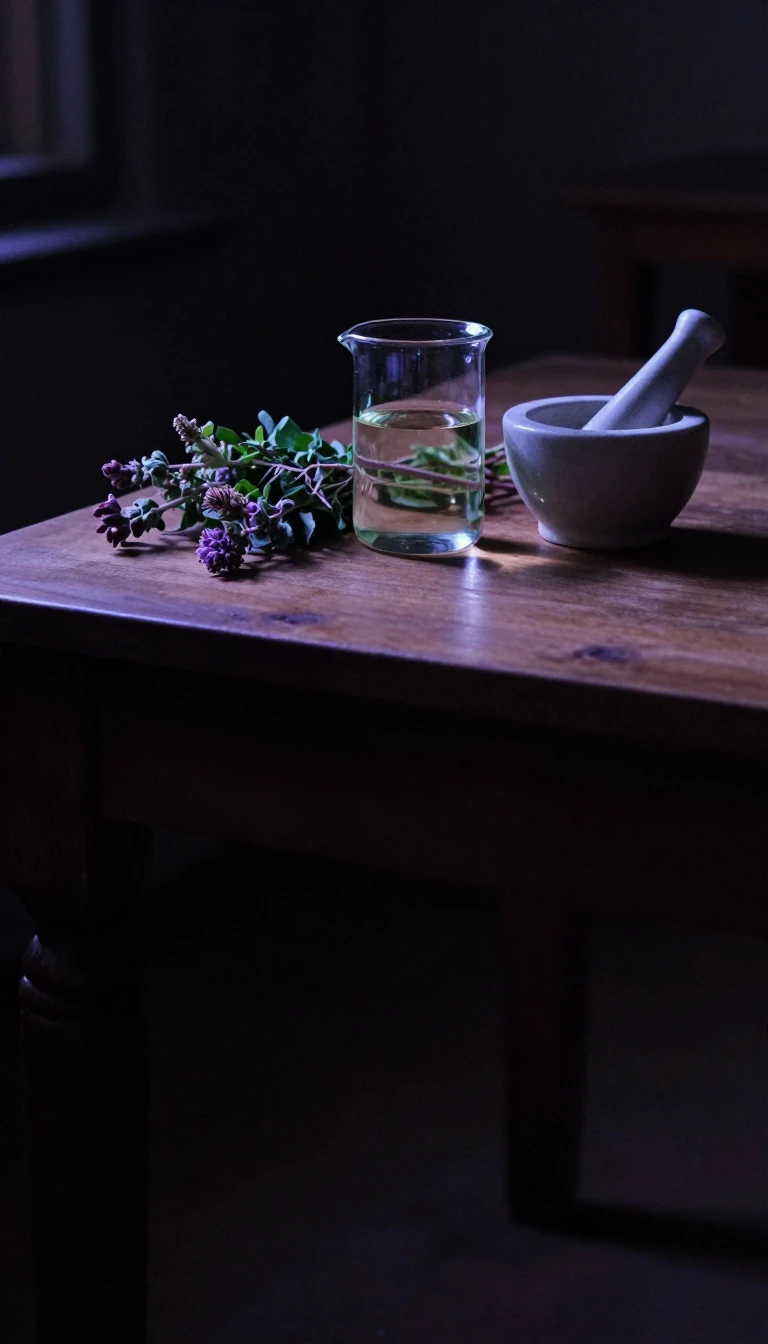
In short: Native to the Pacific Islands, kava is a psychoactive beverage derived from the Piper methysticum plant. Traditionally consumed in communal ceremonies, it is prized for its calming effects. While it shares some similarities with alcohol, it avoids the significant cognitive impairment and addiction risks often associated with conventional intoxicating drinks.
Domesticated around 3,000 years ago in northern Vanuatu, kava is a sterile cultivar propagated from the wild ancestor Piper wichmanii. Its name, derived from Tongan and Marquesan, translates to bitter. The plant spread across Polynesia, Micronesia, and Melanesia via the Austronesian Lapita culture, though it failed to survive in the colder climate of New Zealand. In those regions, Māori settlers instead adopted the native kawakawa tree, naming it after the kava they could not grow.
The beverage's pharmacological potency stems from six primary kavalactones, including kavain and methysticin, which modulate receptors like GABAA and dopamine. While these compounds effectively reduce situational anxiety, evidence for treating generalized anxiety disorder remains weak. Traditional preparation involves grinding fresh or dried roots and straining the mixture with water or coconut milk. This aqueous method is considered safe by the World Health Organization, which distinguishes it from modern industrial extracts.
Safety concerns emerged in 2002 when some countries restricted kava due to potential liver injury. Health authorities now suggest these risks are linked to the use of organic solvents or low-quality, non-noble cultivars. Noble kava, the standard for traditional consumption, is harvested after at least four to five years to ensure peak kavalactone content. In contrast, non-noble tudei varieties—which mature in just one year—contain undesirable compounds like flavokavains and are now prohibited from export in nations like Vanuatu to protect the plant's reputation and consumer health.
Opens the Intellect+ feed with this card first. Swipe up for the next one.
Sources
- Summary by Intellect · source: Kava
- Also: Wikidata — Kava · CC0
- Also: Wikidata — Piper methysticum · CC0
To cite this card, link to https://intellectplus.co.uk/app/places-kava.
How we source, check and correct cards: Editorial standards.
General information, not professional advice. Spotted an error? Flag the card or see corrections and complaints.
Intellect Plus is a visual educational discovery platform for exploring fascinating facts and ideas. Brain Food, Not Brain Rot. What is Intellect Plus?
Related
More in Countries and other regions · More in Countries & Cities · Latest · A–Z · All topics
