A remote Cambodian jungle once served as the short-lived capital of the Khmer Empire.
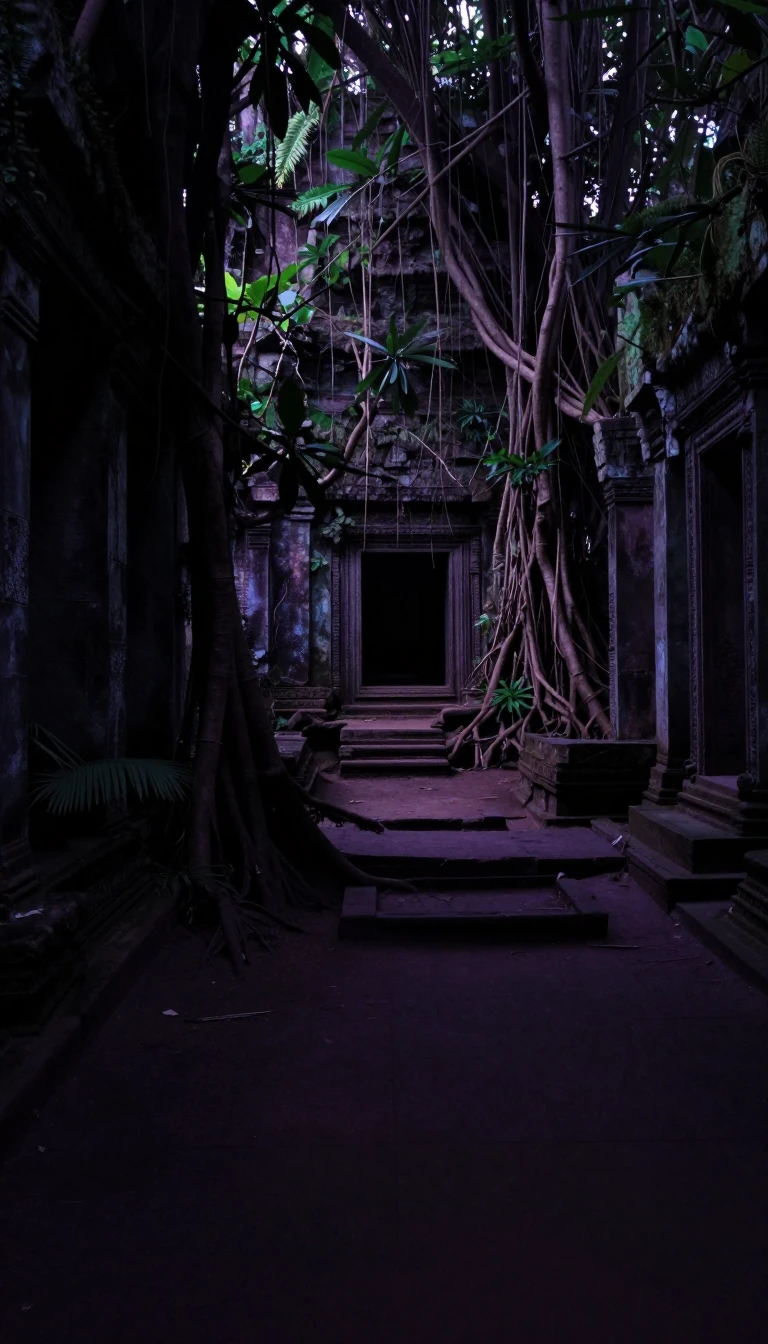
In short: Hidden deep in northern Cambodia, Koh Ker was the ambitious seat of power for King Jayavarman IV between 928 and 944 AD. While now a quiet archaeological site, this jungle-filled region once hosted a massive city, a unique seven-tiered pyramid, and a complex network of strategic roads and water-tanks.
Koh Ker, known in ancient inscriptions as Lingapura or Chok Gargyar, represents a distinct chapter in Khmer history. Unlike the traditional power centers of Angkor or Roluos, Koh Ker was established as the capital by Jayavarman IV during his reign from 928 to 941 AD. Historians debate his rise to power; while some suggest he was a usurper, others argue he was a legitimate ruler who ascended through his marriage to a half-sister of King Yasovarman I. His brief tenure was defined by an extraordinary building program, fueled by a restrictive tax system that organized labor from across the empire to construct about 40 temples and an enormous water-tank known as the Rahal.
The site is most famous for the Prang, a 36-metre-high seven-tiered pyramid that likely served as the state temple. This structure, along with the double sanctuary of Prasat Thom, demonstrates a linear architectural plan that contrasts with the concentric designs typical of other Khmer kings. The city’s strategic importance was further bolstered by a major road connecting it to Preah Vihear, Phimai in Thailand, and Wat Phu in Laos. Despite its historical significance, the city’s status as capital ended after the death of Jayavarman IV and the short three-year reign of his son, Harshavarman II, when the seat of power returned to the plains north of the Tonle Sap lake.
Today, Koh Ker is recognized as a UNESCO World Heritage site, though it remains a landscape of lost treasures. Because of its remote location, the site suffered extensive looting throughout the 19th and 20th centuries, with many masterpieces now residing in private collections or international museums. Recent archaeological efforts, including satellite analysis and excavations, have revealed that the site’s history extends far beyond the 10th-century construction boom, with evidence of habitation dating back to the 7th-8th centuries. While the wooden palaces of the Khmer era have vanished, the enduring laterite and brick structures continue to offer insights into a sophisticated society linked to long-distance value chains for over a millennium.
Opens the Intellect+ feed with this card first. Swipe up for the next one.
Sources
- Summary by Intellect · source: Koh Ker
- Also: Wikidata — Koh Ker · CC0
To cite this card, link to https://intellectplus.co.uk/app/places-koh-ker.
How we source, check and correct cards: Editorial standards.
General information, not professional advice. Spotted an error? Flag the card or see corrections and complaints.
Intellect Plus is a visual educational discovery platform for exploring fascinating facts and ideas. Brain Food, Not Brain Rot. What is Intellect Plus?
Related
More in World Heritage Sites · More in Countries & Cities · Latest · A–Z · All topics
