Is this Bronze Age mountain summit a sophisticated ancient observatory or just random rocks?
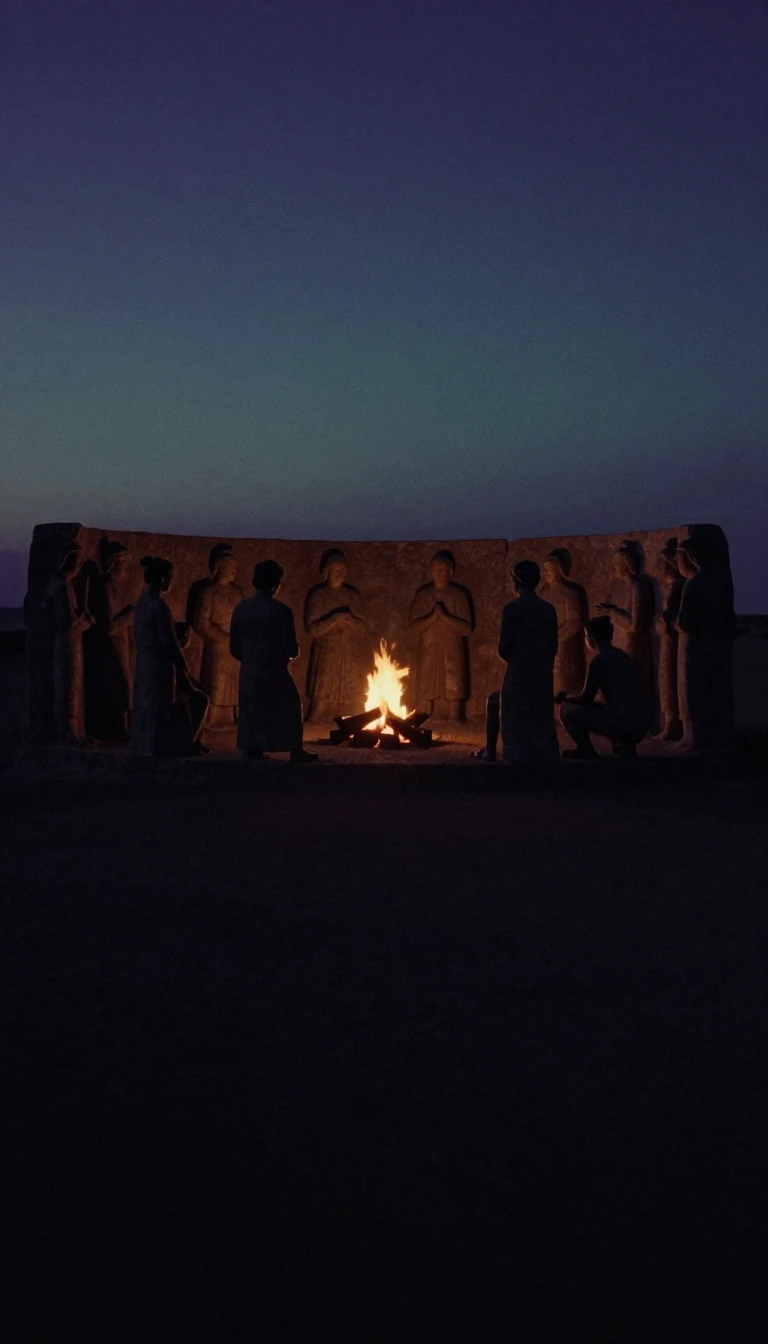
In short: Perched high in North Macedonia, the Kokino archaeological site is a puzzle of stone thrones and mysterious markers. While some researchers claim it served as a precise megalithic observatory for tracking the heavens, others remain skeptical, suggesting the supposed astronomical alignments could simply be the result of pure coincidence.
Discovered in 2001 by archaeologist Jovica Stankovski, Kokino sits between 1010 and 1030 meters above sea level on the Tatićev Kamen summit. The site, which spans about 30 hectares in its entirety, shows evidence of human occupation dating back to the 19th century BC. Excavations have revealed ceramic vessels, stone-mills, and various tools, with the most significant findings originating from the Middle Bronze Age, roughly the 16th to 14th centuries BC. The presence of vessels containing offerings tucked into rock crevices has led many to interpret the location as a sacred mountain.
The controversy centers on a specific 5000-square-meter area dubbed the megalithic observatory. In 2002, Stankovski and Gjore Cenev proposed that the site’s unique stone markers and four distinct stone thrones were intentionally designed to track the Sun and Moon. According to this theory, the arrangement allowed for stationary observations of solstices and equinoxes. Cenev specifically argued that a marked stone block on the upper platform aligns with the summer solstice sunrise when viewed from one of the lower thrones. This interpretation gained enough traction that the site was nominated for UNESCO World Heritage status in 2011.
However, the scientific community has not reached a consensus. While NASA briefly mentioned the site in a 2005 educational poster, recent surveys have labeled Kokino a particularly problematic case. The UNESCO nomination was ultimately rejected, with experts noting that the abundance of potential markers and observation points makes it statistically likely that any perceived astronomical alignment is merely a product of chance rather than intentional design. Despite this, the site remains a protected cultural property in North Macedonia, serving as a fascinating intersection of archaeology, ancient ritual, and the enduring human desire to find order in the stars.
Opens the Intellect+ feed with this card first. Swipe up for the next one.
Sources
- Summary by Intellect · source: Kokino
- Also: Wikidata — Kokino · CC0
- Also: Wikidata — Kokino · CC0
To cite this card, link to https://intellectplus.co.uk/app/places-kokino.
How we source, check and correct cards: Editorial standards.
General information, not professional advice. Spotted an error? Flag the card or see corrections and complaints.
Intellect Plus is a visual educational discovery platform for exploring fascinating facts and ideas. Brain Food, Not Brain Rot. What is Intellect Plus?
Related
More in World Heritage Sites · More in Countries & Cities · Latest · A–Z · All topics
